


The End of Influencer Immunity
Remember when a celebrity or a mega-influencer holding a product was an instant seal of approval? That era is rapidly closing. After years of watching influencers promote everything from questionable diet supplements to waist trainers with zero scientific
backing, the public has developed a healthy dose of hype-fatigue. The curated perfection of wellness influencing, once aspirational, now often feels inauthentic and out of touch. Consumers are getting better at spotting sponsored posts disguised as genuine advice and are increasingly turning to credentialed experts—dietitians, physical therapists, and certified trainers—who offer nuance instead of miracles. The filter is cracking, and we’re starting to prefer the reality behind it.
Unfollowing the 'Quick Fix'
At the forefront of the decline are trends that promise dramatic results with minimal effort or a magic pill. Think of the ubiquitous “detox teas” that were unavoidable on Instagram just a few years ago. Widespread reporting and backlash from medical professionals revealed them to be little more than aggressive laxatives, offering temporary water weight loss at the cost of your digestive health. Similarly, the waist trainer craze, which promised an hourglass figure by simply squeezing your midsection, has been largely debunked by experts who point out it does nothing to change body composition and can even restrict breathing and organ function. People are realizing that sustainable health isn’t found in a tea bag or a corset; it's built through consistent, sensible habits. The demand for an overnight transformation is being replaced by the desire for lasting well-being.
Beyond 'Go Hard or Go Home'
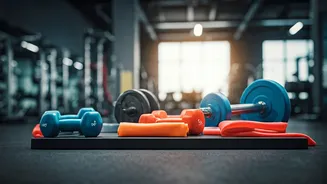
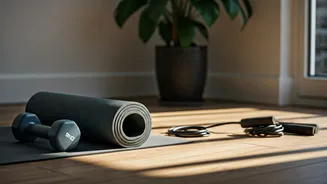
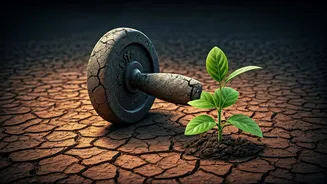
It wasn't just products; it was an entire mindset. The fitness culture of the 2010s was dominated by a “no pain, no gain” philosophy. Brutal, high-intensity-only workout regimens were promoted as the sole path to fitness, creating a culture of burnout and injury. If you weren’t drenched in sweat and unable to walk after every session, were you even trying? This all-or-nothing approach is proving unsustainable. People are now embracing a more balanced view of movement. The concept of “slow fitness,” which prioritizes form, consistency, and listening to your body, is gaining traction. Activities like walking, stretching, and moderate strength training are being recognized not as lazy alternatives, but as foundational pillars of a healthy life. The new goal isn’t to destroy your body in the gym, but to build a body that can carry you happily through life.
The Rise of Real and Reasonable
So, what’s filling the void left by these fading fads? Authenticity and science. The new stars of the online fitness world are often physical therapists who explain the mechanics of pain, or registered dietitians who break down the science of nutrition without banning entire food groups. They build trust by admitting what they don’t know and emphasizing that there’s no one-size-fits-all solution. This shift reflects a broader cultural desire for genuine connection and reliable information. Instead of chasing impossible aesthetic goals marketed by celebrities, people are learning to appreciate their bodies for what they can do. They're finding joy in movement, eating to feel good, and prioritizing mental health alongside physical strength. The shine isn’t just coming off fake trends; it’s being redirected toward something much more real.