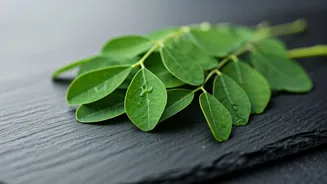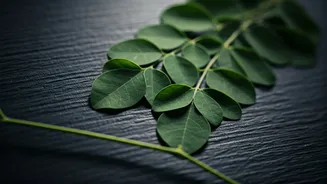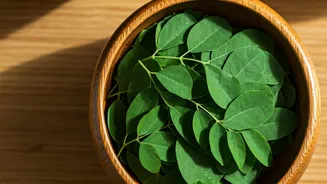



First Off, What Is Moringa?
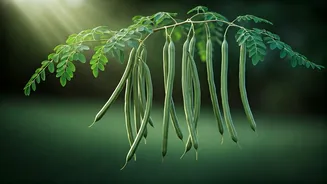
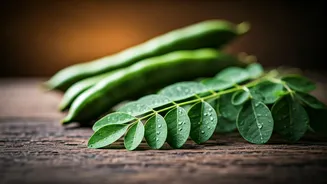
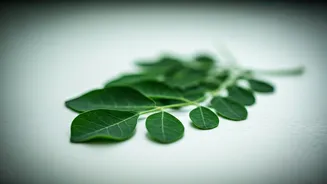
Before you see it trending on TikTok or blended into a $12 smoothie, let’s get acquainted. Moringa oleifera is a fast-growing, drought-resistant tree native to the Indian subcontinent. It’s often called the 'drumstick tree' for its long, slender seed
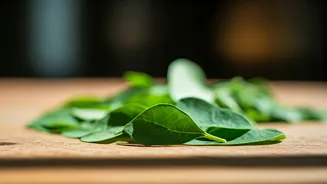
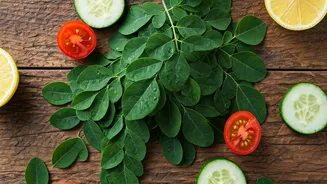
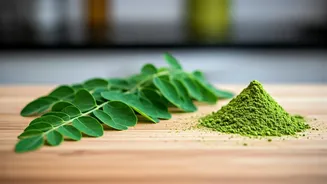
pods, or the 'miracle tree' because nearly every part of it is useful—from the leaves and flowers to the pods and seeds. While it’s the powdered, emerald-green leaves that are currently capturing the American wellness imagination, the plant has been a versatile culinary workhorse in South Asia, Africa, and Southeast Asia for centuries. The leaves have a mild, slightly earthy flavor, often compared to spinach or matcha but without the bitterness, making them incredibly easy to incorporate into a wide variety of dishes.
A Long History in Desi Culture
For millions in the South Asian diaspora, moringa isn't a new discovery; it’s a taste of home. In many Desi households, the 'drumsticks' (pods) are a key ingredient in flavorful lentil stews like sambar, and the leaves are frequently stir-fried with garlic and spices for a simple, nourishing side dish called 'murungai keerai poriyal' in Tamil Nadu. Beyond the kitchen, moringa holds a significant place in Ayurveda, the ancient Indian system of medicine, where it's valued for its purported balancing and restorative properties. This deep cultural rooting is what separates moringa from other wellness fads. It’s not an ingredient 'discovered' by the West, but a cherished staple whose time in the global spotlight has finally come, bringing with it a rich history of community, family meals, and traditional wisdom.
So, Is It a 'Supergreen'?
The term 'superfood' or 'supergreen' is more of a marketing concept than a scientific one, but moringa’s nutritional profile is genuinely impressive. The leaves are packed with vitamins and minerals. Scientific studies have shown that, gram for gram, moringa leaves are a potent source of Vitamin C, Vitamin A, calcium, potassium, and iron. They are also rich in antioxidants, compounds that help fight oxidative stress in the body. Furthermore, moringa is a source of complete plant-based protein, containing all nine essential amino acids. While no single food is a silver bullet for health, moringa's density of essential nutrients makes it a powerful addition to a balanced diet. The key is to see it not as a cure-all, but as a highly efficient way to boost your intake of vital nutrients.
Why Now? The Journey to Mainstream
So why is moringa having its 'moment' right now? It's a perfect storm of factors. First, the American wellness industry is constantly searching for the 'next kale,' and moringa’s impressive nutritional stats and compelling backstory make it a prime candidate. Second, there's a growing appreciation for global cuisines and ingredients, driven by chefs, food bloggers, and second-generation Americans proudly sharing their culinary heritage. As South Asian culture becomes more visible in the U.S., its foundational foods are coming along for the ride. Finally, social media acts as an accelerant. A beautiful green latte or a vibrant smoothie bowl featuring moringa powder is visually appealing and easily shareable, helping the ingredient move from niche health food stores to the national consciousness almost overnight.
How to Bring Moringa Home
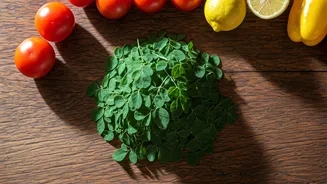
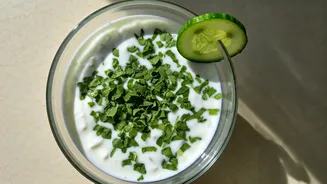
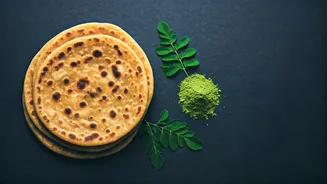
Ready to give it a try? The most accessible form for most Americans is moringa powder, which you can now find in the wellness aisle of major grocers or online. Its mild flavor makes it a seamless addition to your morning routine. Start with half a teaspoon and work your way up to a full teaspoon. Blend it into smoothies, whisk it into yogurt or oatmeal, or stir it into soups and sauces for a discreet nutritional boost. For a caffeine-free pick-me-up, whisk the powder with hot water and a splash of oat milk for a moringa latte. If you live near a South Asian or international grocery store, you may be able to find fresh or frozen moringa leaves to use in stir-fries, curries, and lentil dishes, allowing you to experience the ingredient in its most traditional form.