




More A-Frame, Less Austere
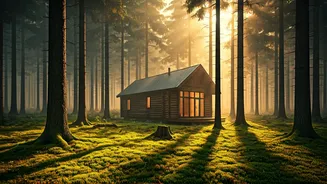
The classic image of a forest cabin often involves rough-hewn logs, drafty windows, and a level of rustic that borders on uncomfortable. But the getaways attracting a younger crowd look like they’ve been pulled from a design magazine. We’re talking about
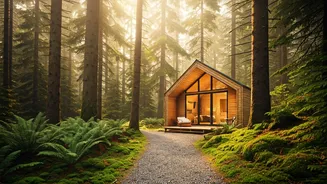
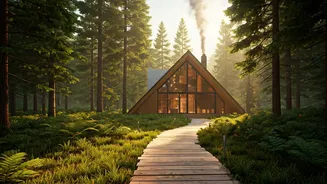
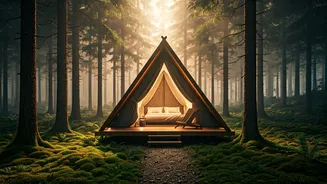
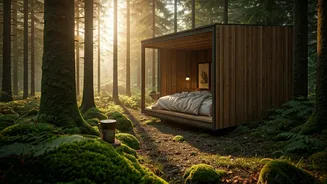
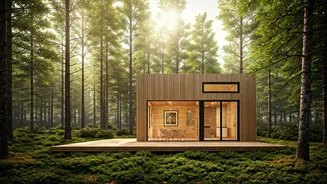
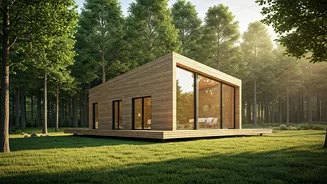
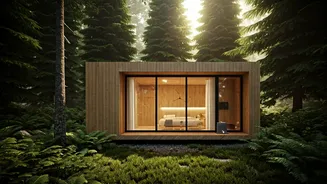
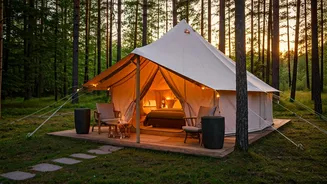
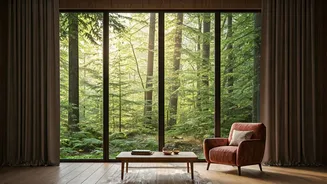
architecturally striking A-frames, minimalist tiny homes with massive picture windows, and glamping yurts outfitted with queen beds and Pendleton blankets. Companies like Getaway, known for its uniform tiny cabins outside major cities, and booking platforms like Hipcamp and Airbnb have seen a surge in demand for unique, aesthetically pleasing properties. The appeal isn't just shelter; it's an immersive experience. For a generation raised on visual platforms, the space itself is part of the destination. It’s not about 'roughing it'—it’s about surrounding yourself with intentional design that feels both grounding and aspirational.
The Wi-Fi in the Woods Paradox
A key selling point of a forest escape has always been the chance to 'unplug.' While Gen Z certainly craves a break from the relentless pings of social media and work emails, their definition of unplugging is more nuanced. It’s less about a total digital blackout and more about intentional connectivity. Many of these modern cabins come equipped with Wi-Fi, and that’s not a deal-breaker; it’s a feature. For a generation fluent in remote work and the creator economy, a Wi-Fi connection might mean the ability to take a long weekend without using up precious PTO. It also allows for curating the experience in real-time—finding a nearby hiking trail, creating a shared playlist for the evening, or, yes, posting a perfectly composed photo of their morning coffee overlooking the trees. It's a paradox: they use technology to facilitate their escape from technology, filtering out the noise while keeping the tools they find useful or joyful.
Driven by the 'Cabin Core' Aesthetic
You can’t talk about any Gen Z trend without talking about TikTok. The rise of the forest stay is inextricably linked to the 'cabin core' and 'cottagecore' aesthetics that have flourished online. These digital movements romanticize a slower, more deliberate way of life, filled with cozy sweaters, handmade bread, and tranquil natural settings. A weekend in a stylish cabin is the ultimate way to live out that fantasy. The photogenic nature of these locations is a powerful draw. Every corner is an opportunity for content: the steaming mug held against a foggy forest backdrop, the crackling fireplace, the artfully messy bed. While some might dismiss this as performative, it’s also a form of digital scrapbooking and sharing an experience that feels genuinely restorative. The online aesthetic inspires the real-world trip, and the trip, in turn, provides the content that fuels the aesthetic.
An Antidote to Burnout Culture
More than anything, the turn toward nature is a direct response to modern burnout. For a generation facing economic precarity, climate anxiety, and the pressures of an always-on work culture, the forest offers a potent form of accessible wellness. A two-night stay in a cabin, often split among friends, can be more affordable and less logistically daunting than a week-long vacation or a flight to a far-flung resort. It provides a tangible break—a forced slowdown where the day’s main activities might be reading a book, going for a walk, and cooking a meal with friends. Many of these properties also lean into sustainable practices, appealing to Gen Z’s environmental consciousness. It’s a vacation that feels restorative rather than excessive, offering a quiet, simple, and badly needed reset from the demands of daily life.