



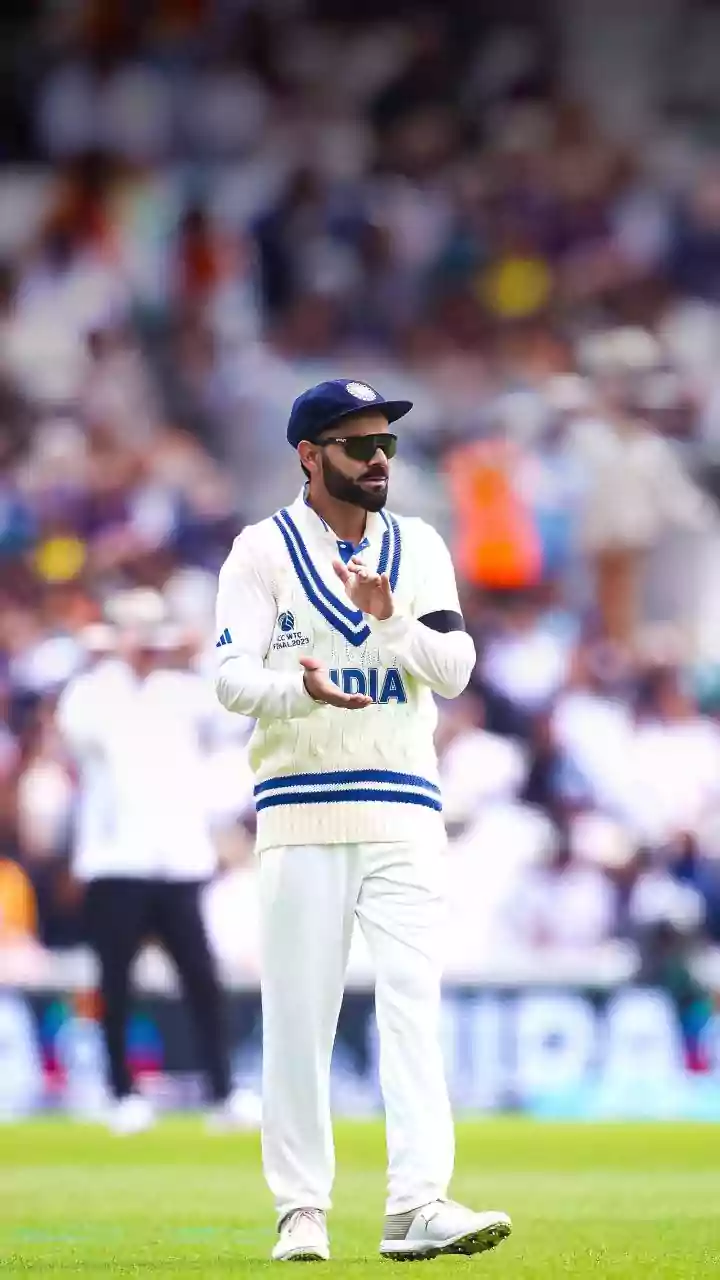

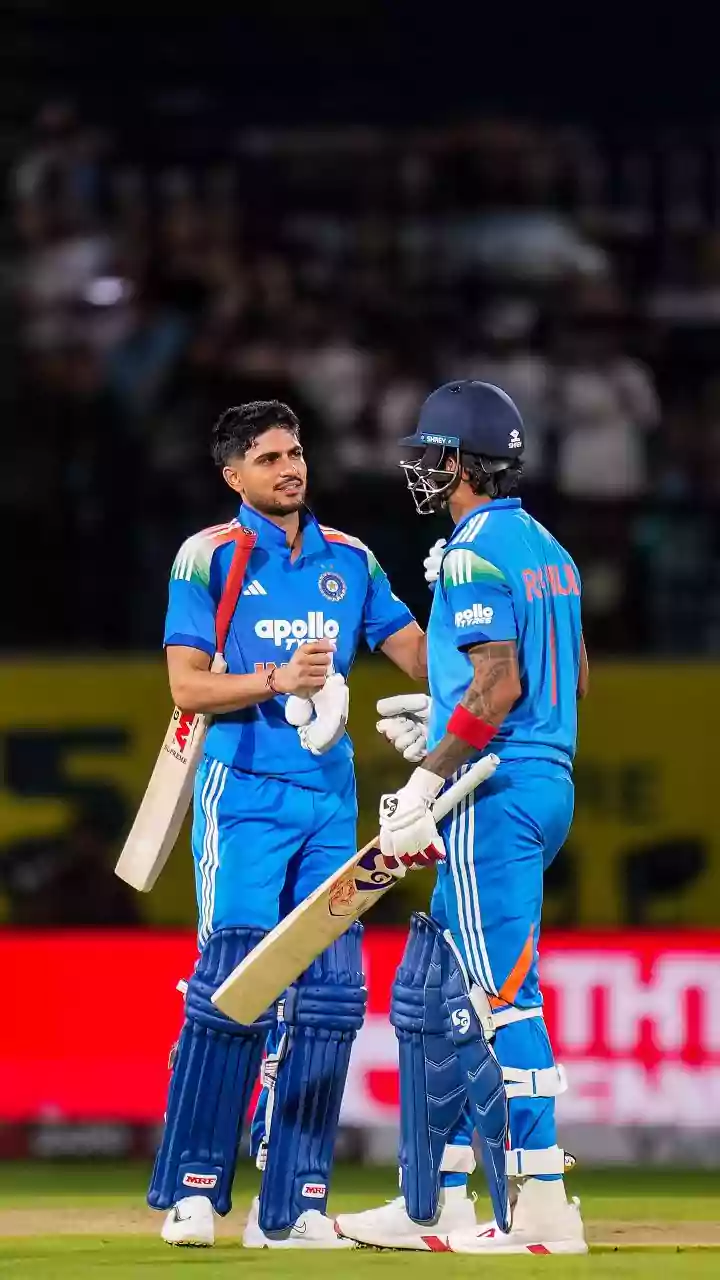





Sachin Tendulkar: The Boy God
Imagine a 16-year-old stepping into the batter’s box against the equivalent of a team full of Randy Johnsons and Nolan Ryans, all of them bowling at 95 mph. That was Sachin Tendulkar in 1989. Making his debut for India against their fiercest rivals, Pakistan,
the baby-faced teenager faced a barrage of hostile bowling. In one famous moment, he was struck in the face by a bouncer, leaving him bloodied. Medical staff rushed out, but the 16-year-old waved them away, dusted himself off, and proceeded to hit the next ball for a boundary. In that moment, a legend was born. Tendulkar wasn't just a prodigy; he was a phenomenon who shouldered the hopes of a billion people for over two decades. He went on to score the most runs and the most centuries (100 runs in a single innings, a huge milestone) in international cricket history. For many, he's not just the greatest batsman ever; he's the 'God of Cricket.'
Shahid Afridi: Mr. Boom Boom
If Tendulkar was a master technician, Pakistan’s Shahid Afridi was pure, unadulterated chaos—in the best way possible. In 1996, in his very first international innings, the 16-year-old (his age is a legendary point of contention, but that was the official record) stepped up to bat and fundamentally changed the game. He smashed a century in just 37 balls, a world record that stood for nearly 18 years. To put that in perspective, it was like a rookie baseball player hitting three home runs in his first-ever game. Before Afridi, scoring was often a strategic, patient affair. He showed the world a different way, based on brute force and fearlessness. Nicknamed 'Boom Boom' for his explosive hitting, Afridi's approach became the blueprint for the modern, hyper-aggressive style of batting you see in cricket’s shorter formats, like T20, making him one of the most influential and exciting players of his generation.
Naseem Shah: The Modern Pace Phenom
Fast bowling in cricket is a brutal art form, requiring physical maturity and mental toughness. Most elite fast bowlers peak in their mid-to-late 20s. Then came Naseem Shah. In 2019, he made his debut for Pakistan in a Test match (the five-day version of the game) at just 16 years old. He wasn't just filling a spot; he was genuinely terrifying, bowling at speeds consistently over 90 mph. His story is layered with tragedy; his mother passed away the night before his debut, and he chose to stay with the team and play. Just a few months later, at 16 years and 359 days old, he became the youngest bowler in history to take a hat-trick (getting three batters out on three consecutive deliveries). Shah represents the modern cricket prodigy: scouted early, physically conditioned for the rigors of the pro game, and immediately thrown into the fire, where he has thrived.
Mohammad Ashraful: The Instant Giant-Killer
For some young players, 'taking the storm' means doing something so audacious on your very first day that the world has no choice but to notice. For Mohammad Ashraful of Bangladesh, that day came in 2001. At just 17 years and 61 days old, he became the youngest player in history to score a century in a Test match on his debut. This wasn't just a personal achievement; it was a statement for his entire nation. At the time, Bangladesh was considered a minnow in world cricket, routinely beaten by established powers. For a teenager to score a masterful hundred against a strong Sri Lankan team was a seismic event. Though his career later became mired in controversy, his debut remains one of the most stunning 'hello, world' moments in sports, proving that explosive talent can emerge from anywhere and instantly challenge the old guard.