

Why Green, Why Now?
For the better part of a decade, the aspirational kitchen was a study in minimalism—gleaming white surfaces, stainless steel, and a palette that screamed ‘clean and simple.’ But design, like all things, is cyclical. Homeowners and designers are now collectively
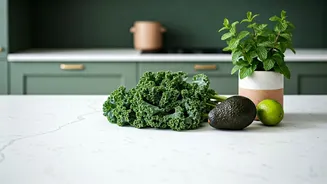
craving warmth, personality, and a deeper connection to the natural world. Green delivers on all fronts. Psychologically, it’s the color of tranquility, balance, and growth. In a post-pandemic world where our homes have become our sanctuaries, infusing the heart of the home with a color that feels both grounding and rejuvenating makes perfect sense. It’s a sophisticated rebellion against sterility, a choice that feels both timeless and deeply personal.
Find Your Shade of Serenity
The beauty of the green kitchen trend is its remarkable range. This isn’t about one specific hue; it’s about an entire family of colors, each with its own distinct personality. * **Sage Green:** This is the gateway green. Soft, muted, and gray-toned, sage acts as a sophisticated neutral. It pairs beautifully with brass hardware, butcher block counters, and creamy whites, creating a look that is calming, airy, and effortlessly chic. * **Forest Green:** For those seeking drama and depth, forest green is the answer. This deep, saturated hue makes a confident statement on cabinetry, especially in larger kitchens with ample natural light. It evokes a sense of heritage and luxury, pairing stunningly with marble countertops and black matte fixtures. * **Olive Green:** Earthy, warm, and slightly retro, olive green brings a cozy, Mediterranean feel. It has a wonderful ability to feel both organic and sophisticated, working well in traditional and modern spaces alike. It’s particularly effective when paired with natural wood tones and terracotta accents. * **Mint & Pistachio:** At the lighter, more playful end of the spectrum, these pale greens offer a fresh, energetic vibe. They are perfect for adding a pop of color in smaller doses, like on a kitchen island, a backsplash, or as a fun, vintage-inspired accent.
Start Small: The Low-Commitment Approach
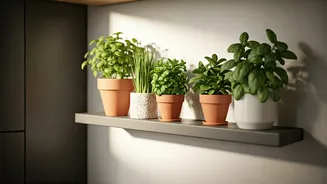
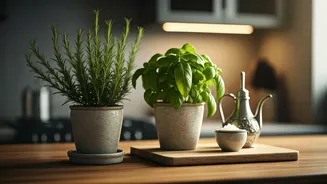
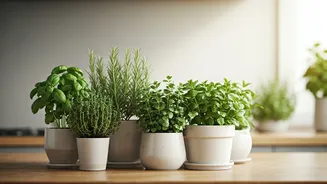
The phrase “one counter at a time” captures the spirit of this trend perfectly. You don’t need a full-scale renovation to participate. In fact, some of the most successful green kitchens use the color as a powerful accent. Consider painting just your kitchen island a deep forest or olive green. It instantly becomes the room's focal point without overwhelming the space. Another popular strategy is a green tile backsplash, whether it’s glossy subway tiles or handmade zellige tiles that offer beautiful, subtle variations in color. Even smaller touches can make a big impact: think green bar stools, a Roman shade in a leafy print, a collection of fresh herbs on the windowsill, or simply a beautiful ceramic bowl filled with green apples on the counter.
Go All In: The Full Immersion
If you’re ready to fully commit, a full suite of green cabinets is a breathtaking choice that has surprising longevity. Unlike fleeting trend colors, a well-chosen green can feel classic for decades. The key is balance. If you opt for dark green cabinets, keep the countertops and backsplash light and bright to prevent the room from feeling heavy. Conversely, if you choose a softer sage, you can afford to be more adventurous with a veined quartzite or soapstone countertop. Don’t forget the power of hardware. Brass and gold tones add warmth and a touch of glamour to green cabinets, while black or oil-rubbed bronze lends a more modern, industrial edge. The full green kitchen isn’t just a color choice; it’s a declaration of a warm, inviting, and highly personal home.