



What Exactly Is ‘Fibermaxxing’?
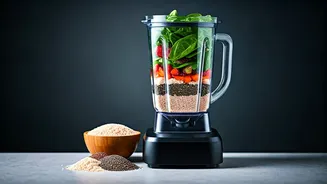
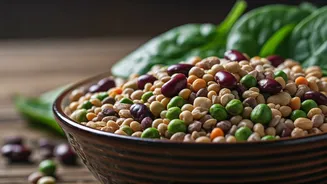
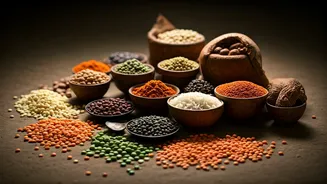
At its core, fibermaxxing is the practice of intentionally and dramatically increasing your daily fiber intake. On platforms like TikTok, users share their high-fiber meals, downing everything from psyllium husk-loaded smoothies to heaping bowls of lentils
and chia seeds. The goal is often to consume well over the recommended daily amount of fiber, with some aiming for 50, 60, or even more grams per day. This isn't just about adding an apple to your lunch; it's a concerted effort to maximize fiber consumption, often with the help of supplements, in pursuit of rapid and visible health benefits.
The Science Behind the Hype
The obsession isn’t entirely unfounded. Fiber is, unequivocally, a nutritional hero. It’s a type of carbohydrate the body can't digest, and it plays a critical role in our health. There are two main types: soluble fiber (found in oats, nuts, and beans), which dissolves in water to form a gel-like substance that can help lower cholesterol and stabilize blood sugar; and insoluble fiber (found in whole grains and vegetables), which adds bulk to stool and promotes regularity. Together, they act as a prebiotic, feeding the beneficial bacteria in your gut microbiome. A healthy gut microbiome is linked to everything from stronger immunity and better mood to, yes, clearer skin—the so-called 'gut-skin axis.'
The Promised ‘Glow-Up’ Benefits
Proponents of fibermaxxing are chasing a list of desirable outcomes. The most immediate is improved digestive regularity and reduced bloating (once your body adjusts). By promoting satiety, a high-fiber diet can also aid in weight management by helping you feel fuller for longer. The 'glow-up' part of the equation relates to the gut-skin connection; by reducing inflammation and supporting the body's detoxification processes, a healthy, fiber-rich diet can potentially lead to a clearer, more radiant complexion. Stable blood sugar levels also mean more consistent energy throughout the day, avoiding the dreaded afternoon slump. These benefits are real—but they're associated with a healthy, balanced fiber intake, not necessarily an extreme one.
The Unseen Risks of Going Too Far
This is where the trend gets risky. The U.S. dietary guidelines recommend about 25 grams of fiber per day for women and 38 for men. Most Americans get less than half that. While increasing your intake is a good thing, doing it too quickly or excessively—as fibermaxxing encourages—can backfire spectacularly. The most common side effects are severe gas, painful bloating, and abdominal cramping as your gut struggles to cope. Ironically, consuming too much fiber without enough water can lead to constipation, the very problem many are trying to solve. In more extreme cases, very high fiber intake can interfere with the absorption of essential minerals like calcium, iron, and zinc. It’s a classic case of too much of a good thing becoming a bad thing.
How to Boost Fiber the Smart Way
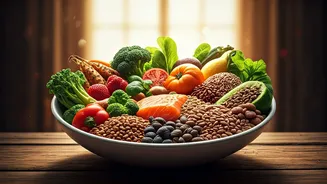
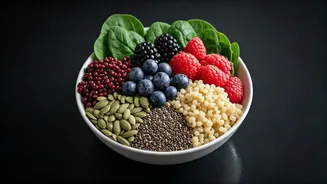
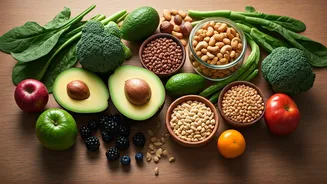
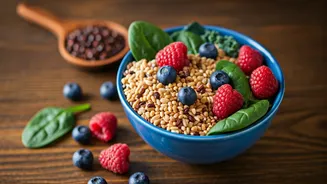
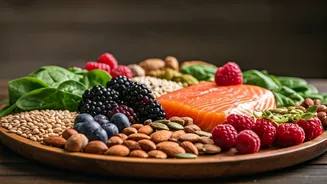
Instead of 'maxxing,' think 'optimizing.' A registered dietitian would advise a much more gradual and sustainable approach. If you’re currently getting 15 grams of fiber a day, don’t jump to 40 overnight. Aim to add just 3-5 extra grams per day each week. This gives your digestive system time to adapt. Critically, as you increase fiber, you must also increase your water intake. Fiber needs water to do its job properly. Focus on whole-food sources first: swap white bread for whole grain, add a handful of berries to your yogurt, incorporate beans or lentils into your meals, and snack on nuts or seeds. These foods provide fiber along with a host of other vitamins and minerals, which is a far healthier approach than relying solely on isolated fiber supplements.