






What Exactly Is a Smart Feeder?
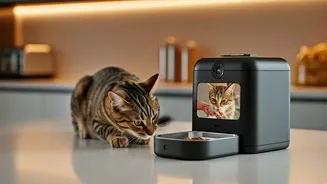
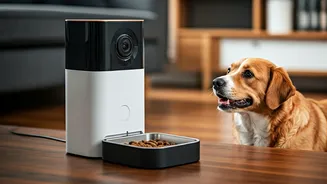
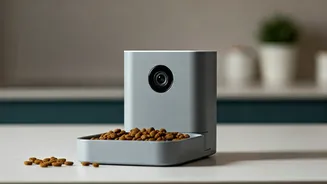
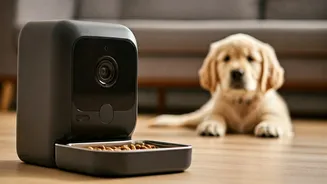
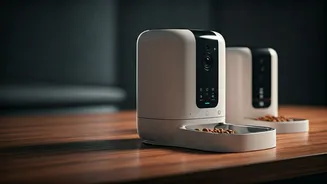
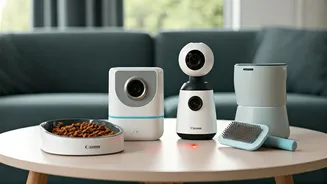
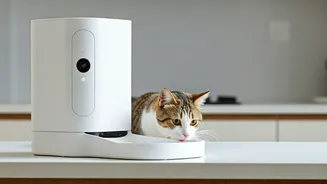
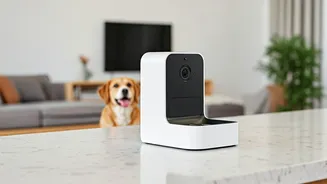
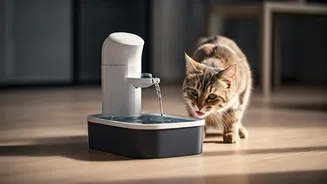
At its core, a smart camera pet feeder is a combination of two technologies: an automated food dispenser and a Wi-Fi-enabled camera. The device holds a supply of your pet’s dry food and, through a companion app on your smartphone, allows you to schedule
feedings or dispense a portion on demand. The integrated camera provides a live video stream, so you can check in on your cat or dog from your office, on vacation, or while stuck in traffic. Most models also include a microphone and speaker, enabling two-way audio. This isn't just about automation; it's about connection, giving you a digital window into your pet's world when you can't be there physically.
The Peace of Mind Factor
The primary benefit of these devices isn't just convenience—it's emotional reassurance. For pet owners with long workdays or unpredictable schedules, the ability to confirm that their pet has been fed on time is a huge relief. The camera adds another layer of comfort. You can see that your anxious dog isn't destroying the couch or that your shy cat has come out from under the bed. The two-way audio feature can be a game-changer. Hearing your voice can soothe a lonely animal, and you can even call them over to the feeder for a meal. For many, it transforms the experience of being away from a simple absence into an opportunity for remote interaction, reducing separation anxiety for both the pet and the owner.
Key Features to Consider
Not all smart feeders are created equal. When shopping for one, focus on a few critical features. First, camera quality matters. Look for a model with at least 1080p resolution and a wide-angle lens to get a clear view of the room, not just the food bowl. Night vision is also essential for checking in after dark. Second, consider the feeding mechanism and capacity. Ensure the dispenser is designed for your pet’s kibble size to prevent jams. The hopper size determines how long you can go between refills, so choose one that matches your needs—a large-breed dog will require a much larger reservoir than a single cat. Finally, evaluate the app. Is it intuitive? Does it allow for precise scheduling and portion control? A clunky, unreliable app can ruin the entire experience.
Potential Downsides and Realities
While impressive, these gadgets aren't flawless. Their biggest vulnerability is their reliance on a stable Wi-Fi connection. If your internet goes down, you lose all remote functionality—no camera, no on-demand feeding, and no status updates. While most feeders will still dispense pre-programmed meals using internal memory, the 'smart' features disappear. Another concern is the potential for mechanical failure. Food jams can and do happen, especially with oddly shaped kibble. It's wise to choose a model with alerts that notify you if a scheduled feeding fails. Lastly, there's the pet factor. A timid cat might be terrified of the noisy machine, while a clever dog might figure out how to break into the food reservoir. It's best to supervise your pet’s first few interactions with the device.
Is a Smart Feeder Right for You?
A smart camera feeder is an excellent tool for pet owners who work long hours, travel occasionally, or simply want more connection with their animal throughout the day. It’s particularly useful for pets on specific diets or strict feeding schedules, as it removes the risk of human error. However, it’s not a replacement for human interaction or a pet sitter for extended vacations. These devices are best used as a supplement to your care routine, not a substitute for it. Before investing, consider your pet’s personality, your home's Wi-Fi reliability, and your budget. For the right owner and the right pet, it can be a fantastic way to bridge the distance and ensure your furry friend is happy and well-fed.