






What Exactly Is a Food Rave?
The term “food rave” might conjure images of neon lights and electronic music, but the reality is a bit more delicious and a lot less structured. These aren't formally ticketed events. Instead, they are sprawling, often spontaneous gatherings in city
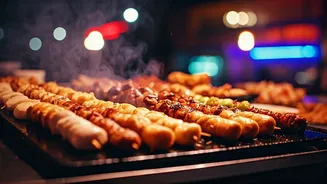
centers, public squares, or dedicated food districts. Think of them as a flash mob meets a food truck festival, supercharged by social media. Hundreds, sometimes thousands, of young people descend on an area, moving in a massive, hungry pack from one food stall to the next. The atmosphere is electric and chaotic—a symphony of sizzling pans, shouting vendors, and the constant chatter of friends deciding between spicy kebabs, cheesy dosas, or loaded-up momos. It’s a communal, nocturnal feast that prioritizes exploration and experience over a quiet, sit-down meal.
Fueled by Likes and Livestreams
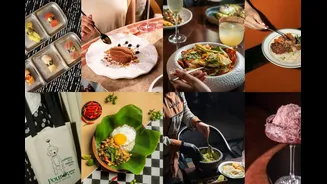
You can’t understand the food rave phenomenon without understanding its relationship with Instagram and YouTube. These events are often initiated, or at least massively amplified, by popular food bloggers and influencers. A single post from a creator with a million followers—announcing they’ll be trying the legendary chole bhature at a specific Delhi market at 10 p.m.—can trigger a massive turnout. The events are inherently photogenic. Vendors, savvy to the trend, create over-the-top dishes designed for the camera: think pizzas topped with butter chicken, freakshakes dripping with chocolate, or biryani served in bamboo. For attendees, documenting the experience is as important as tasting the food. The act of posting a story, going live, or capturing the perfect shot becomes part of the social currency of the night, proving you were part of the scene.
A Search for Authentic Connection
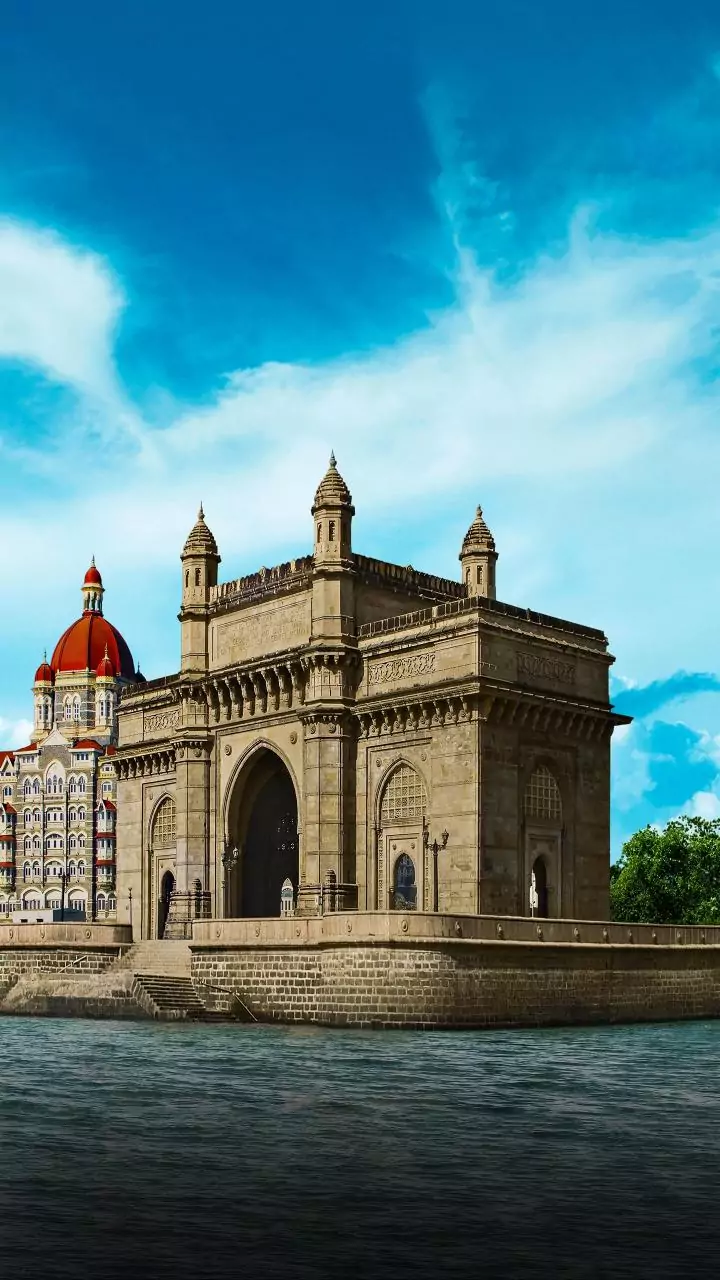
So why is this trend so enduringly popular? For many young Indians, especially those who have migrated to sprawling metropolises like Delhi, Mumbai, or Bengaluru for education or work, these gatherings serve a deep social need. They offer a relatively inexpensive and accessible way to socialize outside of traditional family settings or costly bars. It's a way to build community and explore a new city through its most authentic lens: its street food. In a rapidly modernizing India, there's also a powerful undercurrent of nostalgia and a desire to connect with cultural roots. These food raves celebrate the very street food traditions that might be at risk from the proliferation of global fast-food chains. It's a modern, tech-savvy generation using modern tools to celebrate and preserve a timeless part of their heritage.
More Than Just a Meal
Ultimately, the food rave is a perfect microcosm of modern urban India: a blend of chaos and community, tradition and technology. It’s a social scene that rejects the exclusivity of high-end dining in favor of the democratic, vibrant energy of the street. It’s a powerful statement from a generation that is redefining what it means to go out, have fun, and connect with each other. These events aren’t just about filling a stomach; they are about filling a need for shared experience, adventure, and belonging in the anonymity of the big city. It proves that for India’s youth, the most exciting place to be might just be standing in a crowded lane, shoulder-to-shoulder with strangers, waiting for the perfect plate of food.