







The Frugal Superpower
For decades, the story of space exploration was a tale of American and Soviet titans, fueled by colossal budgets and Cold War prestige. More recently, China and private U.S. companies like SpaceX have dominated the headlines. But India's space agency,
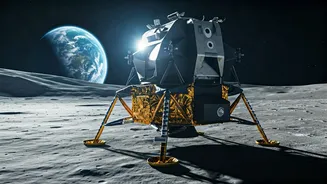
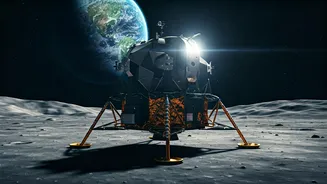
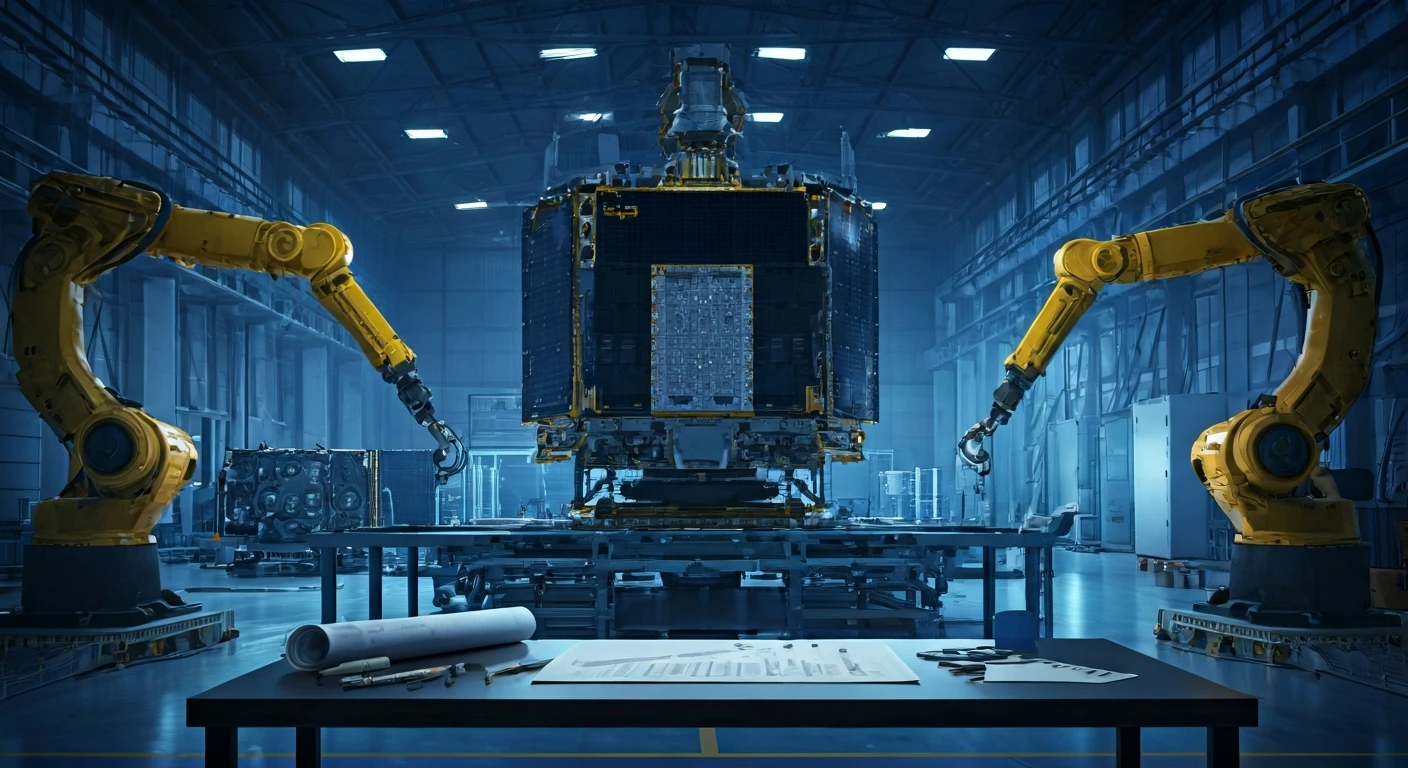
the Indian Space Research Organisation (ISRO), has been quietly building a world-class program on a radically different model: frugal innovation. While NASA’s ethos was often defined by building the biggest and best, ISRO’s was shaped by necessity—doing more with less. This approach has forced a culture of ingenuity, from using existing rocket components in novel ways to designing lightweight, hyper-efficient satellites. The successful Chandrayaan-3 moon mission wasn’t a lucky shot; it was the culmination of a long-term strategy built on methodical, cost-conscious engineering. It proved that a country doesn't need a trillion-dollar economy to reach for the stars.
Unleashing the Private Sector
The most significant new element in India's space story isn't just its government agency. The “new players” are a swarm of ambitious private startups. In 2020, the Indian government enacted landmark reforms, opening up its once state-controlled space sector to private enterprise. The goal was to replicate the dynamic partnership between NASA and companies like SpaceX, fostering a domestic ecosystem of innovation and commercialization. The floodgates opened. Today, over 150 Indian space-tech startups are in the game. Companies like Skyroot Aerospace and Agnikul Cosmos are developing their own small-satellite launch vehicles, aiming to capture a slice of the lucrative global launch market. Others are focused on building satellites, ground station services, and data analytics. This privatization is turning India’s space program from a government-led project into a full-fledged industry, creating a powerful engine for both economic growth and technological advancement.
The $75 Million Moon Mission
To understand India's disruptive power, just follow the money. The entire Chandrayaan-3 mission cost an estimated $75 million. For context, that’s less than the production budget for Hollywood movies like *Oppenheimer* (around $100 million) or *Gravity* ($100 million). NASA’s own efforts to return to the moon under the Artemis program are projected to cost tens of billions of dollars. This incredible cost-effectiveness is India’s superpower. It changes the economics of space exploration, making ambitious missions accessible to a wider range of nations and organizations. While American private companies have focused on reusability to bring down costs, India has mastered the art of building highly reliable, low-cost expendable systems from the ground up. This knack for delivering “bang for your buck” makes India an incredibly attractive partner for countries wanting to get into space without breaking the bank.
Cooperation, Not a Cold War
So, what does India’s rise mean for the United States? Unlike the zero-sum rivalry of the original space race, this new era is more complex and collaborative. India is a key democratic partner for the U.S. and a signatory of the Artemis Accords, the NASA-led framework for peaceful lunar exploration. The two nations are already working closely on major projects, most notably the NISAR (NASA-ISRO Synthetic Aperture Radar) satellite, one of the most expensive Earth-imaging satellites ever built, designed to monitor climate change and natural disasters. For Washington, a strong Indian space program provides a crucial counterbalance to China’s growing ambitions in space. Rather than a direct competitor, India is emerging as a vital ally—a partner that shares democratic values and brings a unique, cost-effective approach to the table. This relationship allows for shared scientific discovery and a more resilient, diversified global space infrastructure.