


The Essence of Japandi
First, let’s define the foundation. Japandi is not just a trend; it's a design philosophy born from the fusion of Japanese minimalism and Scandinavian functionality. Think of it as the meeting point between Japan's 'wabi-sabi'—the appreciation of beauty
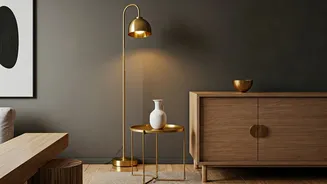
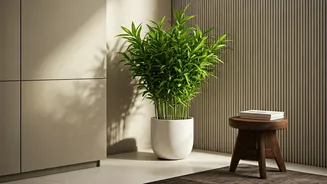
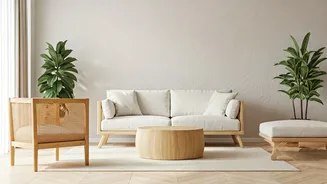
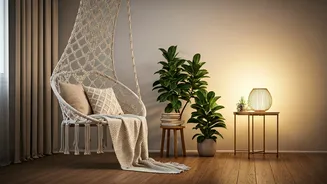
in imperfection—and Scandinavia's 'hygge,' the cozy contentment found in simplicity. The result is a style that prioritizes clean lines, uncluttered spaces, and a deep connection to the natural world. A Japandi interior favors a muted color palette of neutrals, grays, and soft earth tones. Materials are honest and organic: light-toned woods like oak and maple are paired with stone, bamboo, and paper. Every object has a purpose, and furniture is chosen for its craftsmanship and functionality, creating an atmosphere of intentional calm.
The Sustainable Allure of Cane
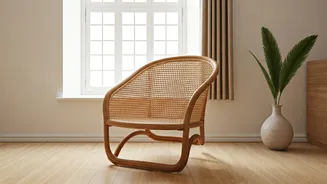
On the other side of this pairing is cane, a material enjoying a major resurgence, particularly in its upcycled form. Caning is the craft of weaving the peeled bark of the rattan vine into a durable, flexible mesh. Popular in the 1970s, cane furniture—from iconic Breuer chairs to latticed credenzas—is now a sought-after find in thrift stores, flea markets, and online marketplaces. The 'upcycled' aspect is key. Choosing a vintage cane piece isn't just about aesthetics; it's a sustainable choice that brings history and character into a room. The woven texture adds a layer of visual interest and handmade charm that new, mass-produced items often lack. Its light, airy structure prevents it from feeling heavy, making it a versatile addition to almost any space.
Why This Combination Works So Well
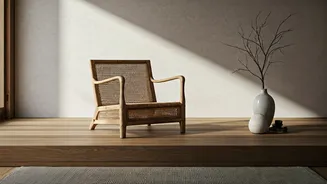
The magic happens when these two seemingly different styles meet. Japandi provides the clean, serene canvas, while cane introduces warmth, texture, and a touch of bohemian history. They complement each other perfectly because they share core values. Both celebrate natural materials and craftsmanship. The organic, woven pattern of a cane chair or cabinet door breaks up the smooth, solid surfaces common in Japandi design without creating clutter. The texture of the cane adds a layer of 'wabi-sabi' imperfection, preventing the minimalist space from feeling too sterile or cold. In essence, cane injects a dose of personality and softness into Japandi's refined structure, creating a look that is balanced, warm, and deeply inviting.
How to Blend the Trends at Home
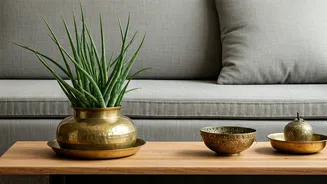
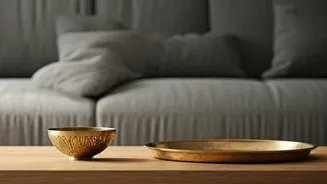
Bringing this look into your own living space is more about thoughtful curation than a complete overhaul. Start with your Japandi base: neutral wall colors (think warm white, mushroom gray, or sage green), simple window treatments, and a commitment to decluttering. Then, introduce cane as an accent. The key is restraint. You don't need a full set of cane furniture; a single piece can make a powerful statement. Consider a vintage cane-backed armchair in a reading nook, a pair of caned dining chairs, or a low-profile media console with cane door fronts. Let the cane piece be the star by keeping the surrounding decor minimal. Pair it with other natural textures like a jute rug, linen cushions, or a ceramic vase to create a cohesive, layered look.
Hunting for Your Upcycled Treasure
The fun of this trend lies in the hunt. Scouring flea markets, estate sales, and online platforms like Facebook Marketplace or Chairish for the perfect upcycled cane piece is part of the process. When searching, look beyond surface-level wear and tear. A sturdy frame is more important than a few scuffs, which can often be polished or painted. Check the caning itself for major breaks, though minor damage can sometimes be repaired by a professional. Don't be afraid of a piece that needs a little love. A coat of black paint on a wooden frame can create a striking contrast with the natural cane, perfectly aligning with the Japandi color palette. Finding and restoring a piece adds a personal story to your home that you can't buy off a shelf.