







What Is Affordable Wellness, Exactly?
At its core, affordable wellness is a philosophy, not a product line. It’s the intentional rejection of the idea that self-care must be purchased. Instead of a $15 adaptogenic smoothie, it’s a homemade banana smoothie. Instead of a $40-per-class boutique
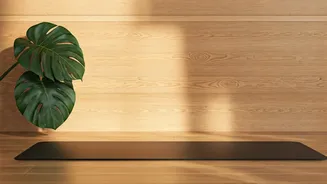
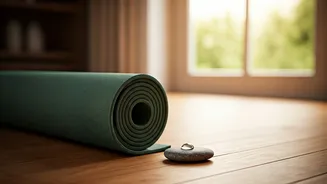
fitness studio, it’s a free yoga video on YouTube or a long walk in a local park. This trend re-centers on foundational, often free, practices: adequate sleep, mindful movement, nourishing food cooked at home, and genuine social connection. It isn't about finding the cheapest version of a luxury product; it’s about questioning whether the product was ever necessary for well-being in the first place. It prioritizes accessibility and sustainability over aspiration and exclusivity, reframing wellness as an internal state you cultivate rather than an external aesthetic you buy.
Why Is This Happening Now?
The rise of affordable wellness is a direct response to two major forces: economic pressure and cultural burnout. With inflation squeezing household budgets, discretionary spending on high-end wellness products is often the first to go. People are realizing they can achieve similar, if not better, results without the hefty price tag. Culturally, there's a growing fatigue with the hyper-commercialized, performative nature of the wellness industry that thrived on social media. The perfectly curated images of green juices and serene yoga poses created a standard that was both unattainable and stressful for many. Affordable wellness is a form of quiet rebellion against this pressure. It represents a collective desire for authenticity and a return to simpler, more grounded practices that don't require going into debt or feeling inadequate.
From Pricey to Practical: The Swaps
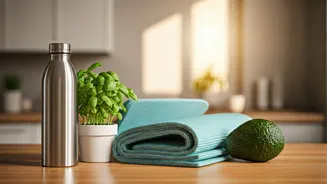
So what does this look like in daily life? It’s all about simple, effective swaps. That expensive gym membership can be replaced with bodyweight exercises at home, running or biking outdoors, or joining a community sports league. Instead of costly therapy sessions, many are turning to subsidized mental health apps, journaling, or free peer-support groups. The obsession with niche, 'superfood' ingredients is giving way to a focus on whole foods available at any grocery store—think beans, oats, seasonal vegetables, and frozen fruits. Entertainment and mental stimulation are found not in costly subscriptions but in a free library card, which offers books, audiobooks, and even access to streaming services. It’s a mindset of resourcefulness, focusing on what adds genuine value rather than what carries a trendy label.
Is the Trend Here to Stay?
While the luxury wellness market isn't disappearing, the affordable wellness movement signals a permanent shift in consumer consciousness. It has empowered people to decouple their well-being from their spending power. This trend isn't just a fleeting, budget-conscious fad; it's a deeper reevaluation of what it means to live a good life. By emphasizing community, nature, and simple daily habits, it offers a more inclusive and sustainable model for self-care. It democratizes the concept of wellness, reminding us that feeling good is a universal human need, not a privilege reserved for the wealthy. As people discover the profound benefits of these simpler practices, they are less likely to return to the belief that peace of mind can only be found at the bottom of an expensive jar or at a far-flung retreat.