



The Rain-Shadow Secret
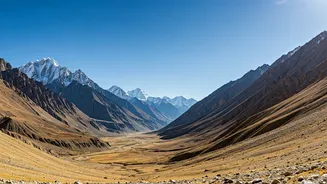
The magic trick behind a dry Spiti Valley during India’s wettest season is a simple geographic phenomenon: the rain shadow. As moisture-laden monsoon clouds roll in from the Indian Ocean, they are forced upward by the towering Himalayan mountain range.
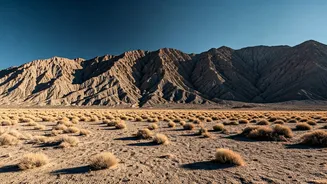
This ascent causes the clouds to cool and release all their rain on the windward side. By the time the air currents crest over the peaks and descend into Spiti on the other side, they are stripped of moisture. The result is a cold, high-altitude desert that remains stark, sunny, and almost entirely dry while the rest of the subcontinent is drenched. This makes a trip here not just an adventure, but a strategically brilliant move for anyone looking to travel India in the summer months.
A Different Kind of India
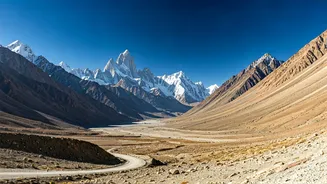
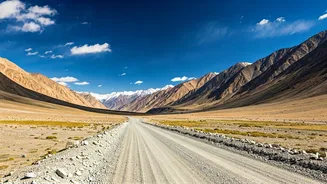
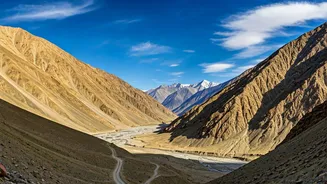
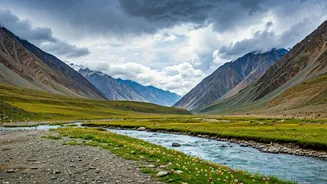
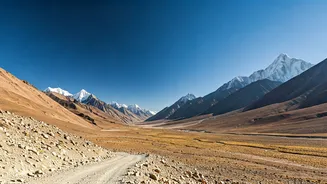
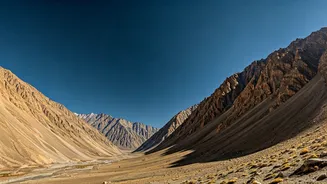
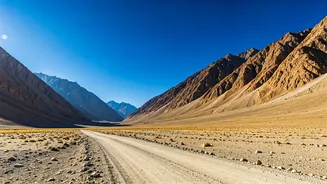
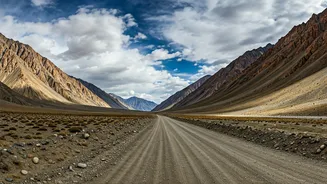
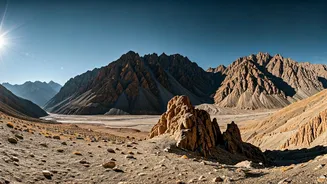
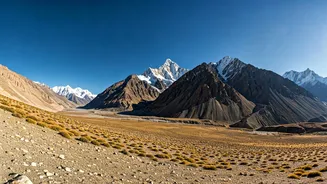
If your image of India is one of lush jungles and vibrant, crowded cities, Spiti will recalibrate your senses. This is a world of stark, lunar landscapes. The color palette is dominated by shades of brown, ochre, and gray, set against impossibly deep blue skies. Mighty rivers, milky with glacial silt, carve their way through vast valleys. The air is thin, crisp, and clean. The scale is immense and humbling, with jagged peaks piercing the sky in every direction. The vibe here is less about frantic energy and more about profound silence and space. It feels less like India and more like ancient Tibet, which is why it’s often called “Little Tibet.” For travelers seeking raw, untamed nature, Spiti delivers an experience that feels a world away from anything else on the continent.
Monasteries in the Sky
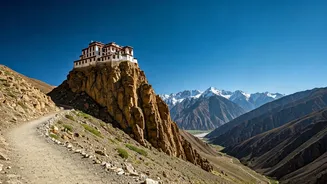
The human element in Spiti is just as dramatic as its landscape. The region is a bastion of Tibetan Buddhism, and its culture is visible in the stunning monasteries that seem to defy gravity. The most famous is Key (or Ki) Gompa, a spectacular cluster of white buildings perched atop a conical hill, looking like a fantastical fortress. There’s also the Dhankar Monastery, clinging precariously to a 1,000-foot cliff overlooking the confluence of the Spiti and Pin rivers. Inside these ancient structures, you’ll find vibrant murals, prayer wheels spun by maroon-robed monks, and an atmosphere of serene contemplation that has endured for centuries. Visiting these places isn't just sightseeing; it's a step into a living history that is deeply intertwined with the harsh but beautiful land.
The Journey Is the Destination
Getting to Spiti is an adventure in itself, and not for the faint of heart. There are two main road routes. The most common circuit starts from Manali, crossing the high-altitude Rohtang and Kunzum passes. This route is shorter but involves a rapid ascent, requiring careful acclimatization. The alternative is the longer, more gradual route from Shimla, which follows the old Hindustan-Tibet highway through Kinnaur Valley. This road is an engineering marvel, cut into the side of cliffs and offering breathtaking views at every turn. Whichever path you choose, expect rough patches, potential delays, and a true road-trip experience. This journey filters out casual tourists, ensuring that those who make it to Spiti are rewarded with a sense of genuine exploration and accomplishment.
Planning Your High-Altitude Escape
The ideal window for Spiti is from late May to early October, when the high mountain passes are clear of snow. Acclimatization is crucial. Plan to spend at least a night or two at a mid-range altitude like Kalpa (if coming from Shimla) or Manali before pushing higher. Pack layers: daytime can be sunny and warm, but temperatures plummet the moment the sun sets. Sunscreen, sunglasses, and a hat are non-negotiable due to the intense high-altitude sun. Be prepared for a digital detox; Wi-Fi is spotty at best, and cell service is scarce outside the main town of Kaza. Finally, book vehicles and guides in advance, especially during the peak months of June and July. This isn't a trip you can easily improvise, but the planning pays off tenfold.