
What Exactly Is Jaggery?
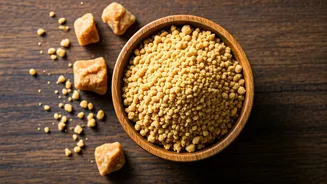
Before it was a trend, jaggery was simply a fact of life in kitchens across South Asia, Africa, and Latin America. It’s an unrefined, non-centrifugal sugar, meaning the molasses isn’t separated out during processing. The process is rustic and straightforward:
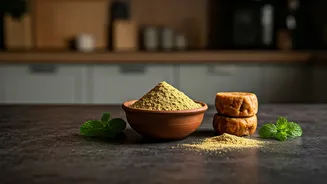
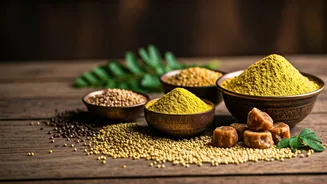
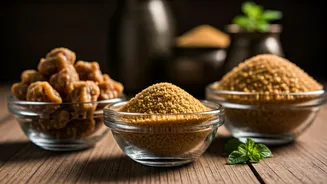
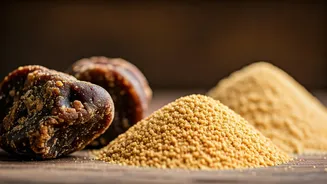
the sap from sugar cane or date palm trees is boiled down in large, open vats until it thickens into a dense paste. This paste is then cooled in molds, forming the familiar golden-brown blocks or cones you see in stores. Think of the difference between white bread and whole wheat. White sugar is pure, refined sucrose, stripped of everything else. Jaggery, like whole wheat, keeps its natural components. This includes the minerals and flavor-rich molasses that are removed to make granulated sugar. The result is a product that’s less a uniform crystal and more a complex, flavorful food in its own right.
The 'Clean Eating' Question
Here’s where things get complicated. The main argument for jaggery in wellness circles is that it’s “healthier” than white sugar. The claim has a kernel of truth. Because it’s unrefined, jaggery does retain trace amounts of minerals like iron, magnesium, and potassium, as well as some antioxidants. Proponents of traditional medicine systems like Ayurveda have long valued it for its perceived warming and purifying properties. However, it’s crucial to manage expectations. At the end of the day, jaggery is composed of about 70-80% sucrose, with the rest being water and invert sugars (glucose and fructose). Its caloric content is only marginally lower than that of table sugar. While it does offer more micronutrients, you would have to eat a huge, unhealthy amount to get a meaningful dose. The term “clean” is more a reflection of its minimal processing than a get-out-of-jail-free card for your sweet tooth. It’s still sugar, and it still impacts your blood sugar levels.
Its Real Superpower Is Flavor
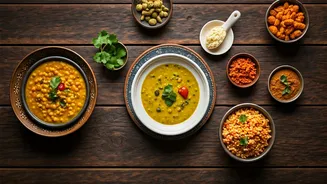
Focusing solely on the nutrition misses the point. Jaggery’s real magic lies in its taste. While white sugar provides one-note sweetness, jaggery brings a symphony of flavor. Depending on its source (cane or palm) and how it was made, it can have deep, complex notes of caramel, toffee, molasses, and even a subtle smokiness. It has a richness that feels more like a satisfying ingredient than a simple additive. This is why it has been a cornerstone of cooking for centuries. In India, it’s the soul of countless sweets (mithai) and savory dishes, balancing the heat of spices in curries and dals. In Southeast Asia, palm jaggery lends its unique character to desserts and sauces. Swapping white sugar for jaggery in a recipe doesn’t just change the sweetness; it adds depth and character.
How to Use It in Your Kitchen
Ready to give it a try? Jaggery is more accessible than ever, found in blocks, granulated form, or as a thick liquid syrup at most South Asian grocery stores and online. A solid block can be easily grated with a cheese grater or shaved with a knife. Start simple. Stir a spoonful into your morning coffee or tea for a rich, caramel-like flavor. Its molasses notes make it a fantastic substitute for brown sugar in baking, especially in recipes like oatmeal cookies, gingerbread, or banana bread. You can also dissolve it into a simple syrup to pour over pancakes or yogurt. For a savory twist, try adding it to a marinade for grilled chicken or pork, or use it to balance the acidity in a tomato-based sauce. It creates a beautiful glaze and a complexity that will make guests wonder about your secret ingredient.