


From Garnish to Centerpiece
For decades, the kitchen herb was a humble servant. A small pot of parsley or a sprig of mint existed for one reason: to be snipped and scattered over a finished dish. It was pure utility. But a fundamental shift is underway, driven by a convergence of design
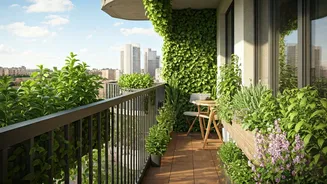
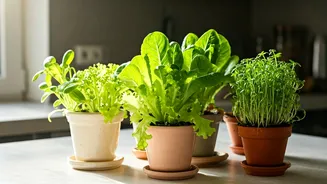
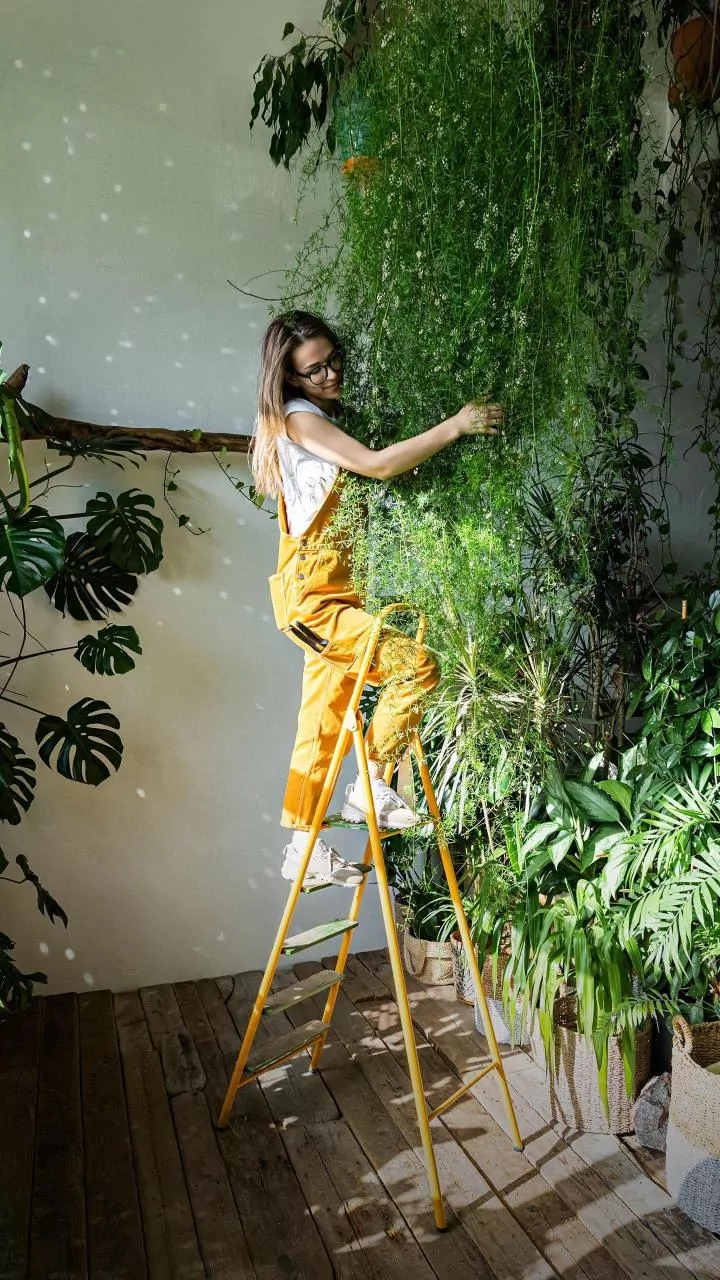
trends, wellness culture, and our ever-present desire to personalize our spaces. Today, the herb garden isn’t just *in* the kitchen; it often *is* the kitchen’s main event. Interior designers and home stylists are increasingly incorporating elaborate herb displays as core design elements. Think vertical walls of lush greenery, artfully mismatched terracotta pots overflowing with rosemary and thyme, or sleek, built-in hydroponic systems that glow under dedicated lighting. This isn't just about having fresh ingredients on hand. It’s about creating a focal point, a splash of living color and texture in a room that has become the undisputed social and functional hub of the modern American home.
The Living Mood Board
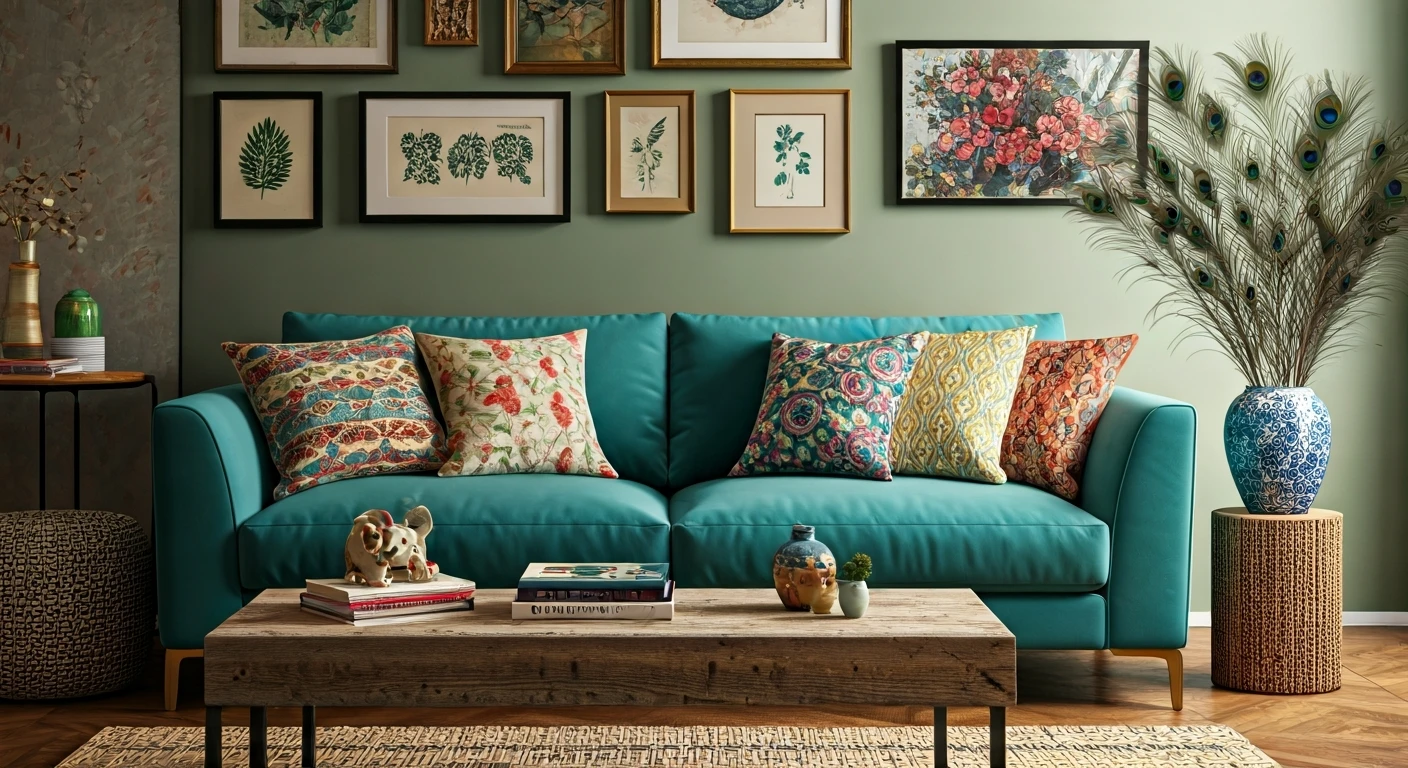
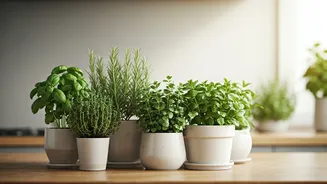
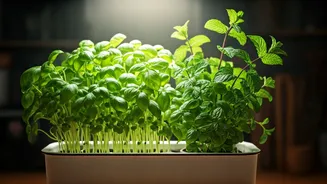
The term “mood board” perfectly captures the new role of kitchen herbs. Where a designer might once have used fabric swatches, paint chips, and magazine clippings to establish a vibe, homeowners are now using plants. The choice of herbs and their presentation become a form of self-expression. A collection of gnarled, woody rosemary and silver-leafed sage in rustic, aged pots evokes a Tuscan farmhouse. A neat row of bright green basil, mint, and cilantro in minimalist white planters suggests a clean, modern aesthetic. A wild, untamed tangle of hanging ivy and trailing oregano can create a bohemian, carefree feel.
This living mood board is interactive and multi-sensory. It’s not a static image but a dynamic installation that changes with the seasons, requires care, and offers rewards in the form of scent and flavor. It communicates a lifestyle—one that values freshness, nature, and hands-on creativity—without saying a word.
An Antidote to Digital Life
This trend isn't happening in a vacuum. It’s a direct response to our increasingly screen-based, disconnected lives. In a world of digital ephemera and remote work, nurturing a tangible, living thing offers a powerful sense of grounding. The simple, repetitive acts of watering, pruning, and harvesting connect us to a primal, natural rhythm.
Psychologists and wellness experts often point to “biophilia”—the innate human tendency to seek connections with nature. Bringing the outside in has been proven to reduce stress, improve mood, and even boost creativity. The fragrant aroma of crushed mint leaves or the sight of vibrant green growth against a sterile countertop provides a moment of sensory pleasure that a smartphone notification simply cannot. It’s a small act of rebellion against the disembodied nature of modern existence, re-introducing a touch of the wild into our most domesticated spaces.
Getting the Look (and the Taste)
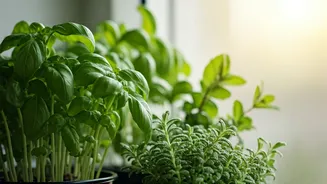
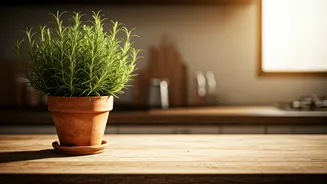
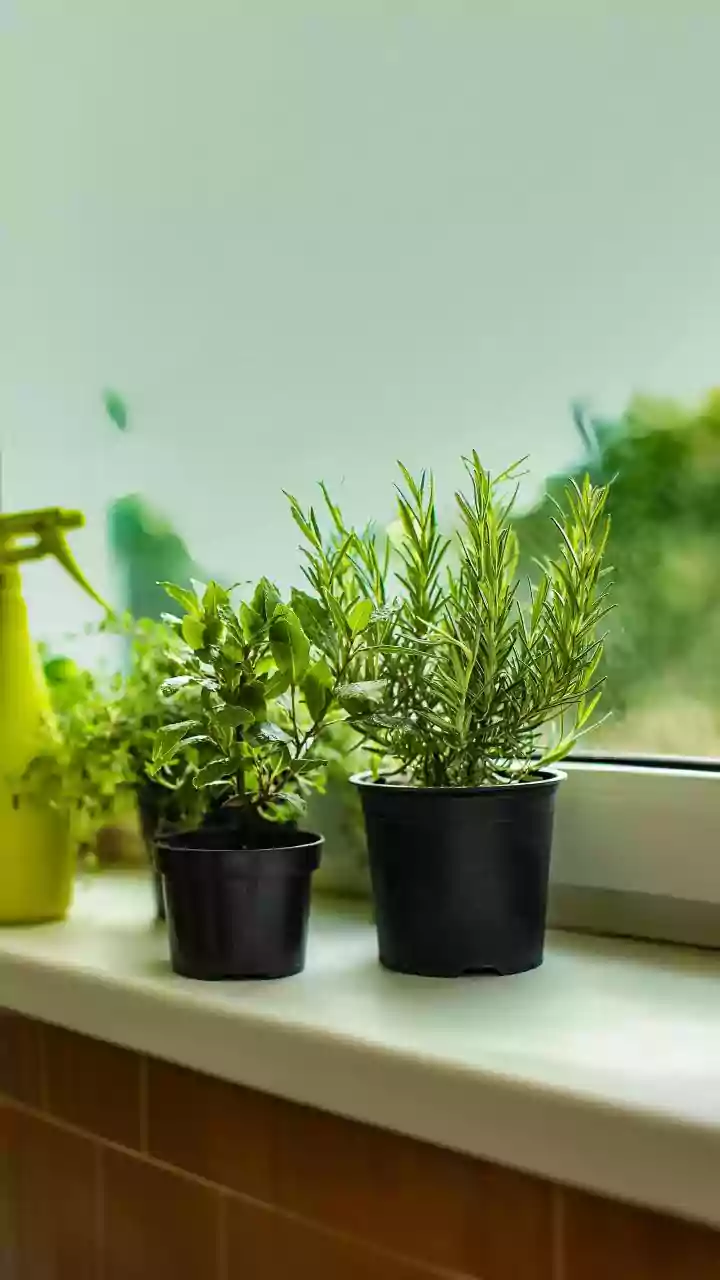
While some installations look professionally staged, achieving the “kitchen mood board” effect is surprisingly accessible. The key is to think like a stylist, not just a gardener. It begins with choosing a cohesive set of containers—whether that cohesion comes from matching materials (all ceramic, all terracotta) or a deliberately eclectic mix. Play with scale and height by using planters of different sizes and placing some on risers. Consider location: a sun-drenched windowsill is classic, but hanging planters free up counter space and draw the eye upward, while a multi-tiered plant stand can turn an empty corner into a lush feature.
For herbs, combine different textures and colors. Pair the broad, soft leaves of basil with the delicate, feathery fronds of dill. Contrast the upright, woody stems of rosemary with the cascading habit of creeping thyme. The goal is to create a composition that is as pleasing to the eye as it is to the palate.