







What Just Opened?
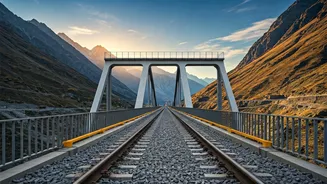
While the headline suggests a simple restoration, the reality is far more significant. This isn't about fixing a downed line; it's about the inauguration of a brand-new, 30-mile stretch of the ambitious Udhampur-Srinagar-Baramulla Rail Link (USBRL). This new section,
from Banihal to Sangaldan, navigates incredibly difficult mountain terrain and includes Tunnel T-50, India’s longest transportation tunnel at nearly 8 miles. This marks a major milestone in a decades-long project to provide a reliable, all-weather link between the Kashmir Valley and the rest of India. For the first time, electric trains are running on this part of the line, connecting key towns and bringing the full vision of a seamless railway journey tantalizingly close to completion.
An Engineering Feat Against Nature
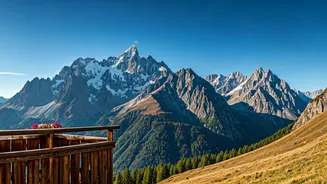
Building a railway through the Himalayas is less a construction project and more a battle against geology and gravity. The USBRL project is a collection of superlatives. The most famous component is the Chenab Rail Bridge, which stands as the world's highest single-arch railway bridge. At 1,178 feet above the riverbed, it’s taller than the Eiffel Tower. The entire route is a latticework of 38 tunnels and 927 bridges, designed to withstand the region's seismic activity and extreme weather. For years, the main highway connecting Jammu and Srinagar has been a perilous, landslide-prone road that can be shut down for days or weeks in winter, cutting the valley off. This railway is engineered to be an all-weather lifeline, a thread of steel running through a landscape that has always resisted being tamed.
More Than Just a Train
For the Indian government, this railway is a massive strategic and political statement. The Kashmir region has been a flashpoint between India and Pakistan since 1947, and more recently, a point of tension with China along its eastern border. An all-weather rail link provides an unprecedented ability to move military troops, equipment, and supplies to these sensitive frontiers quickly and reliably, regardless of snow or landslides. Politically, the project is central to New Delhi's efforts to integrate Jammu and Kashmir more fully into the Indian union. Since revoking the region's semi-autonomous status in 2019, the government has pushed major infrastructure projects as a way to foster economic development and demonstrate the benefits of federal control. The railway is the flagship of this policy, a tangible symbol of connection and control.
What It Means for Locals
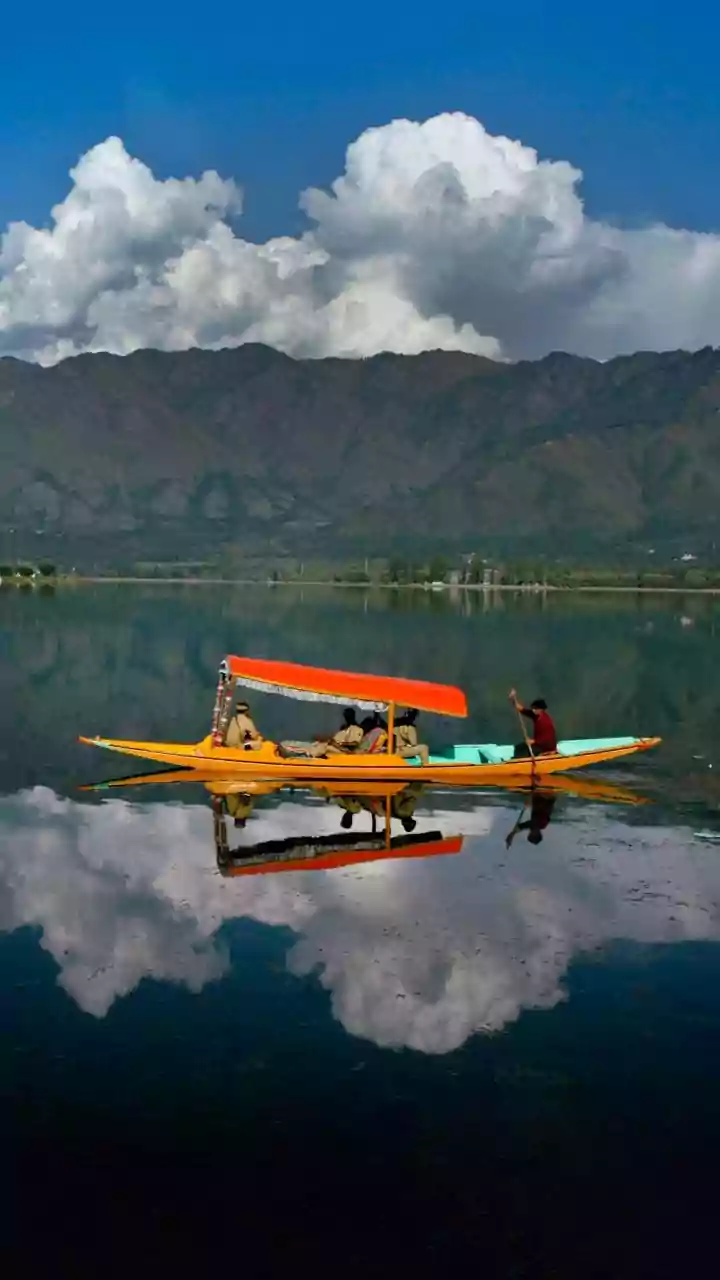
Beyond the geopolitics, the opening of this rail section promises a profound impact on the daily lives of Kashmiris. For decades, the region’s residents have been subject to supply shortages and price hikes whenever the highway closes. A reliable train service means cheaper goods, from fuel to food. It offers students and workers a safe and affordable way to travel to other parts of India for education and employment. Furthermore, it's expected to be a massive boon for tourism, one of the valley's most important industries. Making it easier for travelers to reach the stunning landscapes of Kashmir could revitalize the local economy. For many in the valley, the train isn't about military strategy; it’s about a connection to the outside world that is finally becoming dependable.