



The Mighty Millet Comeback
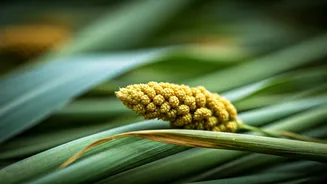
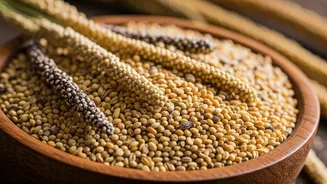
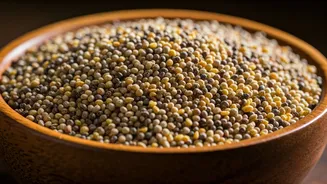
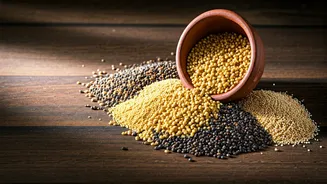
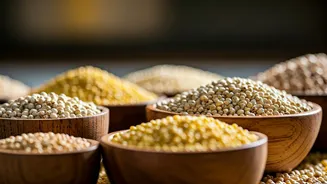
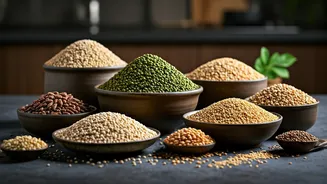
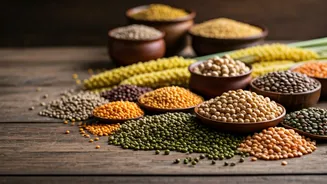
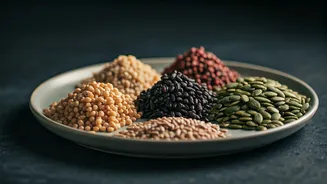
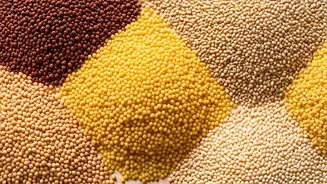
If there's one food at the heart of this revival, it's millet. This isn't a single grain but a family of small-seeded grasses, including varieties like sorghum (jowar), pearl millet (bajra), and finger millet (ragi). For centuries, these hardy grains
were a cornerstone of the Indian diet. They thrive in arid conditions with minimal water, making them far more climate-friendly than rice and wheat. However, during the Green Revolution of the 1960s, government policies heavily favored high-yield rice and wheat to combat famine, pushing millets to the margins as “poor people’s food.” Now, they’re back with a vengeance. Spurred by a government push and the UN declaring 2023 the “International Year of Millets,” these grains are being celebrated for what makes them special. They are naturally gluten-free, high in protein and fiber, and have a low glycemic index, which helps manage blood sugar. In the kitchen, they’re incredibly versatile. Use millet flour for rustic flatbreads or pancakes, or cook the whole grains as a substitute for quinoa or rice in salads and pilafs.
Moringa: The 'Miracle Tree'
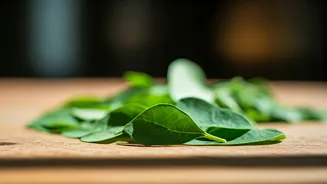
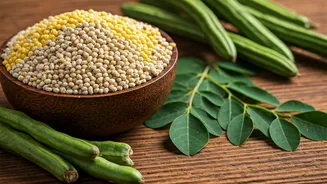
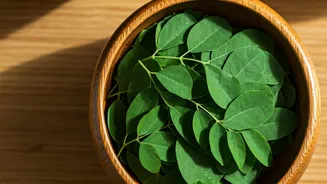
While moringa powder has been a fixture in Western health food stores for a few years, its full story is rooted in Indian home gardens. Every part of the moringa oleifera, or drumstick tree, is edible and packed with nutrients. The slender green pods are a staple in South Indian stews like sambar, providing a subtle, asparagus-like flavor. The leaves, however, are the real nutritional powerhouse. Gram for gram, fresh moringa leaves contain more vitamin C than oranges, more potassium than bananas, and a significant amount of protein and iron.
Traditionally, the leaves were simply cooked like spinach or added to lentil dishes. The modern revival has seen moringa become a trendy additive in smoothies, juices, and energy bars, often in its powdered form. Its resurgence is a perfect example of traditional wisdom meeting modern wellness culture, offering a simple way to boost the nutritional profile of almost any meal.
Jackfruit: The Plant-Based Powerhouse
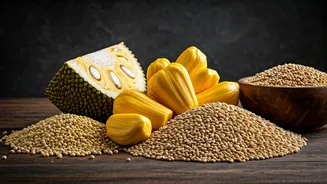
For many Americans, jackfruit burst onto the scene as a surprisingly convincing vegan substitute for pulled pork. But in India, it has been a beloved backyard fruit for millennia, consumed in two distinct ways. When ripe, it’s a sweet, fibrous, tropical-tasting fruit. But when unripe, its texture is stringy and savory, making it a perfect, hearty base for curries and stir-fries. This is the version that has captured the imagination of plant-based chefs worldwide.
Its “forgotten” status comes from its sheer inconvenience. A single jackfruit can weigh up to 100 pounds and is notoriously sticky and difficult to prepare, leading many urban families to abandon it for more convenient vegetables. Today, with the rise of pre-packaged, ready-to-cook unripe jackfruit, this nutritional giant—rich in fiber, potassium, and vitamin B6—is easier to access than ever. It’s a testament to how modern food processing can help revive a traditional ingredient for a new generation.
Amaranth: The Royal Grain
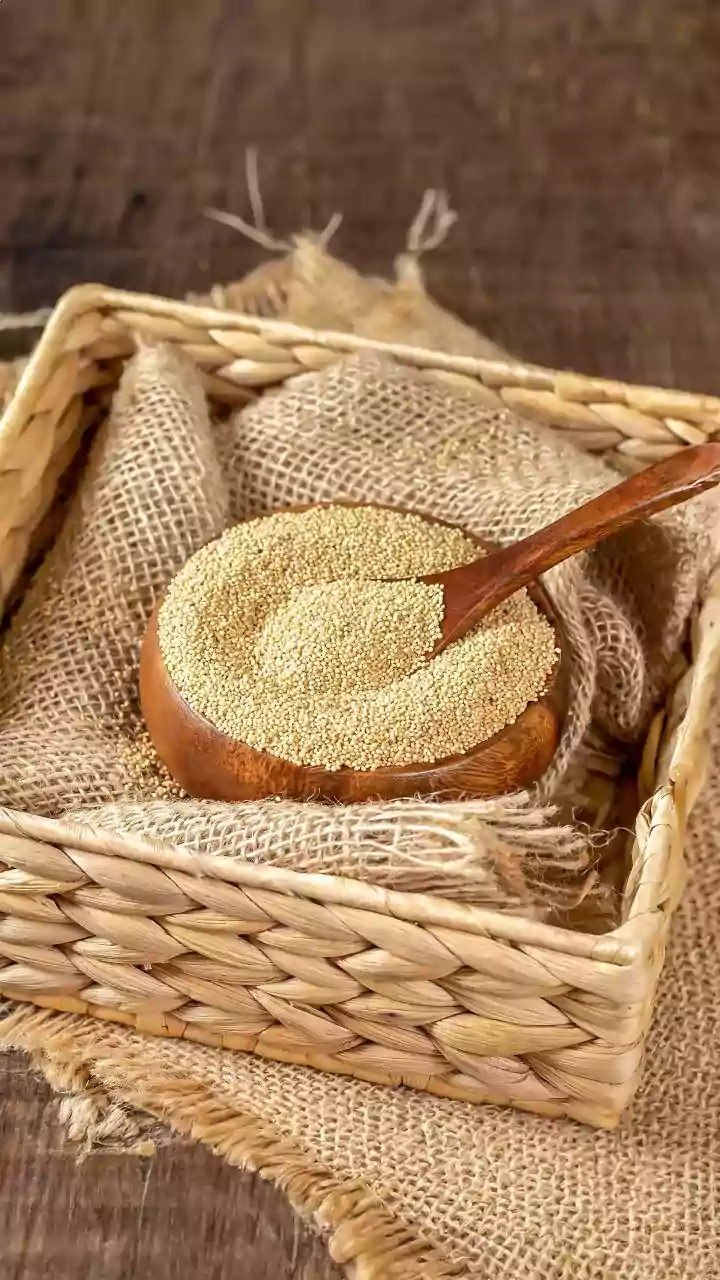
Amaranth, known as 'rajgira' in India (which translates to “royal grain”), isn't technically a grain but a “pseudo-cereal,” just like quinoa. It’s a tiny, poppy-seed-like powerhouse that was a staple food during fasting periods because it wasn’t considered a true grain. High in protein (it’s a complete protein, containing all nine essential amino acids), calcium, and iron, amaranth was a quiet nutritional hero long before it hit the global health-food circuit.
Its use declined as wheat and rice became ubiquitous, but now it’s being rediscovered for its gluten-free properties and versatility. The seeds can be puffed like tiny popcorn to make a crunchy breakfast cereal or snack bar. The flour can be used in gluten-free baking, often lending a moist, dense texture to breads and muffins. Its return is a nod to the growing demand for diverse, gluten-free options that don't sacrifice nutritional value.