

Know Your Heavy Hitters
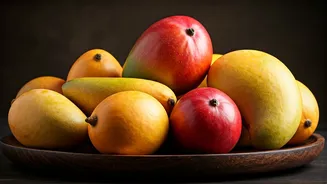
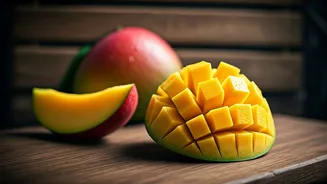
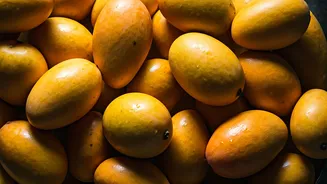
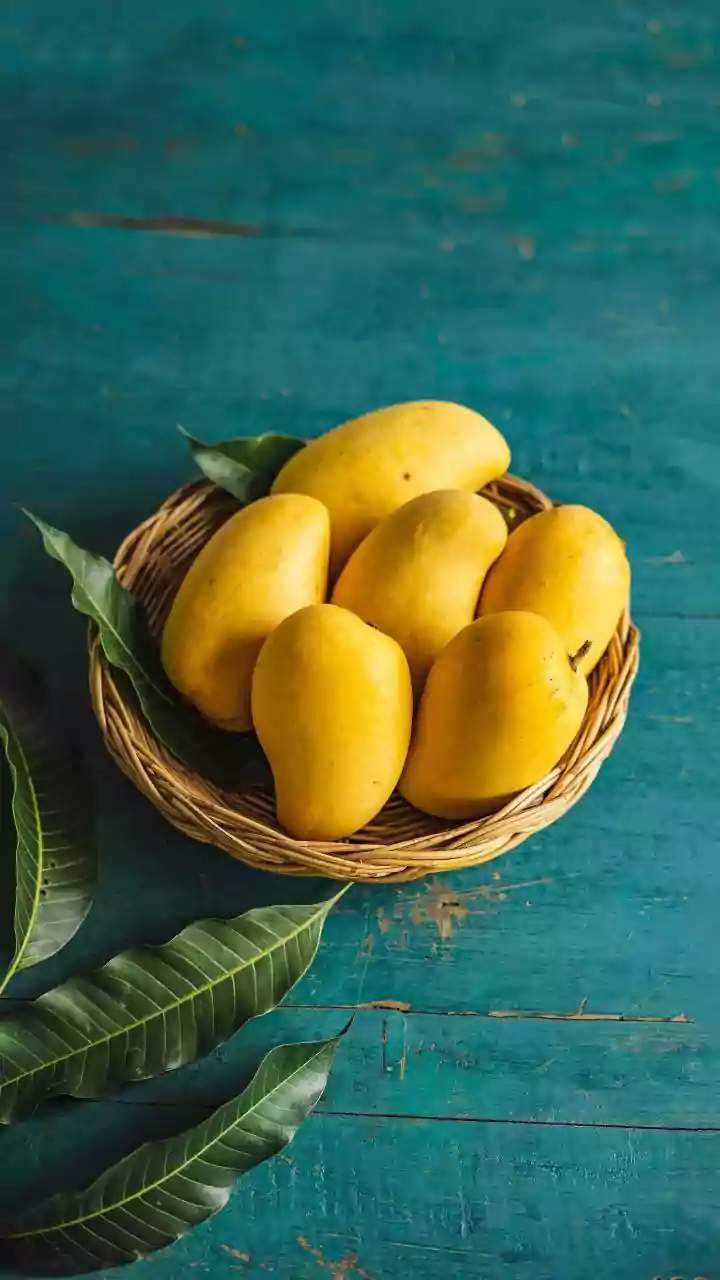
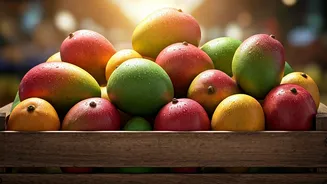
Walking into the festival without knowing your mangoes is like visiting a library and only looking at the book covers. You’ll be confronted with hundreds of varieties, so do your homework. The undisputed 'king of mangoes' is the Alphonso (or 'Hapus'),
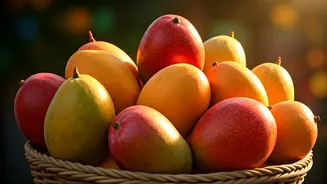
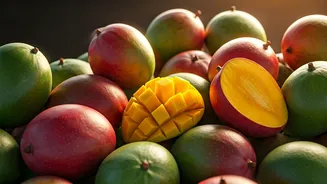
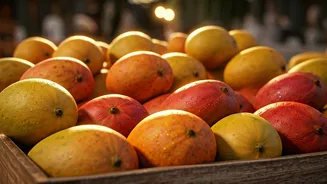
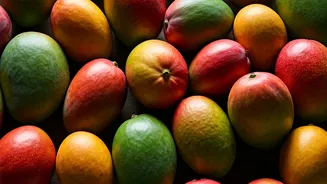
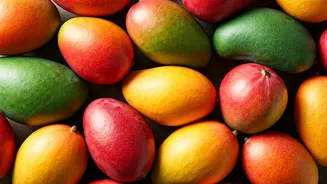
known for its saffron-colored flesh, creamy texture, and minimal fiber. But the real joy is in discovering the others. Seek out the Dasheri from North India, which is sweeter and more aromatic. Don’t miss the Langra, a green-skinned variety from Varanasi with a distinct, slightly tangy flavor. And then there's the Chausa, a late-season mango with incredibly sweet, bright yellow pulp. Asking vendors for a taste and knowing a few key names will signal that you’re a serious enthusiast, not just a tourist.
Develop a Tasting Strategy
This is a marathon, not a sprint. The sheer volume of mangoes available can be overwhelming, and palate fatigue is a real danger. Don’t try to taste everything on day one. A pro-level strategy involves starting with the milder, more subtly flavored varieties and working your way up to the intensely sweet and aromatic ones. Think of it as a flavor progression. Start with a less-assertive variety like the Totapuri, known for its tangy, almost savory notes, before moving on to the complex sweetness of a Kesar. Finish with the rich, decadent Alphonso or the honey-sweet Chausa. Cleansing your palate with water between varieties is non-negotiable.
Go Beyond the Fresh Fruit
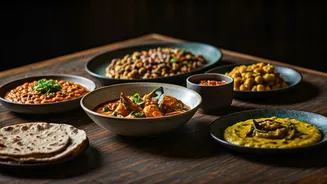
While sliced mango is the star, the festival is a celebration of the fruit in all its forms. True foodies explore the entire ecosystem. Look for stalls selling mango-based creations you won't find at home. This includes everything from mango kulfi (a dense, creamy Indian ice cream) and mango lassi (a yogurt-based drink) to more adventurous items like aam papad (leathery, sun-dried mango fruit roll-ups) and tangy mango pickles. You’ll also find chefs demonstrating innovative dishes, from mango salads and salsas to mango-infused curries. Sampling these products provides a deeper understanding of the fruit's versatility in Indian cuisine.
Embrace the Competitive Spirit
The Delhi Mango Festival isn't just a passive tasting event; it's an active celebration. One of the main attractions is the mango-eating competition. While you might not plan to enter, it’s an essential part of the experience. Watching contestants devour dozens of mangoes against the clock is a spectacle of pure, unadulterated joy and a testament to the local passion for the fruit. It's loud, messy, and incredibly fun. You'll also find competitions for the largest mango, the best-looking mango, and even mango-carving displays. These events are the heart and soul of the festival, transforming it from a market into a true cultural fair.
Dress for the Climate, Not the Gram
Let’s be clear: Delhi in July is brutally hot and humid, with temperatures often soaring above 100°F. The festival is typically held in a large, often open-air venue like Dilli Haat. This is not the time for stylish layers. Opt for lightweight, loose-fitting clothing made from natural fibers like cotton or linen. Comfortable walking shoes are a must, as you’ll be on your feet for hours. Also essential: a hat, sunglasses, and high-SPF sunscreen. Prioritizing comfort over fashion will allow you to focus on the food and enjoy the experience without feeling miserable.
Hydrate and Carry Cash
Hydration is your number one priority. Drink water constantly, even when you don’t feel thirsty. Many stalls sell bottled water and fresh lime soda, which is a fantastic and refreshing local choice. While the festival showcases innovation, the payment methods are often traditional. Many smaller vendors and farmers will operate on a cash-only basis. While some larger stalls may accept digital payments or cards, having a decent amount of Indian Rupees on hand is crucial for seamless snacking and shopping. It also makes haggling for a box of your favorite find much easier.