


First, Understand Your “Low Light”
Before you start planting, let’s manage expectations. “Low light” doesn't mean a windowless basement. In home gardening, it typically refers to a spot that receives bright, indirect light for at least four to six hours a day. This could be a room with
a north-facing window, a spot several feet back from a brighter east- or west-facing window, or an area where direct sun is blocked by a building or tree. Pay attention to your space for a day. If you can comfortably read a book there without turning on a lamp, you likely have enough ambient light to support the plants on this list. Remember, you’re growing plants for their leaves and stems, not for large, energy-intensive fruits.
Hardy Herbs for Shady Spots
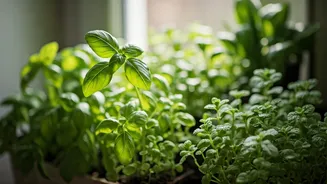
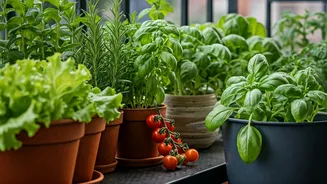
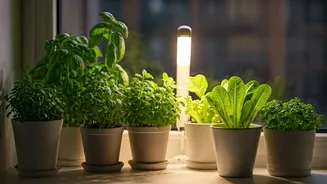
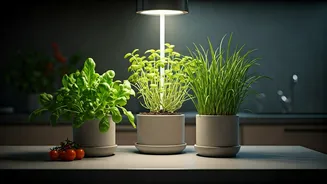
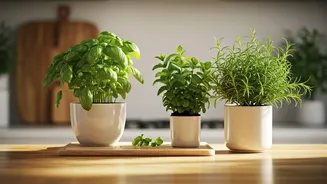
Herbs are the perfect starting point for any indoor gardener, and many are surprisingly tolerant of less-than-ideal light. Mint is famously aggressive and will grow almost anywhere, making it a fantastic choice; just keep it in its own pot unless you want it taking over. Parsley, both curly and flat-leaf varieties, does very well in indirect light. Chives are another easy win, providing a mild onion flavor for eggs and potatoes. Cilantro can also be grown, though it may be leggier than its sun-drenched counterparts. The key is harvesting them often to encourage bushier, more compact growth.
Leafy Greens and Salad Fixings
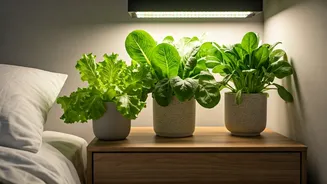
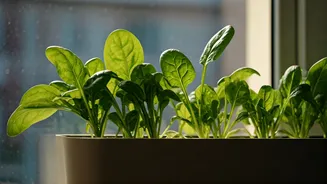
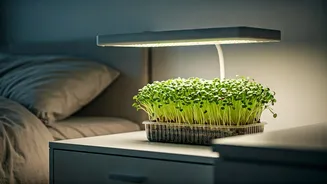
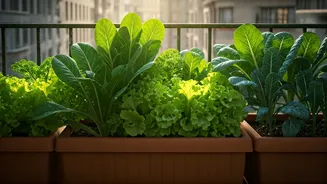
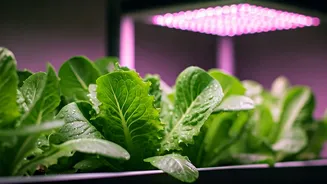
This is where low-light gardening truly shines. Many popular salad greens prefer cooler, shadier conditions to prevent them from bolting (flowering prematurely). Loose-leaf lettuces like Black Seed Simpson or Red Sails are excellent choices. Instead of waiting for a full head to form, you can practice the “cut and come again” method, snipping outer leaves as you need them. Spinach, arugula, and Swiss chard also perform admirably. For the ultimate low-light, high-reward crop, try microgreens. You can grow varieties like broccoli, radish, or kale on a dim windowsill and harvest them in just one to two weeks. Since you’re only growing them to their first set of true leaves, they don’t need intense light.
Unexpected Edibles: Shoots and Fungi
Think beyond traditional plants. You can easily regrow scallions (green onions) by placing the white root ends in a glass of water on your counter. Once new green shoots appear, transfer them to a pot of soil. You can snip the greens repeatedly for a never-ending supply. Another fantastic option is a mushroom growing kit. Varieties like oyster or shiitake mushrooms require almost no light at all—just humidity. These kits come with everything you need and provide a fascinating, fast-growing project. You can also sprout your own ginger. Plant a piece of ginger root (look for ones with small buds) just below the surface of some potting soil, and with patience, it will send up edible shoots.
Keys to Low-Light Success
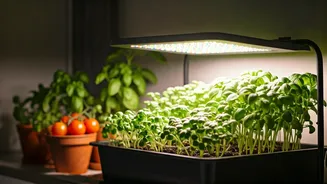
Growing in lower light requires a few adjustments. The biggest mistake is overwatering. With less sun, soil dries out much more slowly. Always check if the top inch of soil is dry before watering again. Good drainage is non-negotiable, so use pots with holes. Rotate your plants every week to ensure all sides get some light, which prevents them from leaning dramatically in one direction. Finally, if your space is truly dim, consider a small, affordable LED grow light. You don't need a professional setup; a single clip-on lamp aimed at your plants for a few hours a day can make a world of difference, boosting growth and overall health.