





Why Monsoons Are a Food Safety Challenge
The North American Monsoon, which primarily affects Arizona, New Mexico, and surrounding states, isn't just about afternoon thunderstorms. It’s a seasonal shift that introduces a trio of food safety threats: power outages, high humidity, and the risk
of flooding. Sudden, violent storms can easily knock out electricity, turning your refrigerator and freezer into ticking clocks for spoilage. At the same time, the spike in airborne moisture creates an ideal breeding ground for mold and bacteria on surfaces and in improperly stored pantry items. Food that seems perfectly fine one day can become a health hazard the next. Understanding this unique combination of factors is the first step in protecting your household.
Your Pre-Season Preparedness Kit
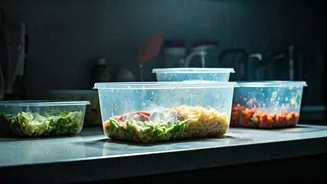
Getting your kitchen ready before the first major storm hits is the most important part of your seasonal homework. You wouldn’t wait for a hurricane to buy batteries, and the same logic applies here. Your goal is to be self-sufficient during a power outage. Start by stocking up on appliance thermometers for your fridge and freezer; they are the only reliable way to know if your food is holding at a safe temperature. Purchase or prepare a supply of frozen gel packs and have a few coolers on hand. If the power goes out, you can transfer perishable items to the coolers with the ice packs to extend their life. It's also wise to have a stock of shelf-stable foods like canned goods, peanut butter, and protein bars, along with a manual can opener and a supply of bottled water for drinking and cleaning.
Mastering the Power Outage
When the lights go out, your refrigerator becomes ground zero for food safety. The golden rule, according to the FDA and CDC, is to keep the doors closed as much as possible. A closed refrigerator will keep food safely cold for about four hours. A full, closed freezer will maintain its temperature for approximately 48 hours (24 hours if it’s half-full). This is where your appliance thermometer is crucial. The 'temperature danger zone' for food is between 40°F and 140°F, where bacteria multiply rapidly. Once the power is out for more than four hours, you must discard perishable foods like meat, poultry, fish, eggs, and leftovers that have risen above 40°F. Never taste food to determine its safety. When in doubt, throw it out.
Handling Humidity, Pests, and Your Pantry
The damp, sticky air of monsoon season doesn't just affect your comfort; it affects your dry goods. High humidity can cause crackers, cereals, and breads to spoil or go stale faster. More importantly, it encourages mold growth. Check your pantry for any signs of moisture and ensure all food is stored in airtight containers. Insects and other pests also become more active and may seek refuge indoors during storms. Keep kitchen counters clean, store food off the floor, and seal any cracks or holes where pests might enter. Pay close attention to produce stored on the counter, as fruits and vegetables can rot quickly in the humid environment. Consider refrigerating items you might normally leave out during drier times of the year.
The Unmistakable Danger of Floodwater
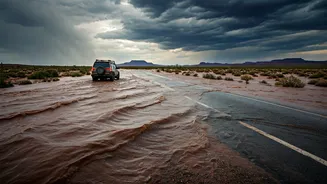
While less common than power outages, flash floods are a serious monsoon threat. The rule here is absolute: any food that has come into contact with floodwater should be discarded. Floodwater can be contaminated with sewage, chemicals, and disease-causing pathogens. This includes food in cans with small dents or rust, screw-top jars, or cardboard boxes, as contaminants can seep through compromised packaging. The only items that might be salvageable are commercially prepared foods in all-metal cans or retort pouches, but even those must be thoroughly washed and disinfected before opening. Do not take chances with flood-damaged food; the risk of severe illness is simply too high.