

The Breakfast Staple You Haven't Met
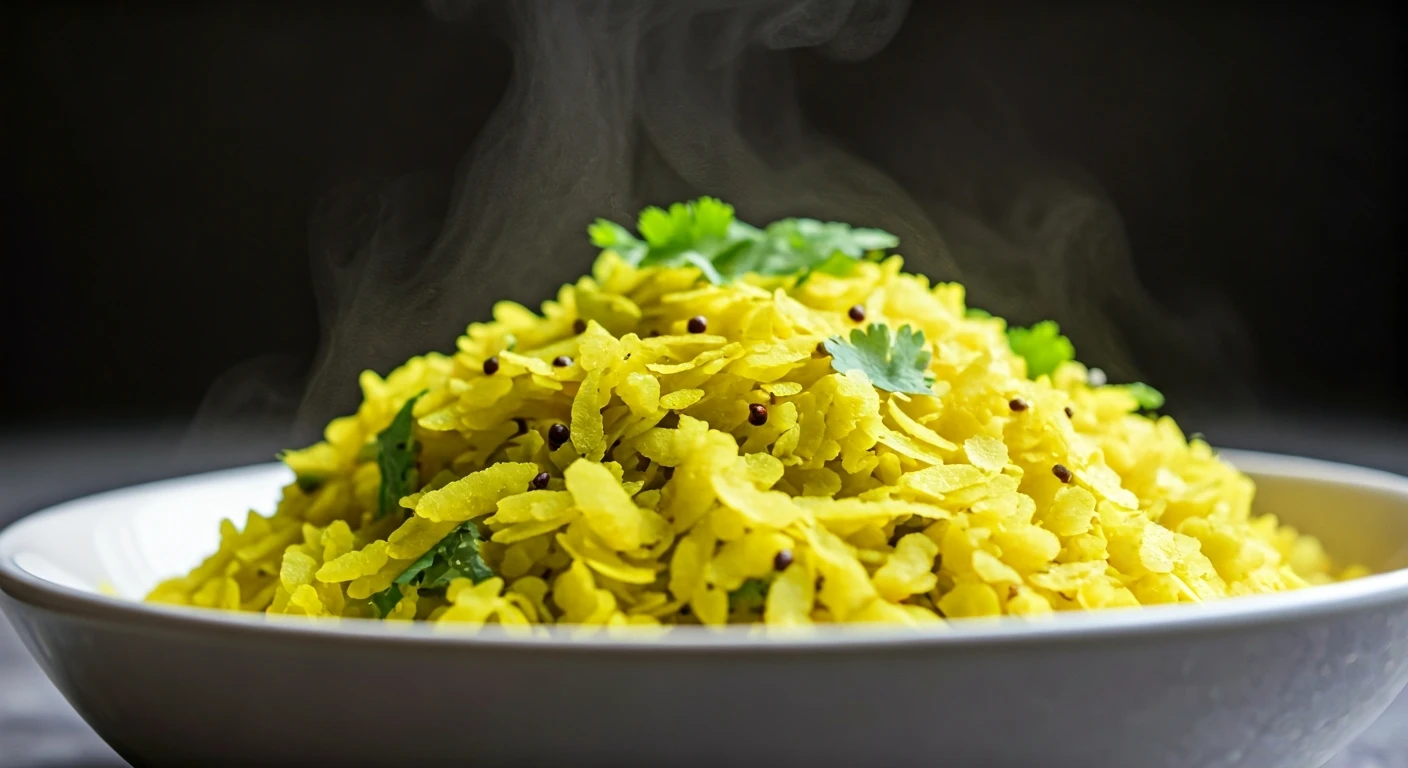
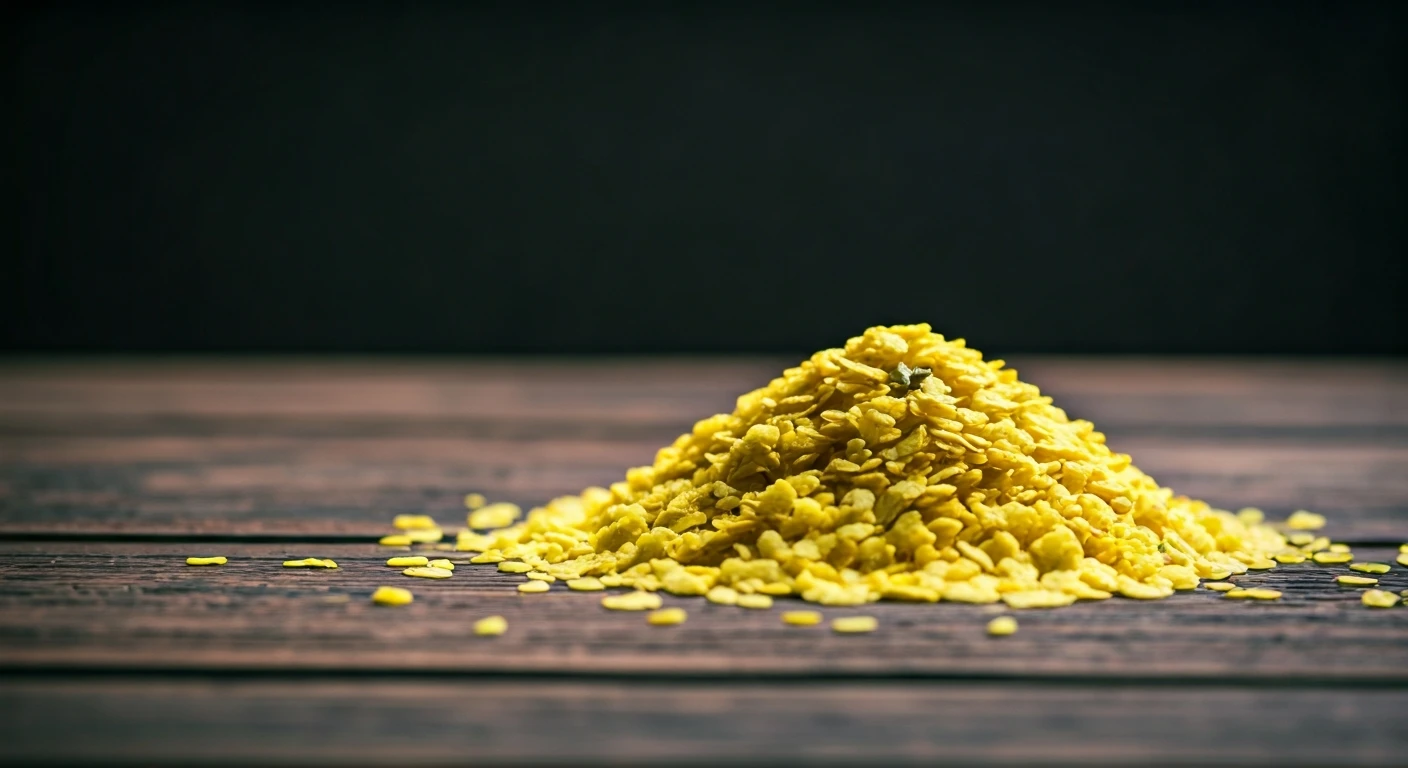
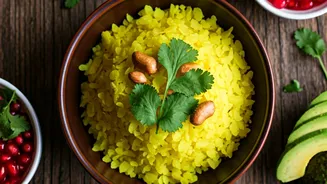
So, what exactly is Poha? If you’re imagining a bowl of oatmeal or a stack of pancakes, think again. Poha starts its life as rice, which is parboiled, flattened into thin, light flakes, and then dried. These feather-light flakes are the foundation of a dish
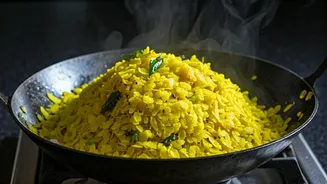
that is deceptively simple and endlessly satisfying. Unlike a heavy, gut-busting brunch, Poha is famously light and easy to digest, yet substantial enough to power you through the morning. The flakes are quickly rinsed (not soaked, a rookie mistake!), which instantly rehydrates them into a soft, chewy base. From there, they’re typically tossed into a hot pan with a symphony of spices and ingredients, transforming in minutes from a pantry item to a plate of pure comfort. The final texture is key: each flake remains distinct, fluffy, and never mushy, carrying the flavor of everything it's cooked with.
A Dish with Countless Identities
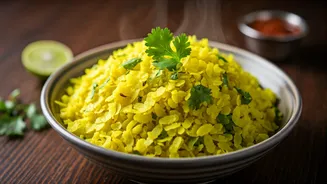
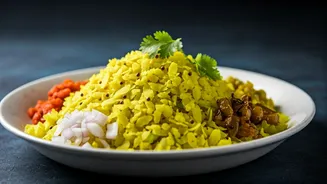
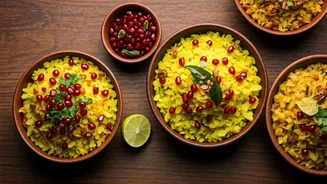
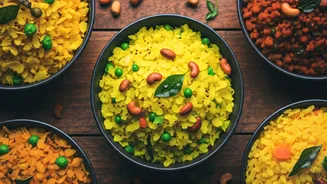
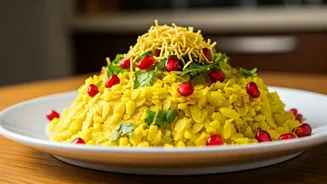
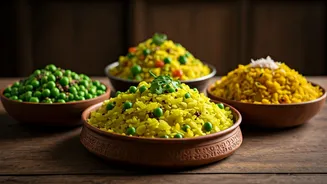
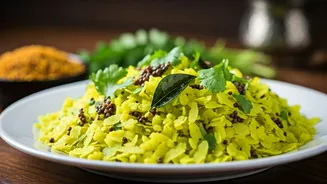
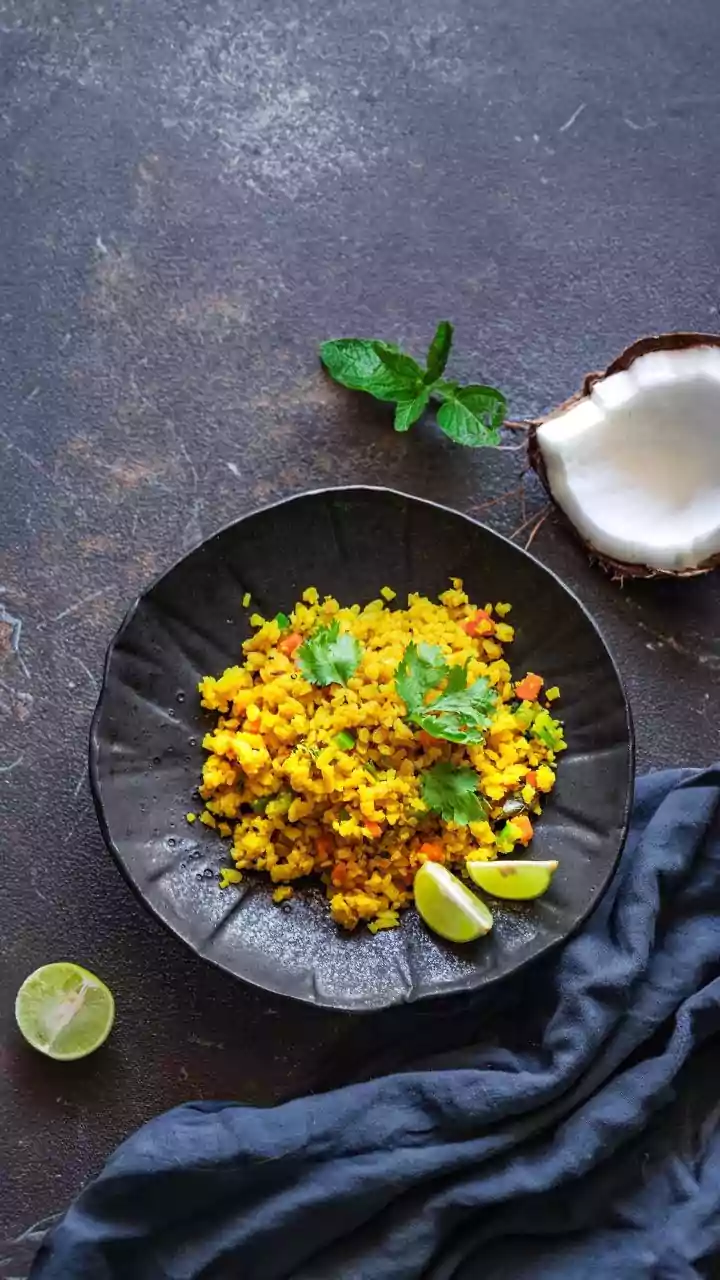
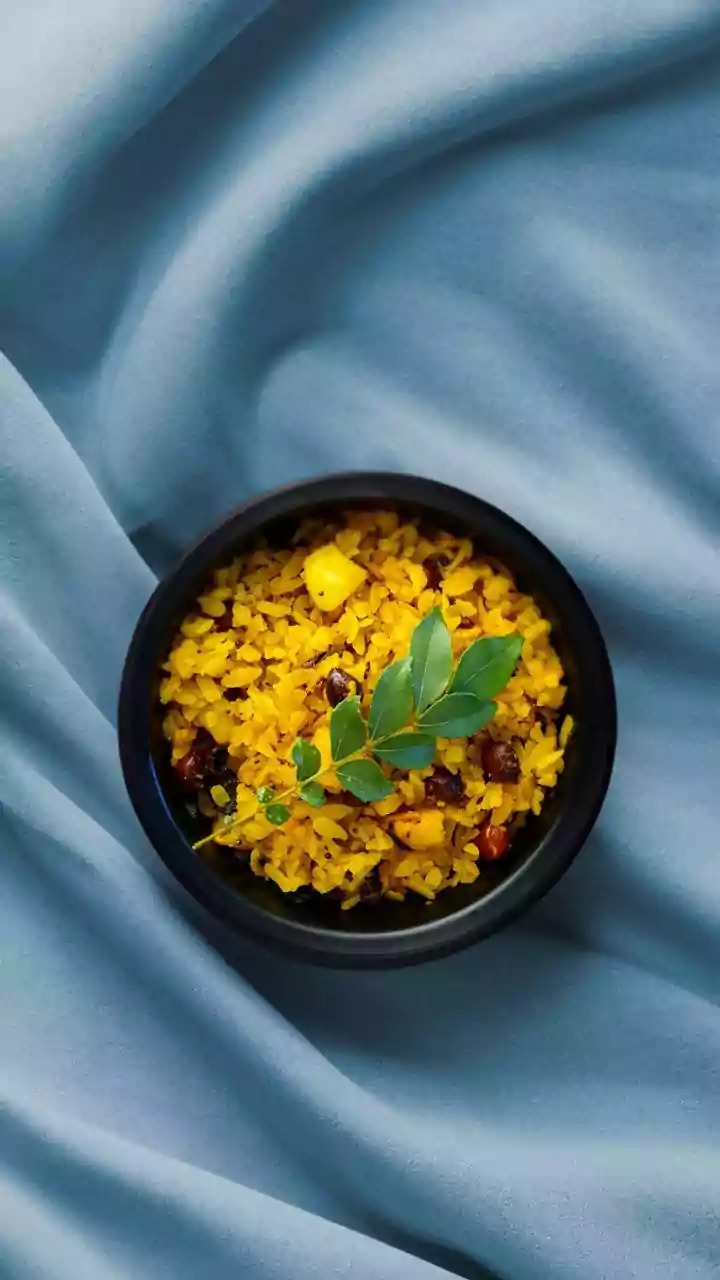
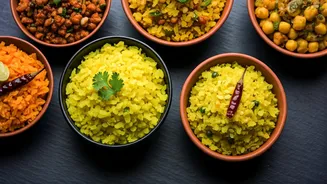
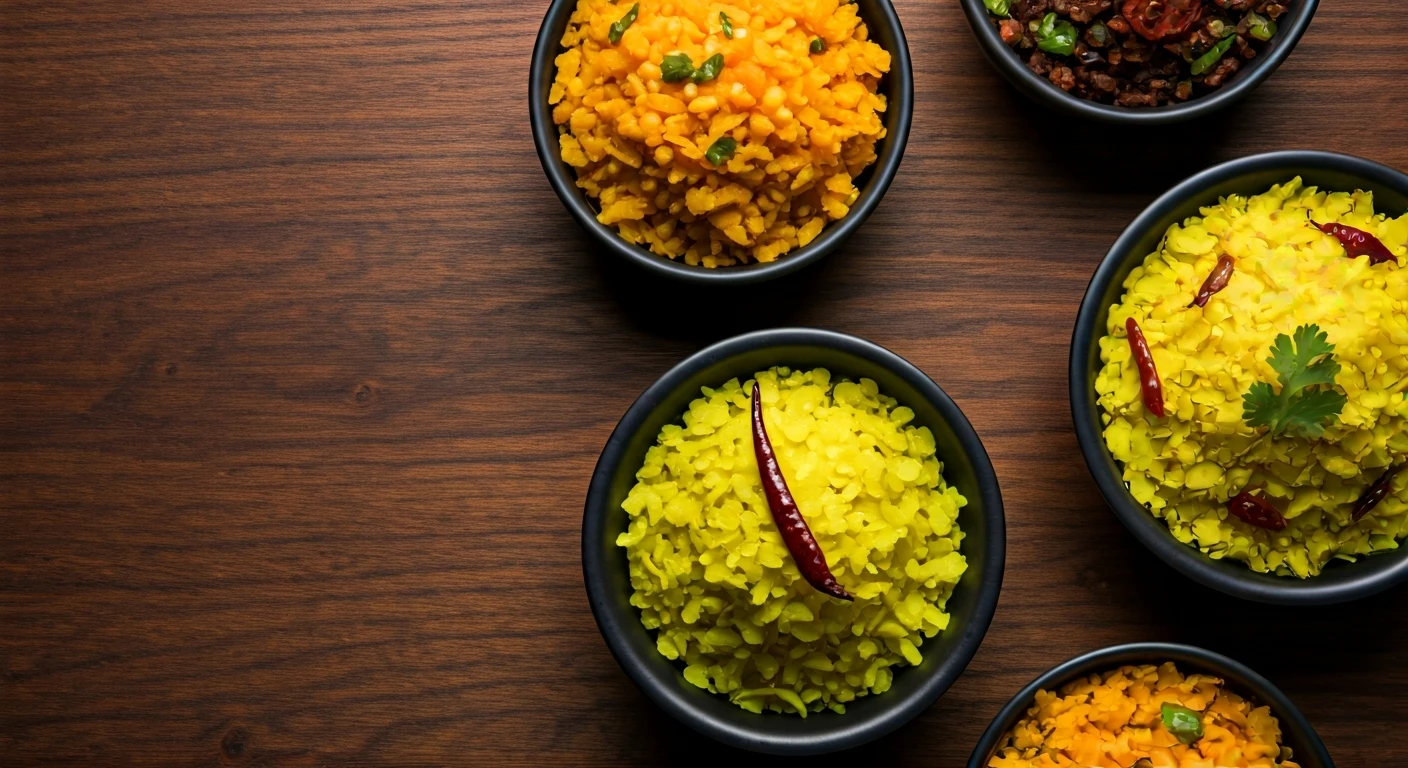
To say you’ve had Poha is like saying you’ve had a sandwich; the real question is, which one? The dish is a canvas for regional creativity. In the western state of Maharashtra, the undisputed champion is Kanda Poha, where the flakes are sautéed with onions (kanda), mustard seeds, turmeric, green chilies, and often peanuts for a bit of crunch. It’s savory, a little spicy, and garnished with fresh cilantro and a squeeze of lime—a perfect balance of flavors. Travel to the central city of Indore, and you’ll find a version that’s a star in its own right. Indori Poha is softer, steamier, and leans slightly sweet, but its fame comes from the toppings: a generous shower of crispy, fried chickpea noodles called sev, crunchy pomegranate seeds, and a special masala blend called Jeeravan. It’s a party of textures and tastes in every bite. Other variations across the country might include potatoes (Batata Poha), coconut, or other seasonal vegetables, proving its incredible adaptability.
Why It's the Ultimate Comfort Food
The immense popularity of Poha isn’t just about taste; it’s about accessibility and nostalgia. It’s the quintessential 'quick-fix' meal. For hurried students, busy parents, and office workers, it’s a nutritious breakfast that can be whipped up in under 15 minutes. It’s also incredibly affordable, making it a democratic dish enjoyed by everyone, from street-side stalls selling it for pennies to fancy cafes offering their gourmet take. Poha is what you eat on a lazy Sunday morning, what your mom makes when you visit home, and the first thing you crave after a long trip. It’s tied to the rhythm of everyday life—a simple, reliable source of comfort that feels like a warm hug in a bowl. This deep-seated emotional connection is what elevates it from a mere meal to a cultural touchstone.
A Day in the Social Media Sun
So, what is this “main character day”? Every year on June 7th, social media in India lights up for what has been unofficially dubbed 'World Poha Day.' It’s not a public holiday or an ancient festival, but a thoroughly modern celebration. Food lovers, chefs, and everyday home cooks take to Instagram, Twitter, and Facebook to share pictures of their Poha creations, trade recipes, and post nostalgic tributes. It’s a day for collective appreciation, where a humble dish gets the celebrity treatment. This digital phenomenon perfectly captures the food's status. It’s a grassroots movement, a digital potluck celebrating a shared love. The day serves as a reminder that sometimes, the most beloved heroes are the quiet, everyday ones that have been with you all along.