





The Gateway to a Different India
For most Americans, the map of India’s food scene is familiar: the rich curries of the north, the dosas of the south, the seafood of the coasts. But tucked away in the country’s northeastern corner is a region that operates on a completely different culinary
wavelength. Guwahati, the sprawling main city of the state of Assam, is the vibrant entry point to this world. Situated on the banks of the mighty Brahmaputra River, it’s a bustling hub that connects the seven states of Northeast India—a region with closer cultural and culinary ties to Southeast Asia than to the Indian mainland. For travelers jaded by beaten paths, Guwahati isn’t just another stop; it's a portal to a lesser-known, profoundly distinct food landscape.
Flavors You Won't Find Elsewhere
The foundation of Assamese cuisine rests on a trinity of unique flavor profiles: *khar*, *tenga*, and intense heat. *Khar* is the most uniquely Assamese concept. It’s a signature dish and cooking style centered around an alkaline liquid, traditionally made by filtering water through the ashes of a sun-dried banana peel. This gives dishes a distinct, savory, and almost umami-like flavor that’s impossible to replicate. Then there's *tenga*, which means 'sour.' Assamese kitchens create tangy fish and vegetable curries using ingredients like elephant apple, tomatoes, or lemon, resulting in light, refreshing broths perfect for the humid climate. Finally, there's the heat, delivered by the legendary *bhut jolokia*, or ghost pepper. Once the world's hottest chili, it’s used not for sheer shock value, but for its smoky, fruity flavor that adds a complex fire to chutneys and curries.
A World of Pork, Duck, and River Fish
While much of India adheres to religious dietary restrictions on beef and pork, Assam’s cuisine embraces a wider array of proteins, a nod to its diverse tribal heritage. Pork is a beloved staple, often slow-cooked with bamboo shoots, which impart a pungent, fermented aroma and taste that is central to the region’s identity. Another local favorite is duck, frequently cooked with winter melon or lentils in a rich, hearty curry that’s considered a festive delicacy. The Brahmaputra River provides an abundance of freshwater fish, which are the stars of countless dishes, from the simple pan-fried preparations to the iconic sour fish curry, *masor tenga*. This departure from the chicken- and lamb-heavy menus elsewhere is a huge part of Guwahati's draw for adventurous palates.
Taste of Tribal Heritage
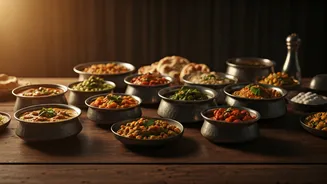
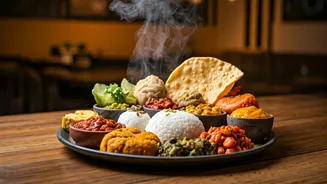
What makes the food here so compelling is that it isn’t a recent culinary invention; it’s a direct expression of the land and its indigenous communities. The techniques of smoking, fermenting, and sun-drying are not trendy menu buzzwords but age-old preservation methods born of necessity. Foraging for wild herbs, greens, and roots is part of daily life. This connection to nature gives the food a raw, honest quality. A meal in Guwahati might include a simple dish of steamed rice with boiled vegetables and a fiery chutney, or an elaborate platter featuring smoked pork, fermented fish, and greens you've never heard of. It’s food that tells a story of place, history, and survival, untouched by global homogenization.
The Modern Explorer's Appeal
So why now? For the modern food explorer, authenticity has become the ultimate currency. This new generation of travelers, armed with Instagram and a desire for genuine experiences, is actively seeking out destinations that feel real and unfiltered. Guwahati delivers exactly that. It isn't polished for tourists; its charm lies in its bustling markets, no-frills eateries (known as *bhaat hotels*), and flavors that challenge and excite rather than comfort. It offers the thrill of discovery—the feeling that you are experiencing a culinary tradition on its own terms. For those who believe travel is about pushing boundaries, Guwahati is not just a destination; it's a delicious rite of passage.