




Improve Soil and Pot Drainage
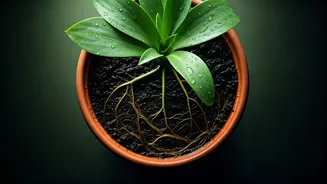
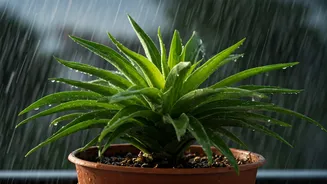
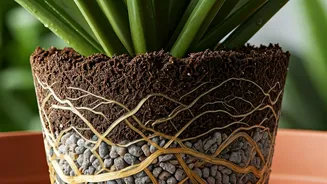
The number one killer during a wet season isn't the wind; it's root rot. When soil becomes waterlogged, it suffocates plant roots, leading to a swift decline. Before the rains begin, assess your drainage. For in-ground plants, amend heavy clay soil with
compost or other organic matter to improve its structure and ability to drain. Creating small berms or planting in raised beds can also elevate roots above the soggiest ground. For container plants, this is non-negotiable. Ensure every pot has ample drainage holes. If a pot seems to hold water, you can gently drill more holes. It’s also a good time to clear saucers and trays that might collect standing water, which is a breeding ground for both root disease and mosquitoes.
Prune for Airflow and Strength
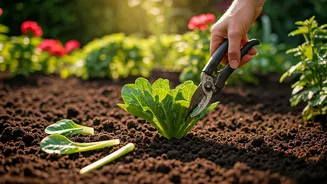
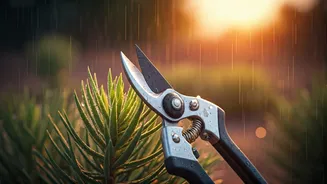
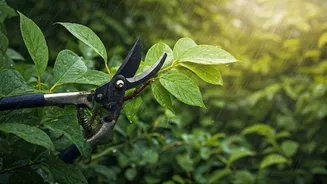
A dense, overgrown plant is a prime target for fungal diseases like powdery mildew, which thrive in humid, stagnant conditions. Proactive pruning is your best defense. Selectively trim some interior branches and leaves to open up the plant's structure. This allows air to circulate freely after a downpour, drying the foliage more quickly and reducing the risk of disease. This isn't a hard, restorative prune; think of it as a strategic thinning. Focus on removing any weak, damaged, or crossing branches. A slightly sparser plant also presents less of a solid wall for strong winds to push against, reducing the chance it will be uprooted or snapped.
Install Proactive Support
Don't wait for the first storm to discover your prized sunflowers or dahlias can't handle the weight of rain-soaked blossoms. Heavy rain adds a surprising amount of weight to flowers and foliage, causing stems to bend and break. High winds, of course, only make this worse. Before the season kicks off, install supports for any plants that are tall, top-heavy, or have a tendency to flop. Peony rings, tomato cages, bamboo stakes, and decorative trellises are all excellent options. The key is to install them early, allowing the plant to grow into and through the support, making it look natural and providing stability from the inside out.
Apply a Protective Layer of Mulch
Mulch is a gardener's best friend, and it plays a crucial role during monsoon season. A two- to three-inch layer of organic mulch (like wood chips or shredded bark) serves multiple purposes. First, it prevents soil from splashing up onto the leaves, which is a primary way soil-borne fungal spores are transmitted to plants. Second, it helps regulate soil moisture, absorbing some of the initial impact of a downpour and slowing evaporation when the sun returns. Finally, it prevents soil erosion in your garden beds. Just be sure to keep the mulch a few inches away from the base of the plant stems to prevent stem rot.
Plan Your Shelter Strategy
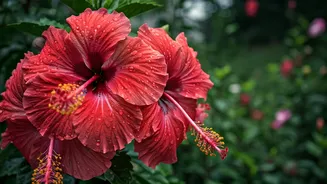
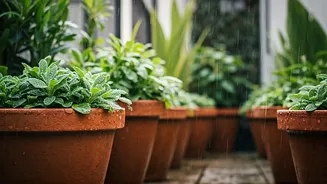
The greatest advantage of container gardening is mobility. For your most treasured or delicate potted plants—orchids, hibiscus, or fragile annuals—the best monsoon prep is an escape plan. Identify a spot where you can move them during the worst of the weather. A covered patio, a garage with a window, or even a spot against a protected wall of the house can shield them from torrential rain and damaging winds. Have these locations cleared and ready. For larger plants that can't be moved, you can consider temporary covers with garden fleece or burlap, secured to stakes to prevent them from blowing away and damaging the plant.
Hold Off on the Fertilizer
It seems counterintuitive, but it's wise to pause your feeding schedule right before and during the peak of the monsoon season. Heavy rains can quickly wash soluble fertilizers out of the soil before the plant has a chance to absorb them, wasting your money and contributing to nutrient runoff in local waterways. Furthermore, fertilizing encourages a flush of soft, tender new growth. This new growth is particularly susceptible to damage from wind and rain and is more vulnerable to pests and diseases that flourish in wet conditions. Wait until the monsoon season begins to taper off, then resume feeding to help your plants recover and put on a final show of blooms.