




Beyond the Downpour Myth
For decades, the word "monsoon" was a stop sign for travelers dreaming of destinations like India, Thailand, or Vietnam. Guidebooks painted pictures of washed-out roads, canceled flights, and days spent trapped indoors. While heavy rains are a reality,
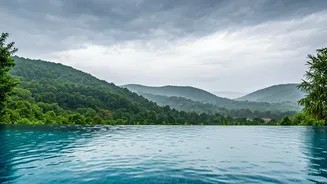
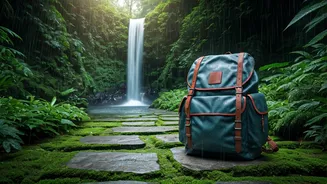
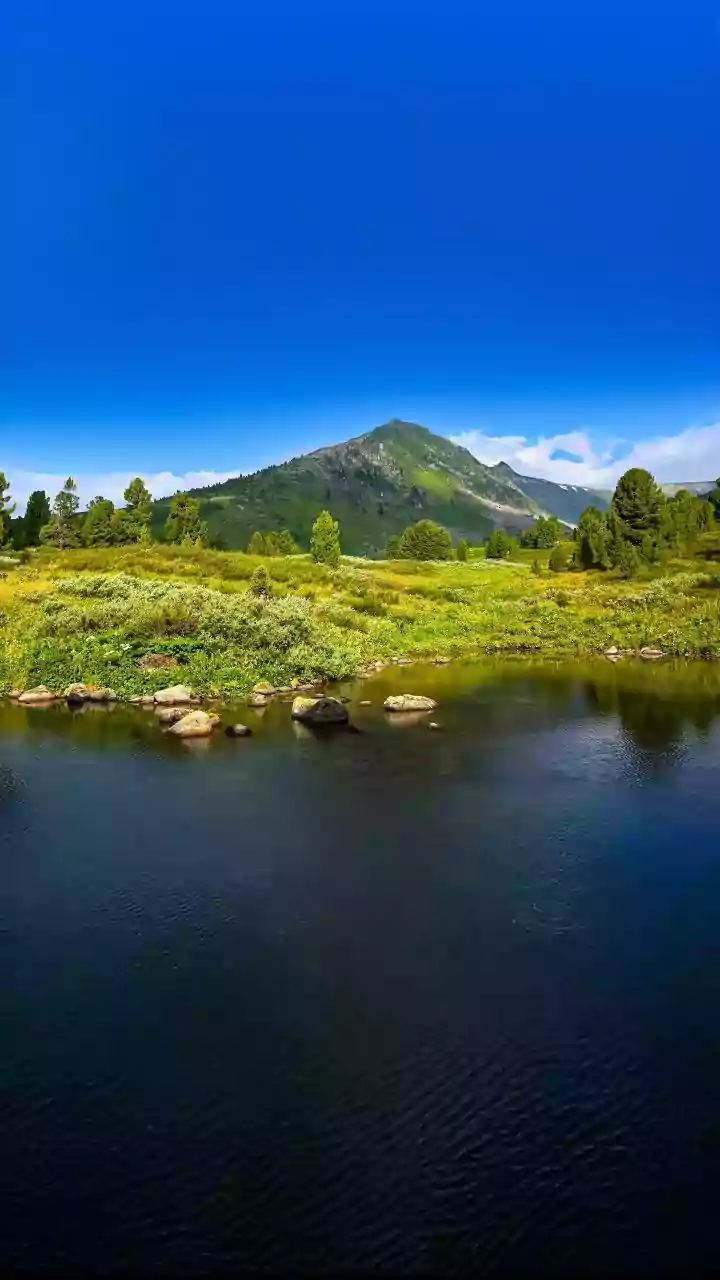
this perception is incomplete. The monsoon season is not a relentless, months-long storm. It's often a cycle of intense but short-lived afternoon downpours followed by clean, fresh air and dramatic, cloud-filled skies. For many places, the monsoon is a life-giving force that transforms the landscape into a canvas of vibrant greens, fills waterfalls to their thundering prime, and clears the air of dust and haze. The old fear was based on inflexibility—the risk of losing money on a prepaid trip ruined by weather. That fundamental risk has now changed.
The Age of 'Book with Confidence'
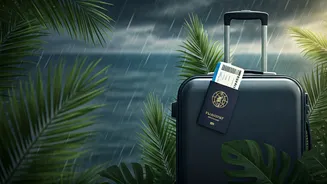
The biggest shift empowering monsoon travel isn't a change in weather patterns, but a change in policy. Spurred by the global travel disruptions of recent years, the industry has embraced a new standard of flexibility. Many hotels, and even some airlines, now offer "book with confidence" guarantees, free cancellation periods, or the ability to change dates with minimal penalties. This dramatically lowers the financial risk of planning a trip during a season known for unpredictability. A sudden downpour delaying a transfer or a localized flood warning is no longer a vacation-ending disaster. Instead, you can navigate it by shifting your itinerary a day or two, thanks to booking terms that finally acknowledge that life—and weather—happens. This allows you to book with the peace of mind that a washed-out plan won't wash out your wallet.
Strategic Destinations and Lower Costs
The "off-season" label for monsoon months comes with significant perks, namely fewer crowds and lower prices. This is where strategic planning pays off. While you might want to avoid specific beach destinations known for rough seas, it’s the perfect time to explore other areas. Think of the verdant tea plantations of Sri Lanka's hill country, the dramatic rice terraces of Ubud, Bali, or the majestic, rain-fed waterfalls throughout Southeast Asia. These places are arguably at their most beautiful during the monsoon. Furthermore, with fewer tourists, you get a more authentic experience and more attentive service. Accommodations can be a fraction of their high-season cost, and you won’t have to battle for a spot at popular temples or viewpoints. It’s a classic trade-off: exchange a bit of sunshine for deep discounts, lush scenery, and a more peaceful journey.
Packing and Planning for Rain
Embracing the monsoon means being prepared, not deterred. A flexible mindset is your most important asset, but a few practical items will make all the difference. Pack quick-drying clothes made from synthetic fabrics—cotton will stay damp for days. A lightweight, breathable rain jacket is essential, as is waterproof footwear or sturdy sandals that can handle getting wet. A small, quick-dry travel towel and a waterproof bag or dry sack for electronics and important documents are non-negotiable. Plan your activities accordingly. Mornings are often clear, making them ideal for outdoor exploration. Save the afternoons for indoor pursuits like a cooking class, a spa treatment, a museum visit, or simply enjoying the theatricality of a tropical storm from the comfort of a covered café.