
What Exactly Is a 'Street Flavor'?
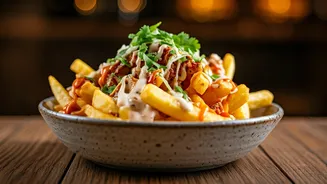
Forget generic 'spicy' or vague 'international.' The trend isn't just about heat; it's about specificity and authenticity. Think of 'street flavor' as a culinary postcard from a specific place. It’s not just corn-flavored, it's Mexican-style Elote, with
the distinct notes of cotija cheese, chili powder, and lime. It’s not just 'hot chicken,' it's Nashville Hot Chicken, a flavor profile so distinct it carries the identity of a city. These flavors are bold, complex, and often tied to a specific cultural experience. They replicate the experience of buying food from a vendor who has perfected one dish over decades—whether it’s birria from a Jalisco-style taqueria or tamarind candy from a Southeast Asian market. For brands, bottling this feeling of discovery and authenticity is the new gold rush.
The Generational Appetite for Authenticity
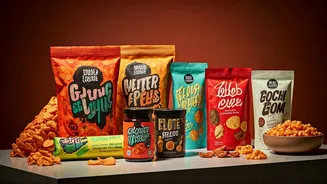
This flavor revolution is being driven primarily by Millennials and Gen Z, and it’s about much more than just taste. For these digitally native consumers, food is a form of identity, exploration, and social currency. Having grown up in a more multicultural America and with the world accessible via social media, their palates are inherently more adventurous. They don't just want to eat something; they want to experience its story. A bag of chips flavored with Tangy, Spicy, and Savory Trinidadian spices isn't just a snack; it's a micro-dose of culture. This desire is amplified by a rejection of the overly processed, generic foods of previous generations. Younger consumers prize transparency and 'real' ingredients, and the specificity of a street flavor signals a kind of authenticity that 'cheddar cheese' simply can't match.
The Social Media-to-Supermarket Pipeline
So how does a regional dish like birria become a flavor for chips and frozen meals? The answer, increasingly, is TikTok. Social media platforms have become the food industry's unofficial R&D department. A food trend can explode on TikTok, going from a niche recipe to a national obsession in a matter of weeks. Remember the viral video of someone dipping a taco into a rich, red consommé? Food companies certainly do. Their trend-spotters and data analysts monitor these platforms constantly, looking for the next big thing. Once a flavor gains viral traction, the race is on to translate it into a shelf-stable product. This pipeline shortens the innovation cycle dramatically, allowing major brands like Frito-Lay or Kraft Heinz to appear nimble and hyper-responsive to pop culture, turning a fleeting digital moment into a tangible, purchasable product.
Big Brands Get on the Bandwagon
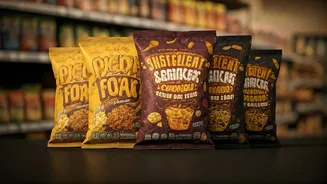
The proof is in the product aisle. Frito-Lay, a master of this game, has released a slew of street-inspired flavors, including Lay's Chile Mango and Cheetos Mexican Street Corn. Trader Joe's has built a cult following around its seasoning blends that distill these experiences, like its famous 'Everything but the Elote' shaker. Pringles regularly launches limited-edition regional flavors, creating a sense of urgency and collectability. It's not just snacks, either. Sauce and condiment aisles are overflowing with gochujang hot sauces, peri-peri marinades, and chili crunch oils—all products that bring a specific, global street-level heat into the home kitchen. These aren't niche items in specialty stores anymore; they are front-and-center at Walmart and Kroger, signaling a permanent shift in the American flavor landscape.