

Beyond 'Glamping'
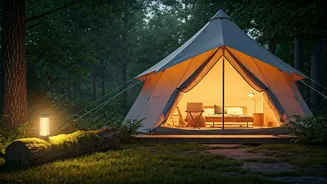
Let’s get one thing straight: this isn’t just glamping. While the glamorous camping trend certainly paved the way, the 'boutique nature' movement is its more sophisticated, design-conscious older sibling. It’s less about simply adding a comfortable bed
to a tent and more about a holistic, curated experience where architecture, interior design, and the natural landscape are in perfect harmony.
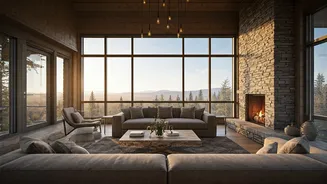
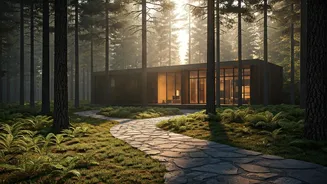
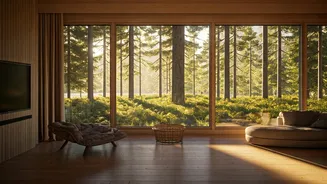
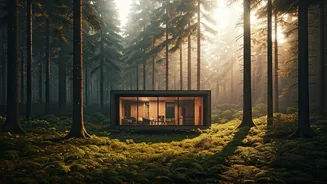
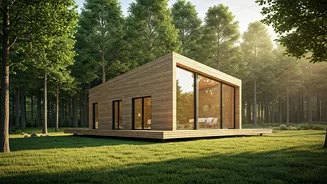
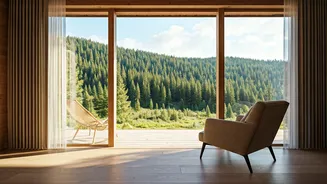
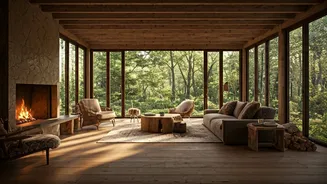
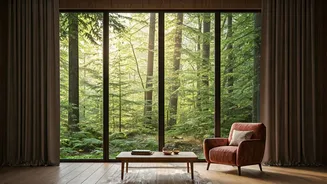
Think less festival-chic and more Architectural Digest. These are architect-designed cabins with floor-to-ceiling windows that frame the forest like a living painting. They are minimalist desert outposts where the structure is designed to disappear into the landscape. They are small, exclusive lodges that prioritize local craftsmanship, sustainable practices, and an almost monastic sense of peace. The luxury here isn't opulence; it's intentionality. Every detail, from the ceramic mugs made by a local artist to the sightlines from the soaking tub, is considered.
The 'Why Now' Factor
This trend didn't appear in a vacuum. It’s a direct response to several cultural currents. The most obvious driver is the post-pandemic hunger for open space and meaningful disconnection. After years spent indoors and online, Americans are craving nature, but not everyone is ready to forgo the comforts they’ve come to expect. The digital nomad and remote work boom also plays a role, creating a class of travelers who can seek out a quiet, Wi-Fi-enabled cabin for a week-long 'workcation.'
But the driving force is also aesthetic. In an era dominated by visual social media, the 'look' of a vacation is almost as important as the experience itself. These boutique properties are catnip for Instagram, offering a ready-made backdrop of aspirational tranquility. This isn’t a criticism, but an observation: people want to inhabit the beautiful, serene images they see on their feeds. This movement provides a tangible, bookable way to do just that.
The New Wilderness Vernacular
So, what does this stylish moment look like on the ground? It materializes in a few key forms. First, there's the rise of the high-design cabin company, like Getaway or AutoCamp. These brands offer standardized yet stylish micro-cabins or Airstreams in beautiful, semi-secluded locations, making a quick escape from the city effortless and chic. They’ve cracked the code on providing just enough rustic charm (a personal fire pit) with just enough modern convenience (a hot shower and a comfortable bed).
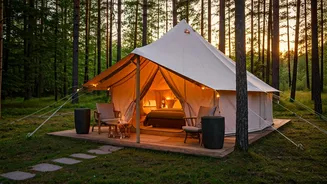
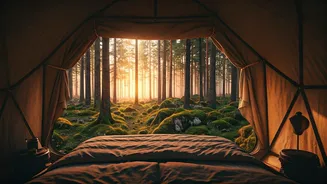
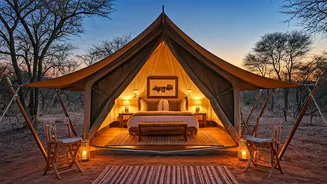
On the higher end, you have properties like Under Canvas or Collective Retreats, which have elevated the safari-tent concept to five-star levels near national parks like Zion and Yellowstone. These aren’t just tents; they are sprawling suites with West Elm furniture, wood-burning stoves, and private decks. And finally, there’s a growing ecosystem of one-off, architect-owned rentals and small lodges, from the Catskills to the California desert, that offer a deeply personal and unique take on the 'cabin in the woods.'
The Philosophy of Stylish Escape
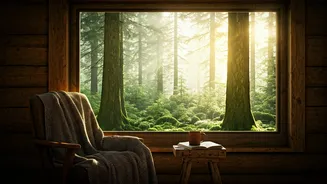
Ultimately, the rise of boutique nature travel speaks to a shift in our definition of luxury. It's moving away from excess and towards experience. The ultimate amenity is no longer a crystal chandelier but an unimpeded view of the stars. The most coveted service isn’t a 24-hour butler but the profound silence of a forest at dawn, enjoyed from a beautifully designed space.
This trend suggests a desire to connect with the natural world without the performative hardship that once defined 'roughing it.' It’s an admission that comfort and beauty can enhance our appreciation for the wild, not detract from it. It’s about using design not to tame nature, but to frame it, making it the undeniable star of the show.