

They Let Your Walls Breathe
The single biggest performance difference lies in a property called vapor permeability. Standard commercial paints, often called latex or acrylic emulsions, create a thin, plastic-like film on your walls. This film traps moisture. In humid areas like bathrooms
and kitchens, or in older homes with fluctuating temperatures, this can lead to moisture buildup, bubbling paint, and eventually, the growth of mold and mildew behind the paint's surface. Clay paints, by contrast, are highly “breathable.” Made from natural clays, minerals, and plant-based binders, they create a porous finish that allows water vapor to pass through the wall. This helps regulate indoor humidity naturally. Your walls can absorb excess moisture from the air when it's humid and release it back when the air is dry, contributing to a more comfortable and healthier living environment and reducing the risk of hidden mold.
They Genuinely Improve Air Quality
The term “chemical emulsions” points to a complex cocktail of synthetic ingredients. Many standard paints contain Volatile Organic Compounds (VOCs), which are chemicals that turn into gas at room temperature. These can cause headaches, dizziness, and respiratory issues, and they continue to “off-gas” for weeks or even years after the paint has dried. While many brands now offer “low-VOC” or “zero-VOC” options, the label can be misleading. Often, this only applies to the base paint, and the colorants added at the store can reintroduce VOCs. True clay paints are fundamentally different. They are typically made without any VOCs, synthetic solvents, or toxic chemicals. They don't have that potent “new paint smell” because there are no harmful chemicals evaporating into your air. This makes them an ideal choice for nurseries, bedrooms, and for anyone with allergies, asthma, or chemical sensitivities.
The Finish is Rich and Luminous
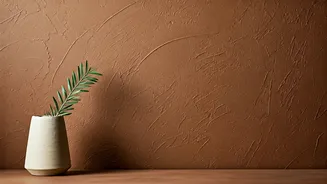
Performance isn't just about durability; it's also about aesthetics. Commercial emulsion paints offer finishes like matte, eggshell, and satin, but they all tend to have a uniform, plastic-like quality. A flat latex paint can look dull and lifeless. Clay paint offers a completely different visual experience. Its finish is uniquely soft, deep, and velvety, with a subtle texture that absorbs and reflects light in a way that synthetic paints cannot. This creates a sense of depth and luminosity that feels far more organic and high-end. The mineral pigments used in clay paints provide a richness and complexity of color that looks different throughout the day as the light changes. It’s a finish that adds character and warmth to a room, something a cheap emulsion can’t replicate.
They Are Naturally Odor-Absorbent
Beyond not releasing odors of their own, clay-based paints can actually help purify the air in your home. The same porous structure that allows clay to manage humidity also helps it absorb ambient odors and pollutants. While it’s not a replacement for a dedicated air purifier, walls coated in clay paint can contribute to a fresher-smelling home by passively pulling odors from cooking, pets, or smoke out of the air. Commercial chemical paints do the opposite. Not only do they off-gas their own chemical smells, but their non-porous surface does nothing to mitigate other household odors. For a truly fresh-feeling space, clay paint offers an active benefit that goes far beyond just adding color.
They Are Surprisingly Durable and Easy to Repair
A common misconception is that natural paints are less durable. While it's true that a high-gloss acrylic might be easier to scrub, clay paints are durable in a different way. The color is not a thin film on the surface; it's integral to the material itself, thanks to the mineral pigments. This means they are far less prone to fading from sunlight. More importantly, they are exceptionally easy to touch up. When a wall painted with a commercial emulsion gets scuffed or chipped, repainting a small patch is often impossible without it being noticeable—a phenomenon known as “flashing.” You usually have to repaint the entire wall. With clay paint, its matte, textured finish allows for seamless spot repairs. A dab of leftover paint on a scuff mark will typically blend in perfectly once dry, making long-term maintenance much simpler.