

What Exactly Is Moringa?
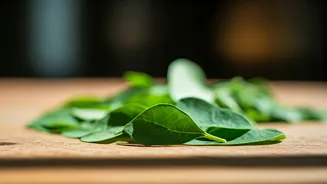
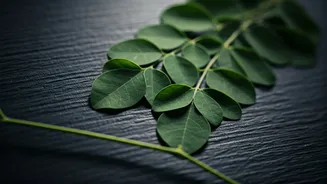
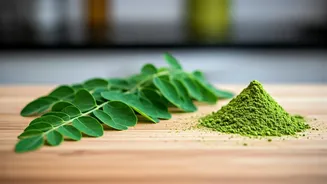
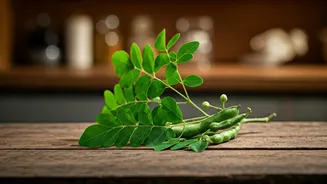
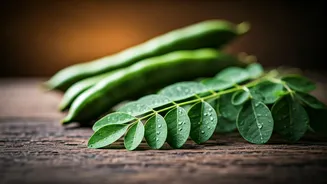
If you haven’t heard of moringa yet, you’re not alone. But this plant is rapidly moving from niche health food stores into the mainstream American pantry. Moringa oleifera, often called the “drumstick tree” or “miracle tree,” is a plant native to parts
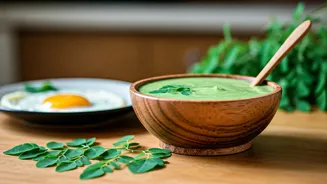
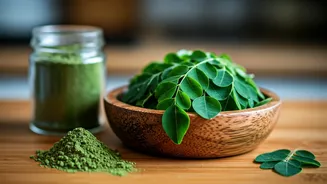
of India and Africa. For centuries, its leaves, pods, and seeds have been used not just for food but also in traditional medicine. In the U.S., you're most likely to find it sold as a fine, bright green powder made from the dried leaves. This powder has a mild, earthy flavor, often compared to spinach or matcha. Its subtle taste and versatile form are precisely what make it so easy to incorporate into dishes you already know and love, without requiring a culinary overhaul.
A Verified Nutritional Powerhouse
The hype around moringa isn't just talk; it’s backed by a genuinely impressive nutritional profile. According to the Cleveland Clinic, moringa is packed with vitamins and minerals. A single tablespoon of the powder can provide a notable amount of iron, calcium, vitamin C, vitamin A, and potassium. It's also a source of plant-based protein and is rich in antioxidants, compounds that help fight cell damage in the body. However, it's important to approach it with a balanced perspective. Moringa is a supplement, not a cure-all. While it’s a fantastic way to boost your nutrient intake, it works best as part of a balanced diet. As with any new supplement, it's wise to consult with a healthcare provider before adding moringa to your routine, especially if you are pregnant, nursing, or taking medications for conditions like diabetes or high blood pressure, as it can interact with them.
Your Morning Smoothie Upgrade
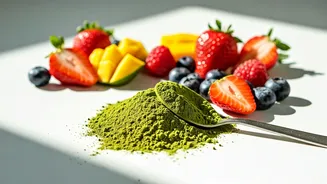
The simplest and most popular way to start using moringa is by adding it to your morning smoothie. Its earthy flavor profile pairs beautifully with sweet and tropical fruits that can easily balance it out. Think bananas, mangos, pineapples, and berries. A creamy element like yogurt, almond milk, or half an avocado can also smooth out its slightly grassy notes. Start small to see how you like the taste—one or two teaspoons is plenty for a single-serving smoothie. Just toss it in with your other ingredients and blend. You’ll get a vibrant green drink and a seamless infusion of vitamins and minerals to kickstart your day, without a chalky texture or overpowering aftertaste.
A Savory Twist on Soups and Sauces
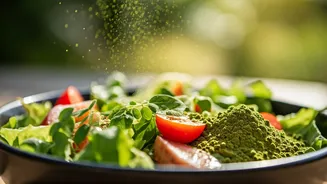
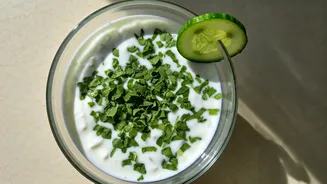
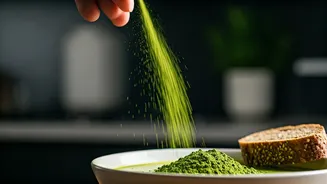
Don’t just limit moringa to sweet applications. Its savory potential is immense. Because the powder dissolves easily in liquids, it’s a brilliant, covert addition to soups, stews, and sauces. Whisk a tablespoon into a pot of lentil soup or a hearty vegetable stew in the last few minutes of cooking to preserve its nutrients. It can also elevate your favorite sauces. Try blending it into a homemade pesto for an extra antioxidant kick or mixing it into a vinaigrette for a supercharged salad dressing. It even works well in guacamole, where its green color and earthy taste blend in perfectly. The key is to add it toward the end of the cooking process or into unheated dishes, as high heat can degrade some of its delicate vitamins.
Baking with a Green Secret
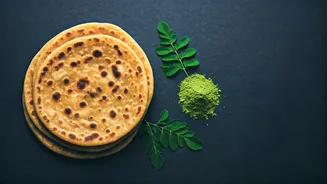
Ready to get more creative? Start baking with moringa. It can add moisture, a fun green hue, and a hidden layer of nutrition to your favorite baked goods. The flavor becomes even milder when cooked, making it an ideal secret ingredient. Try adding a tablespoon to your pancake or waffle batter for a nutritious breakfast. When making muffins or quick breads, you can substitute a small portion of the flour—about a tablespoon or two—with moringa powder. It’s also a fantastic addition to no-bake energy balls, where it can be mixed with oats, dates, and nut butter for a healthy on-the-go snack. It’s a simple swap that transforms a standard treat into something with a little more substance.