




Not Your Grandfather’s Gold Rush
When you picture buying gold, you might imagine a hushed dealer examining a coin with a loupe or a nervous buyer lugging heavy bars. For a growing number of Gen Z investors, it’s as simple as tapping a few buttons on an app. This isn't about owning physical
bullion stored under a mattress. Instead, they are buying 'digital gold' or fractional shares of the precious metal through fintech platforms like Vaulted, OneGold, and even broad-based investment apps that have added commodities to their menus. These services shatter the old barriers to entry. Historically, buying gold was cumbersome and expensive. You had to deal with high premiums over the spot price, storage costs, and insurance. The new app-based model allows users to buy gold in increments as small as one dollar. This fractional ownership means a young person with limited capital can start building a position in gold without needing thousands of dollars, making it as accessible as buying a share of an ETF or a slice of a cryptocurrency.
The Psychology of a Digital Hoard
So, why gold, and why now? The answer lies in the unique economic and psychological landscape Gen Z has inherited. This is a generation that came of age witnessing financial crises, a global pandemic, soaring inflation, and the whiplash volatility of meme stocks and crypto. Their financial worldview is shaped by a deep-seated distrust of traditional institutions and a pragmatic search for stability. For many, gold represents a tangible hedge against the very chaos they see online and in their bank accounts. While their parents might have trusted in a 60/40 stock-and-bond portfolio, some Gen Z investors view gold as a reliable store of value that isn't tied to the performance of a specific company or government fiat currency. It’s an 'anti-fiat' asset that feels more real than the digital dollars that seem to be losing purchasing power. This sentiment is amplified across social media, where #FinTok influencers often frame gold as a foundational, 'old-money' secret to weathering economic storms.
From Clicks to Costco
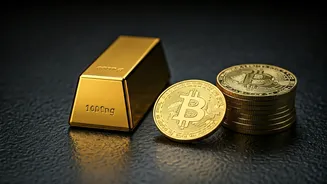
The digital-first approach doesn't mean the desire for the physical has vanished. In fact, the app-based trend is a gateway that seems to be fueling a broader interest in tangible assets. Look no further than the viral phenomenon of Costco selling out of one-ounce gold bars. The buyers, many of whom were younger than the typical precious metals investor, were comfortable making a significant purchase from a trusted retail brand, often after researching and tracking prices on their phones. This hybrid behavior—digital discovery leading to physical ownership—is a hallmark of the Gen Z consumer. Apps provide the frictionless, low-cost entry point to 'test' the asset. As an investor's stake grows, some platforms even offer the ability to convert their digital holdings into physical bars or coins delivered to their door. It’s the best of both worlds: the convenience of modern finance with the timeless security of a physical asset.
An Old Hedge for a New Portfolio
Is this just a passing fad, or does it signal a lasting shift? While Gen Z is still heavily invested in equities and ETFs, their allocation to alternatives like gold is noteworthy. Unlike the crypto boom, which was driven by the promise of explosive, high-risk gains, the move toward gold appears to be motivated by a more conservative impulse: wealth preservation. It’s less about getting rich quick and more about not getting poor slowly as inflation eats away at savings. In this context, gold isn’t replacing stocks or even crypto in their portfolios. Instead, it’s being added as a stabilizing element, a diversification tool taught not in a stuffy economics class but through lived experience and peer-to-peer discussion online. They are using 21st-century tools to embrace a financial strategy that has been around for millennia, suggesting that for the world’s first truly digital-native generation, some of the oldest ideas still hold the most weight.