
The Gilded Green Paradox
Let’s be clear: a 10,000-square-foot apartment atop a steel-and-concrete skyscraper will never be a model of minimalist, off-the-grid living. The energy required to construct the building, power its elevators, and climate-control its expansive, glass-walled
spaces is immense. So when we talk about sustainability in this context, it’s not about achieving a net-zero footprint. It's about a dramatic and deliberate effort to mitigate the *additional* impact of the interior fit-out. Instead of shipping marble from an Italian quarry, designers are sourcing stone locally. Instead of virgin materials, they're finding exquisite ways to use reclaimed ones. It’s a paradigm shift from pure opulence to conscious consumption, where the story behind a material becomes as valuable as the material itself.
Beyond Bamboo Floors and Recycled Glass
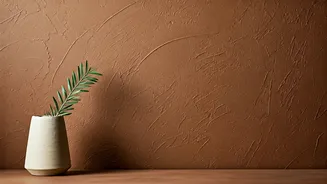
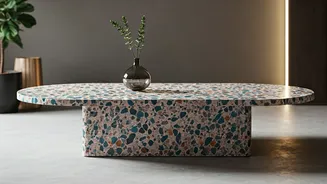
The first wave of eco-friendly design was well-intentioned but aesthetically limited. Today’s sustainable luxury goes far beyond the clichés. We're seeing entire walls finished in non-toxic clay plaster that naturally regulates humidity, reducing the load on HVAC systems. Kitchens feature countertops made from recycled artisanal glass or terrazzo blended with salvaged stone chips. The most sought-after wood flooring might come from reclaimed 19th-century industrial beams, each plank bearing a unique history. Technology is also pivotal. Sophisticated smart-home systems use predictive algorithms to optimize energy, adjusting lighting, shades, and temperature based on occupancy, time of day, and even the angle of the sun. It’s a hyper-efficient approach hidden behind a veneer of seamless comfort.
The Rise of Biophilic Interiors
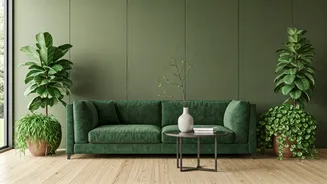
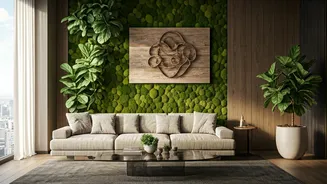
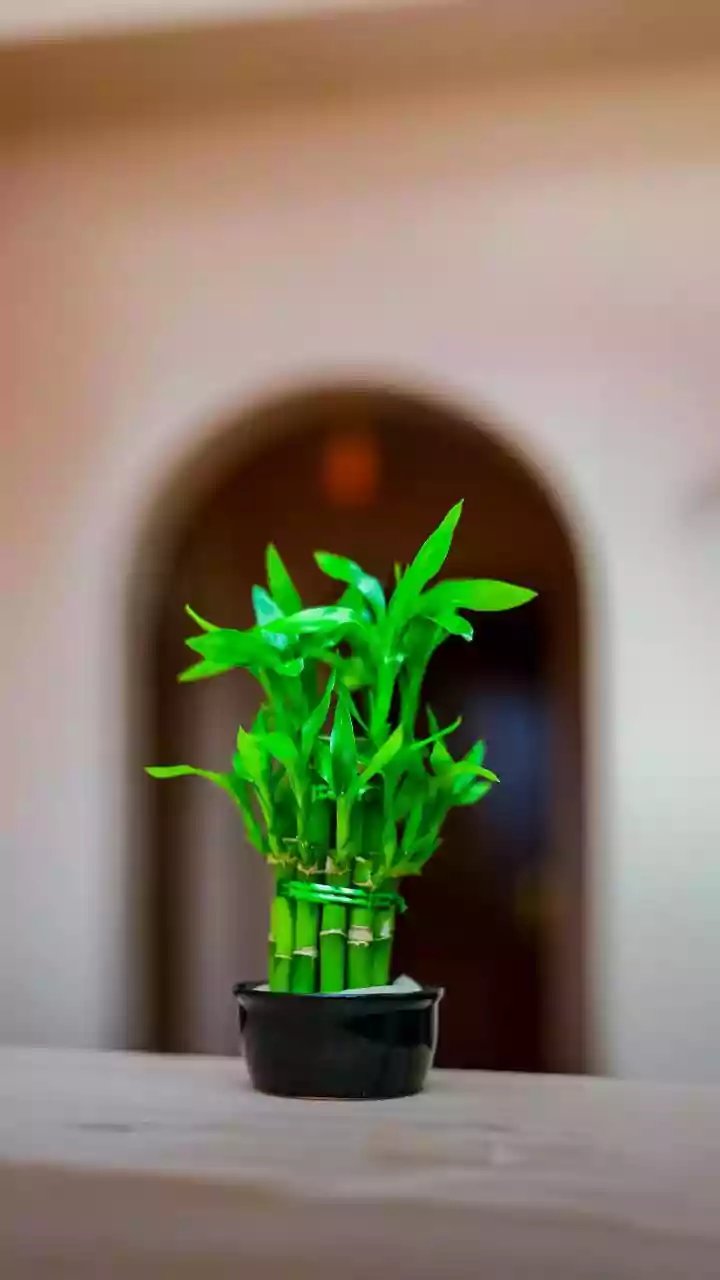
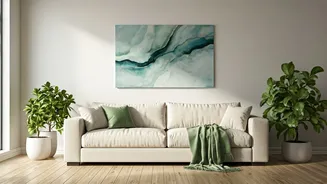
One of the most powerful trends in this space is biophilic design—the practice of connecting people and nature within a built environment. In a penthouse floating high above the city, this connection becomes a crucial anchor. It manifests as more than just a few potted plants. We're talking about soaring interior 'living walls' irrigated by captured rainwater, internal courtyards that open to the sky, and layouts that prioritize natural light and air circulation to an obsessive degree. These features are not just beautiful; they’re functional. Studies show that proximity to nature reduces stress and can even improve air quality. For a penthouse owner, creating a personal sanctuary that feels alive is a powerful expression of wellness and wealth.
A New Kind of Status Symbol
So why is this happening now? The motivations are complex. For some owners, it's a genuine desire to align their personal space with their values. But for many, it’s also the new frontier of social signaling. In a world where anyone with enough money can buy a gold faucet, the ability to say your dining table was crafted from a naturally fallen tree on your country estate is a far more compelling story. Conspicuous consumption is evolving into 'conspicuous conservation.' This trend is driven by a desire for authenticity and uniqueness. A custom-milled floor from a historic barn is, by definition, one-of-a-kind. It can't be ordered from a catalog. This exclusivity—rooted in responsibility rather than extravagance—is the new calling card for the ultra-elite.