
Beyond Multipurpose
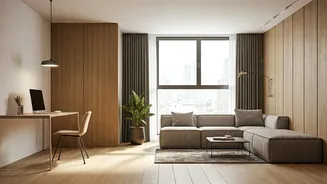
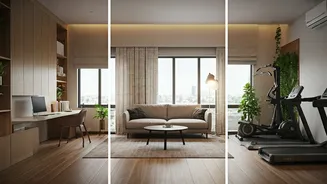
We’re all familiar with multipurpose rooms—the guest room that doubles as an office, or the living room that hosts movie nights and yoga sessions. But a 'multi-mood' space goes a step further. It isn’t just about cramming different functions into one
area; it’s about intentionally curating the atmosphere to support each activity. Think of it as theatrical set design for your daily life. By manipulating key elements like light, sound, scent, and texture, you can transform a single room's entire feel, signaling to your brain that it’s time to switch gears. This approach helps create psychological boundaries that are crucial for well-being, especially when the physical boundaries between work, life, and wellness have dissolved.
The Fitness Zone: Energy and Movement
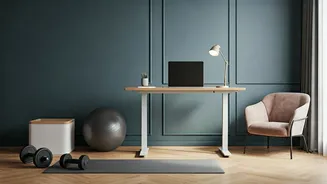
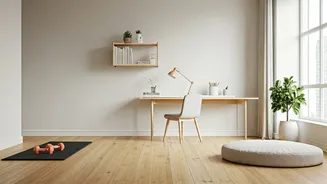
When it's time to work out, you need energy. The goal is to create a pocket of motivation that can appear on demand. Start with your sensory cues. Create a high-energy playlist and designate a specific Bluetooth speaker for workout time. Consider using a cool, bright light setting, perhaps from a smart bulb, to mimic the invigorating light of a gym or a sunny morning. Furniture and storage are key. A decorative trunk or a stylish credenza can hide yoga mats, weights, and resistance bands, keeping them out of sight until needed. The act of pulling out your equipment becomes a ritual that signals the start of your fitness routine. A full-length mirror can be both a decorative piece and a functional tool for checking your form, making the space feel more like a dedicated studio.
The Work Hub: Focus and Productivity
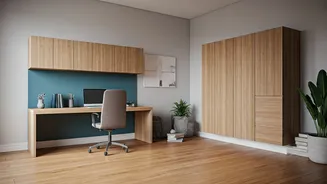
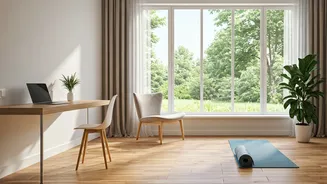
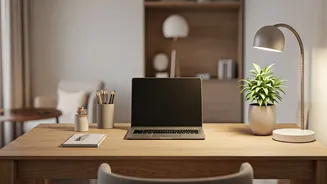
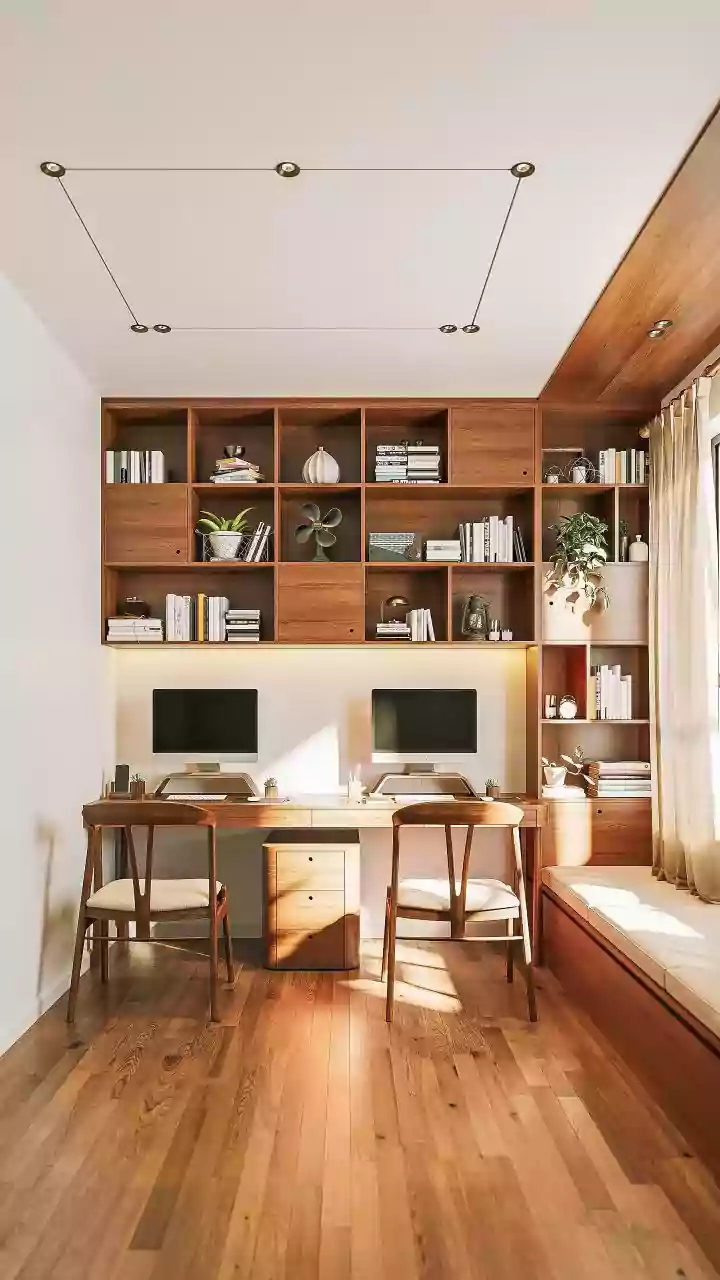
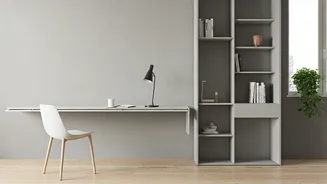
Transitioning from a workout to work requires a shift from physical energy to mental focus. The first step is decluttering. The yoga mat goes away, and the laptop comes out. A 'cloffice' (closet office) or a fold-down desk are great solutions for small spaces, as they allow you to literally close the door on work at the end of the day. Lighting is your most powerful tool here. Swap the energetic workout light for a neutral, focused task light over your desk area. This directs your attention and reduces eye strain. If possible, position your workspace to face a window for natural light, but avoid having a window directly behind your screen, which can cause glare. The goal is to create a clean, organized, and well-lit bubble that tells your brain: 'This is where focus happens.'
The Relaxation Retreat: Calm and Restoration
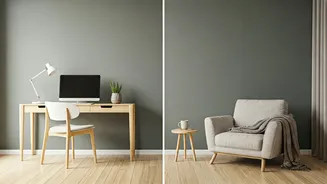
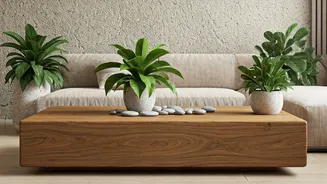
At the end of the day, the same space needs to become a haven for deep relaxation. This transition is perhaps the most important. It begins by putting away all traces of work and fitness. The laptop is closed, the desk is cleared. Now, you soften everything. Switch the smart bulbs to a warm, dim, amber-toned light that mimics sunset or candlelight. This signals to your body's circadian rhythm that it's time to wind down. Introduce soft textures: a plush throw blanket over the arm of a chair, a soft rug underfoot, or comfortable floor cushions. Engage your sense of smell with a calming essential oil diffuser—lavender, chamomile, or sandalwood are classic choices. By layering these sensory inputs, you create an immersive environment for reading, meditating, or simply being still.
The Tools of Transformation
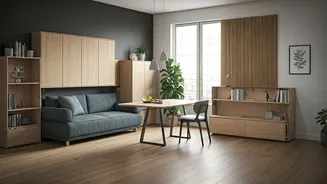
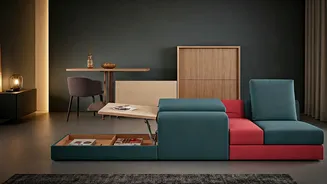
Making these mood shifts seamless relies on a few key design strategies. Modular and transitional furniture is your best friend; think of nesting coffee tables that can be separated for more floor space or an ottoman with hidden storage. Smart lighting systems are a game-changer, allowing you to change a room's entire color temperature and brightness with a tap on your phone. Finally, invest in smart storage solutions that make tidying up between 'moods' quick and effortless. The easier it is to transition, the more likely you are to do it.