



The Bittersweet Burden of Bounty
Every home gardener and farmers' market regular knows the feeling. In May, you dream of fresh basil and sun-ripened tomatoes. By August, you’re drowning. The crisper drawer is a graveyard for well-intentioned kale, and the counter is a still life of fruit
flies feasting on overripe peaches. According to the USDA, a staggering 30-40% of the U.S. food supply becomes food waste. At home, that figure translates to pounds of produce that we buy, grow, or receive with the best intentions, only to see it spoil. This is especially true in summer, when nature’s rhythm outpaces our appetite. A sudden hailstorm knocks dozens of green, unripe tomatoes from their vines. The CSA box delivers another five pounds of summer squash. We pledge to eat it all, but life gets in the way. We can only eat so many salads. This is where most of us see a problem, but where cultures with a longer history of seasonal living see an opportunity.
Enter Kairi: The Unripe Hero
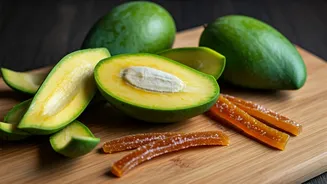
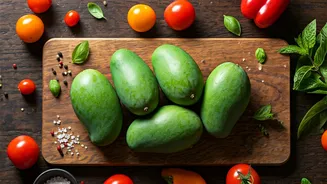
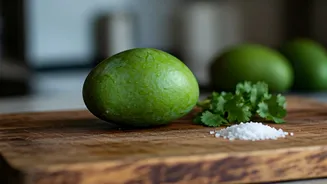
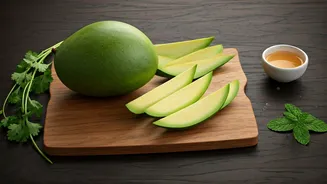
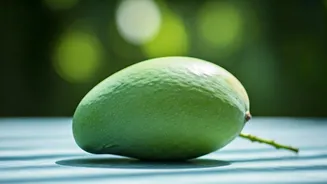
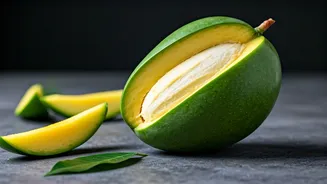
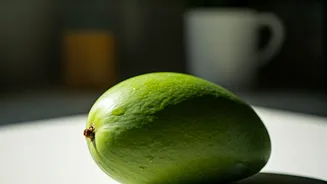
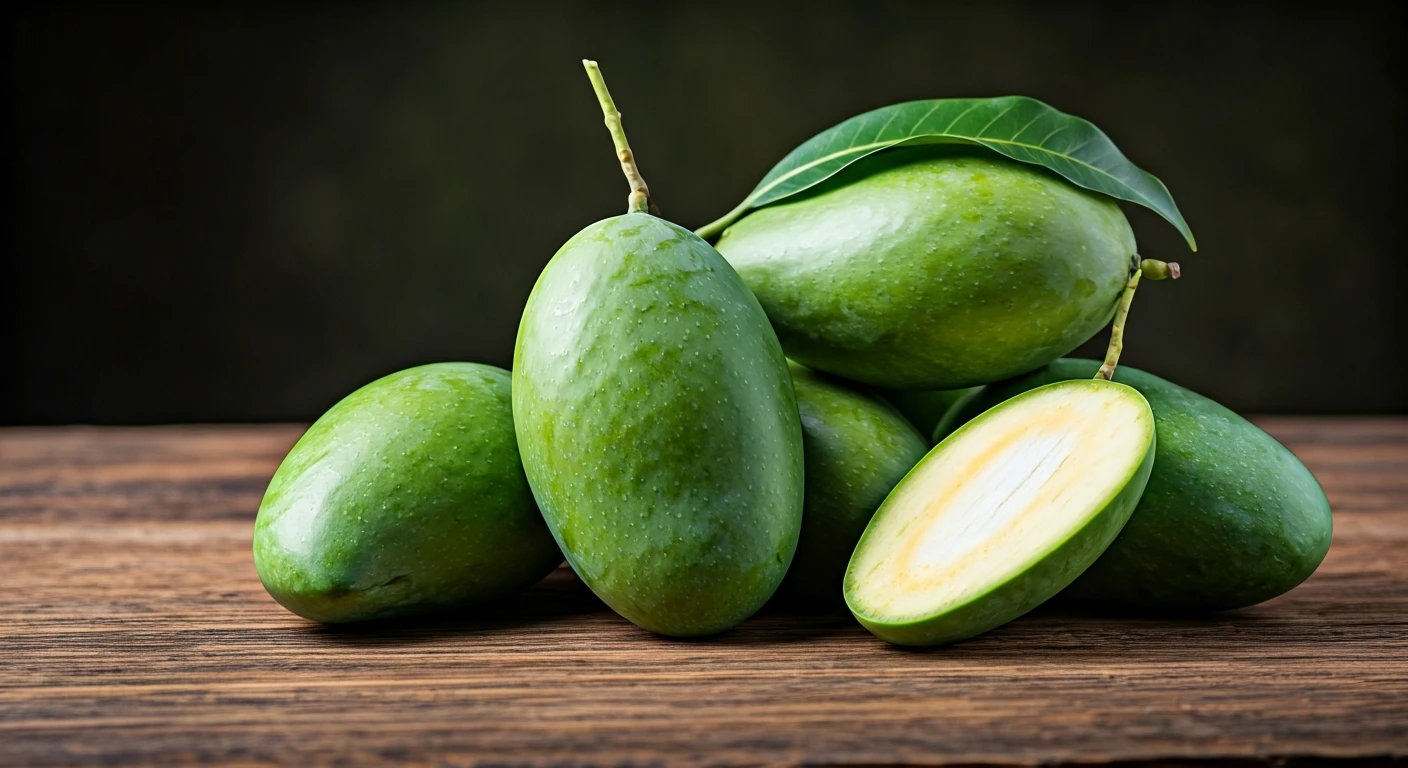
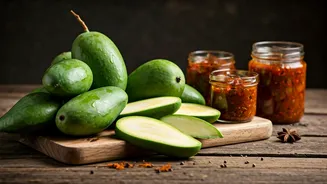
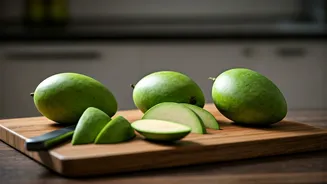
In much of India, the arrival of the first hard, green, incredibly sour mangoes of the season is cause for celebration. These are 'Kairi,' the bedrock of one of the country's most beloved culinary traditions: Aam ka Achar, or raw mango pickle. While a Western palate might dismiss the Kairi as inedible—rock-hard, unpleasantly tart, and a world away from its sweet, orange final form—in India, it’s a prized ingredient. It represents potential. This isn't just a quaint tradition; it's a brilliant food preservation strategy. By harvesting mangoes when they are unripe, families secure a portion of the crop before it's vulnerable to weather, pests, or simply falling and rotting. They take something that isn't 'ready' by one standard and transform it into a shelf-stable treasure that will last for a year or more, long after fresh mango season has passed.
The Science of a Solution
The process behind Kairi pickle is a masterclass in low-tech food science. The unripe mangoes are chopped, skin and all, and tossed with a large amount of salt. The salt acts as a primary preservative, drawing water out of the fruit cells through osmosis. This makes the environment inhospitable to the bacteria that cause spoilage. After a period of salting, the mango pieces are mixed with a symphony of spices—turmeric, red chili powder, fenugreek, fennel seeds, and mustard—and submerged in oil. The oil creates an anaerobic seal, further protecting the pickle from air and microbial growth. The result is not a side dish, but a condiment powerhouse: a complex burst of salty, sour, spicy, and savory that can elevate a simple meal of rice and lentils into something spectacular. It’s a technique born of necessity, perfected into an art form.
Applying the Kairi Philosophy
You don't need access to green mangoes to adopt this mindset. The 'Kairi solution' is a philosophy that can be applied to almost any summer surplus. Think of it as 'pre-cycling' your potential food waste. Those green tomatoes knocked down by a storm? Don't mourn them. Chop them, salt them, and turn them into a green tomato pickle with garlic and dill. Got a glut of zucchini or summer squash? Grate it, salt it heavily to remove excess water, squeeze it dry, and pack it in olive oil with herbs for a preserved topping for toast or pasta. Even underripe peaches or plums, too sour to eat fresh, can be chopped and given a similar salty, spicy treatment. The core principles are the same: use salt to draw out water and create an inhospitable environment for spoilage, then add flavor and a protective layer of oil. It’s a method for capturing the essence of a difficult ingredient and transforming it.