
The Promise: An Ocean of Mangoes
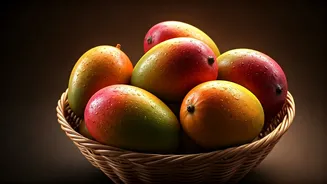
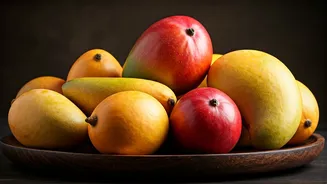
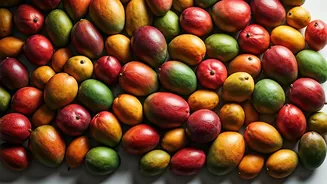
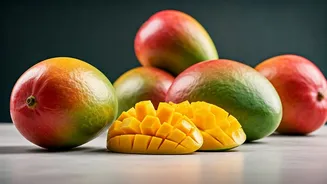
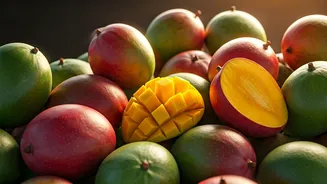
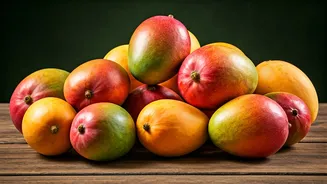
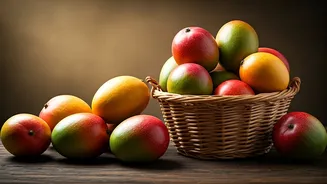
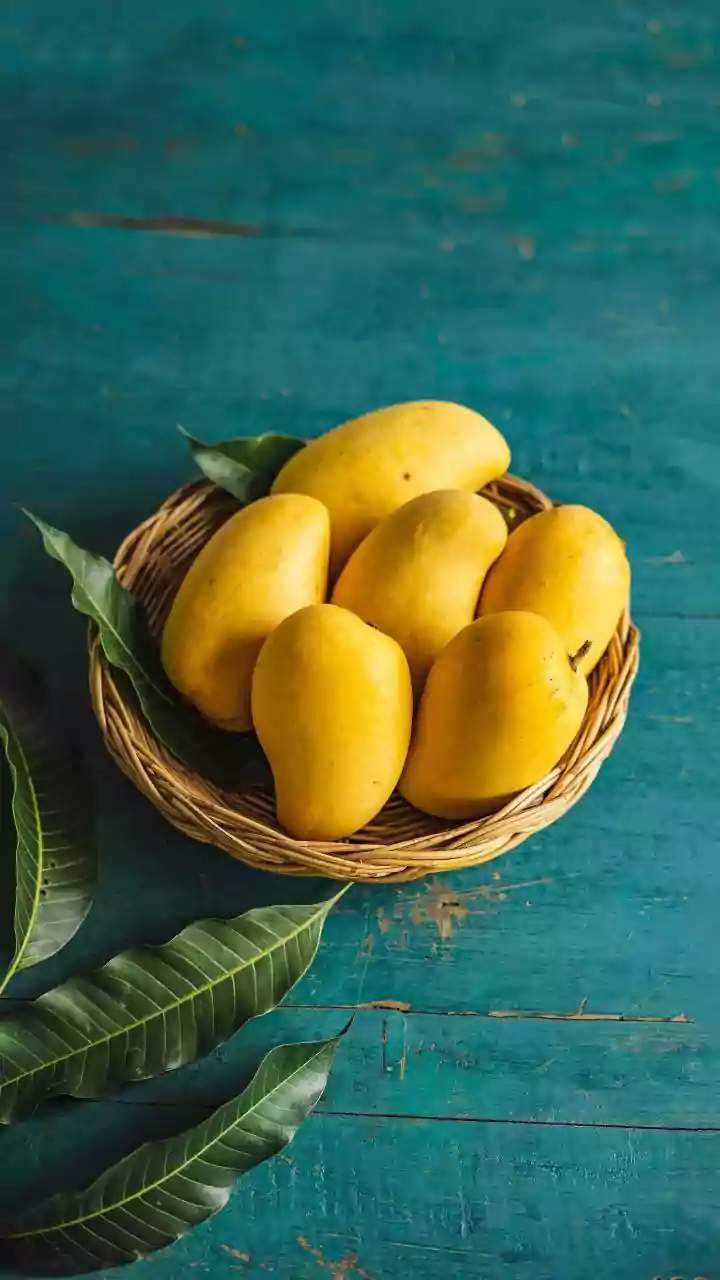
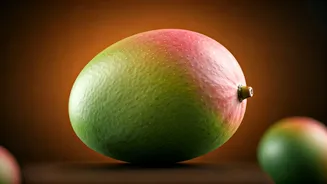
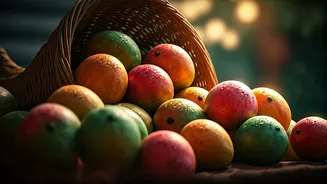
The online hype paints a very specific picture. It’s one of endless tables piled high with hundreds of mango varieties, each more fragrant and exotic than the last. You see names you may have only heard of in whispers from food-obsessed friends: the prized
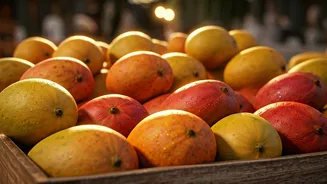
Alphonso, the sweet Dasheri, the tangy Langra, and the honeyed Chausa. The International Mango Festival, often held at a bustling venue like Dilli Haat, promises an immersion into the world of India’s national fruit. For a mango lover, the photos suggest a pilgrimage site—a place to sample rare cultivars, talk to farmers, and witness the sheer, unadulterated devotion a country has for its favorite fruit. The visuals are intoxicating: a sensory overload of yellow, orange, and gold, promising the taste of a perfect summer.
The Reality: Heat, Hype, and Humanity
Here's the part the perfectly cropped Instagram photos leave out: Delhi in July is hot. And not just “wear-a-hat hot,” but a sweltering, humid, 100-degree-plus kind of heat that can sap your energy before you’ve even tasted your first mango. The festival is also incredibly popular with locals, which is wonderful for authenticity but means you’ll be navigating dense crowds. This is not a serene, farmers-market-in-Napa kind of vibe. It’s a loud, chaotic, and wonderfully vibrant Indian fair. You’ll be jostling for space, waiting in lines, and trying to make yourself heard over the din of vendors, musicians, and thousands of fellow mango enthusiasts. If you’re expecting a quiet, curated tasting experience, you will be sorely disappointed. If you embrace it as part of the adventure, you’re on the right track.
It's More Than Just Fruit
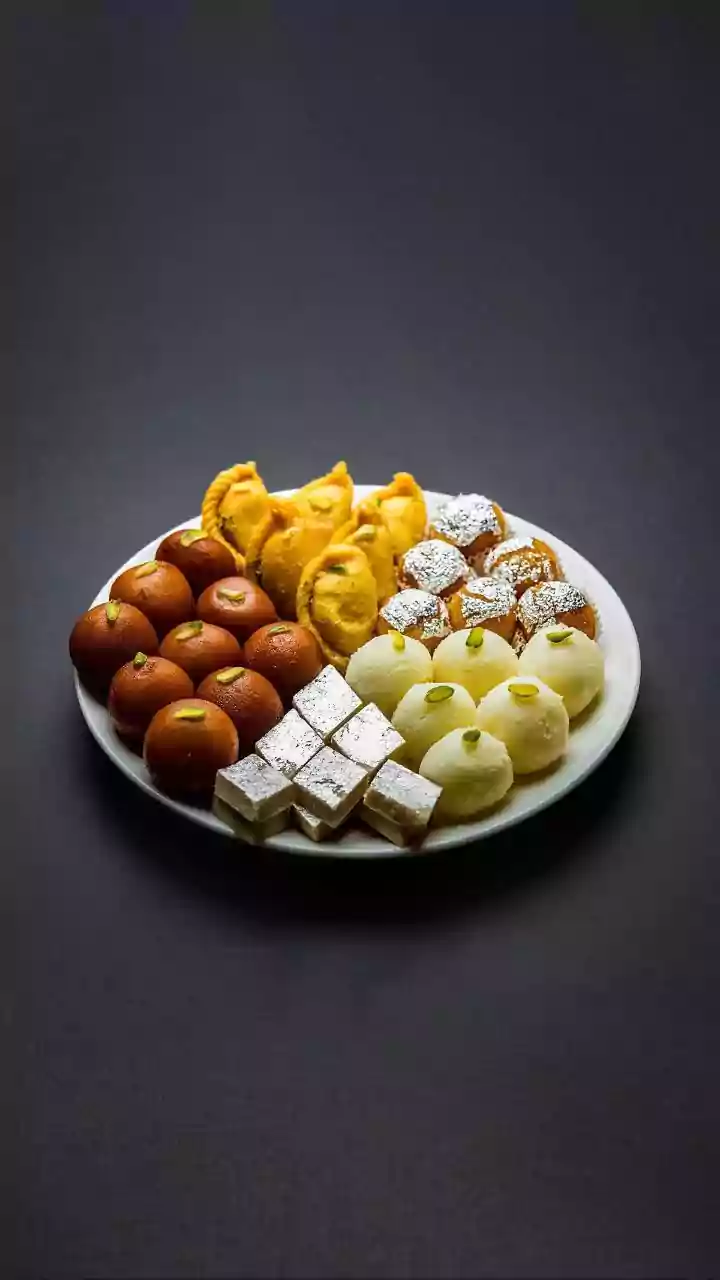
While buying a crate of fresh mangoes is a primary goal for many, the festival’s true charm lies in its celebration of all things mango. The experience goes far beyond simply sampling raw fruit. Food stalls are a main attraction, serving up a dizzying array of mango-infused creations. Imagine cooling down with a rich mango lassi (a yogurt drink), a scoop of creamy mango kulfi (traditional Indian ice cream), or even trying savory dishes with a tangy, unripe mango twist. There are also mango-eating competitions—messy, hilarious spectacles—and cultural performances like folk music and dance. The festival is a showcase of creativity, demonstrating how the fruit is woven into the fabric of Indian cuisine and culture. It’s a place to eat mangoes, drink mangoes, and even watch people competitively devour mangoes.
A Pro-Traveler's Game Plan
To make the most of the festival, you need a strategy. First, go early. The best and rarest varieties can sell out by midday, and the crowds are slightly more manageable in the morning before the peak afternoon heat sets in. Second, bring cash, and in small denominations. While some vendors may have digital payment options, cash is still king at a bustling fair like this. Third, hydrate. This cannot be stressed enough. Alternate your mango samples with bottles of water. Finally, be adventurous but also be selective. Many vendors offer free samples. Use this opportunity to taste before you buy a whole box. Talk to the farmers—they are passionate about their produce and can guide you to a mango that suits your palate, whether you prefer sweet, tangy, or fibrous.
The Verdict: So, Is It Worth It?
Yes, but with a crucial caveat: it’s worth it if you’re the right kind of traveler. If you are an adventurous foodie who thrives on vibrant, chaotic cultural experiences and genuinely loves mangoes, then absolutely. It's an unforgettable immersion into a cornerstone of Indian summer. However, if your ideal food event involves air conditioning, small crowds, and neatly organized tasting flights, this isn't it. The Delhi Mango Festival isn't designed for the casual tourist; it’s a heartfelt, sometimes overwhelming, celebration for the people. The online hype captures the beauty of the fruit, but it misses the beautiful, messy humanity of the experience.