


Welcome to the Queen of Hill Stations
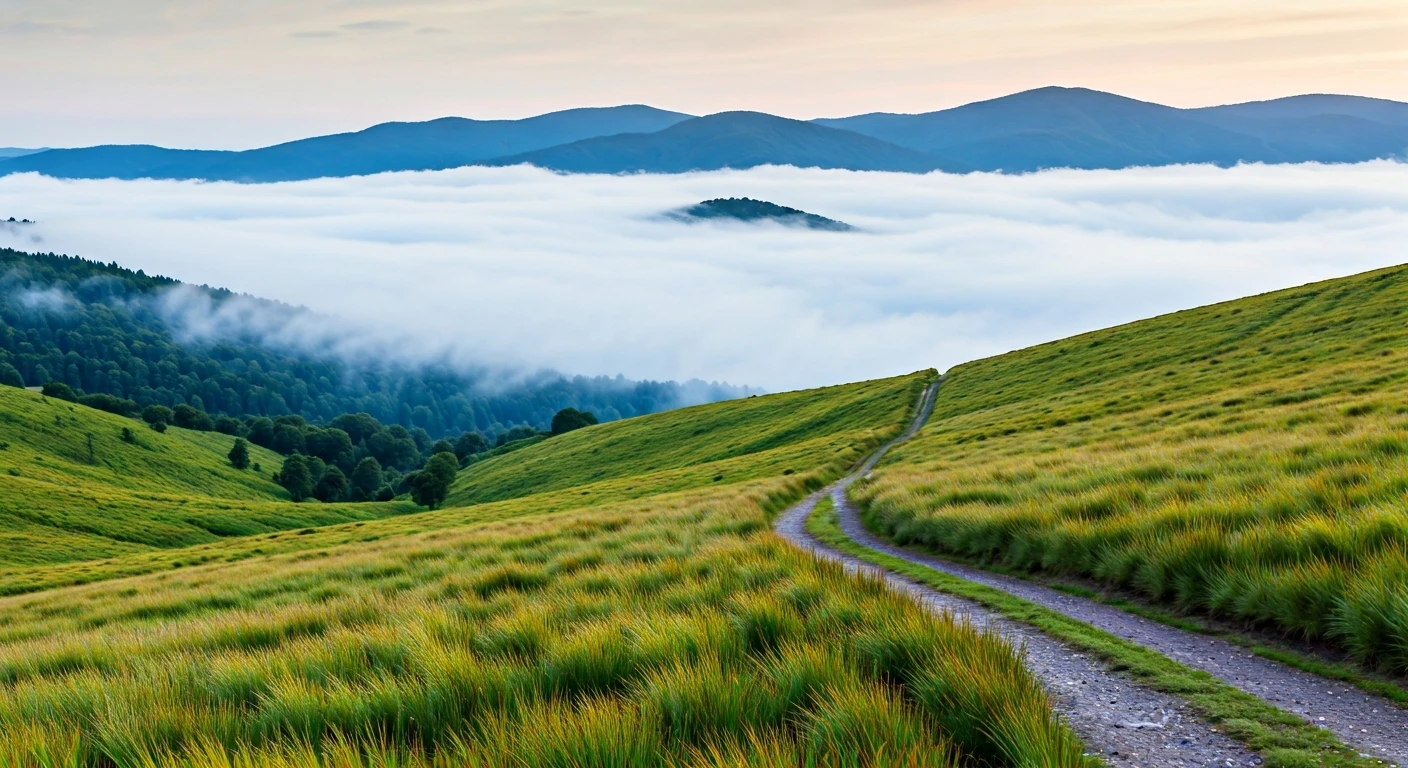
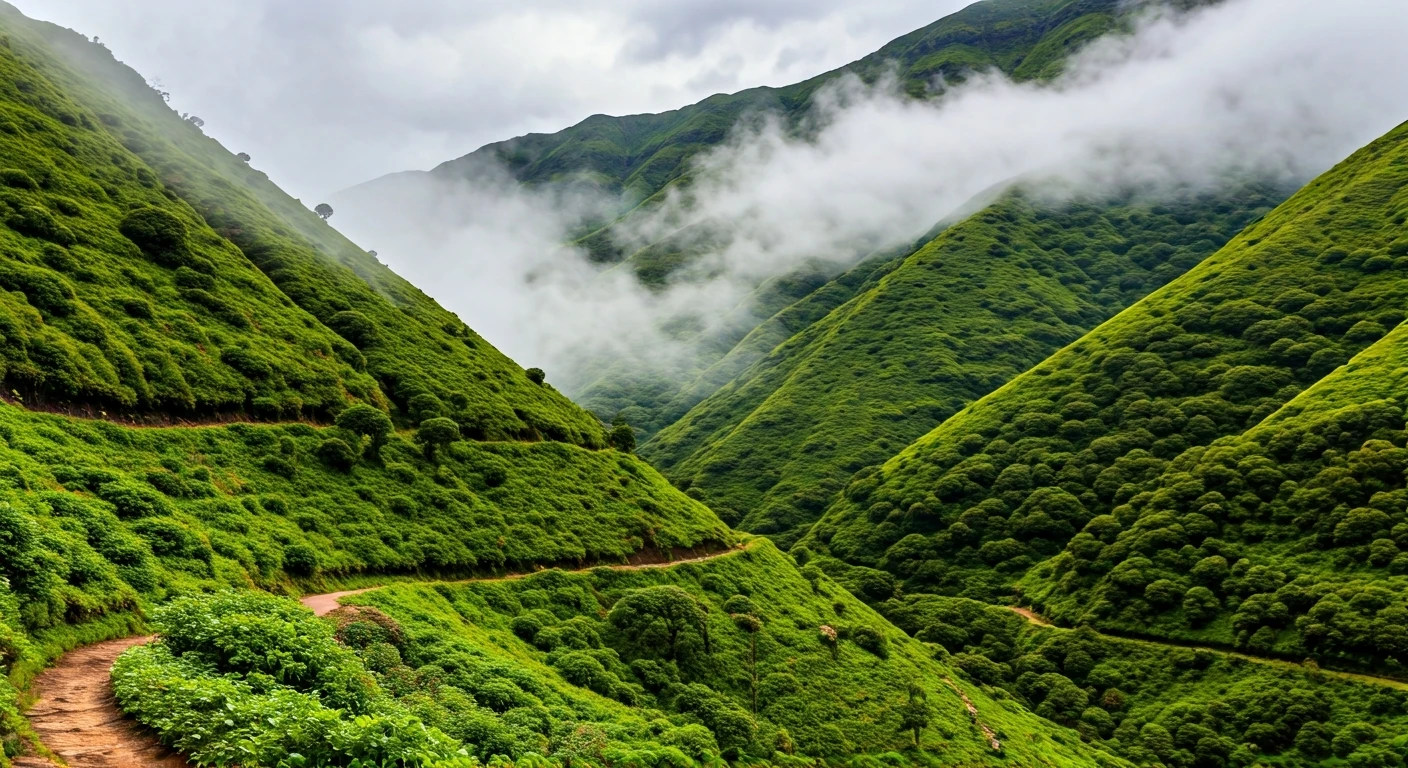
Imagine escaping 100-degree heat by simply driving uphill. That’s the magic of Udhagamandalam, universally known as Ooty. Perched over 7,300 feet above sea level in the Nilgiri Hills, or “Blue Mountains,” this South Indian resort town is a world away
from the tropical plains below. While cities like Chennai and Bangalore bake, Ooty enjoys sweater weather, with daily highs often hovering in the comfortable 60s and 70s. This dramatic temperature drop isn’t a new discovery; it’s the very reason Ooty exists. For generations, it has served as a coveted refuge, earning its enduring nickname: the “Queen of Hill Stations.” The air here feels different—thin, crisp, and scented with the resinous perfume of eucalyptus trees that line the winding roads.
A Living Relic of the British Raj
To understand Ooty is to understand the British Empire in India. In the 19th century, British administrators, soldiers, and their families found the relentless Indian summers unbearable. They sought out high-altitude locations that mimicked the temperate climate of home, establishing a network of “hill stations” across the subcontinent. Ooty became one of the most prestigious. It served as the official summer capital of the Madras Presidency, a vast administrative region. Colonial officials would decamp from the sweltering coastal city of Madras (now Chennai) and govern from the cool comfort of Ooty for months at a time. The legacy of this era is everywhere: stone-built churches with stained-glass windows, sprawling colonial bungalows with manicured gardens, and institutions like the Ooty Club, where the game of snooker was allegedly invented.
All Aboard the Toy Train
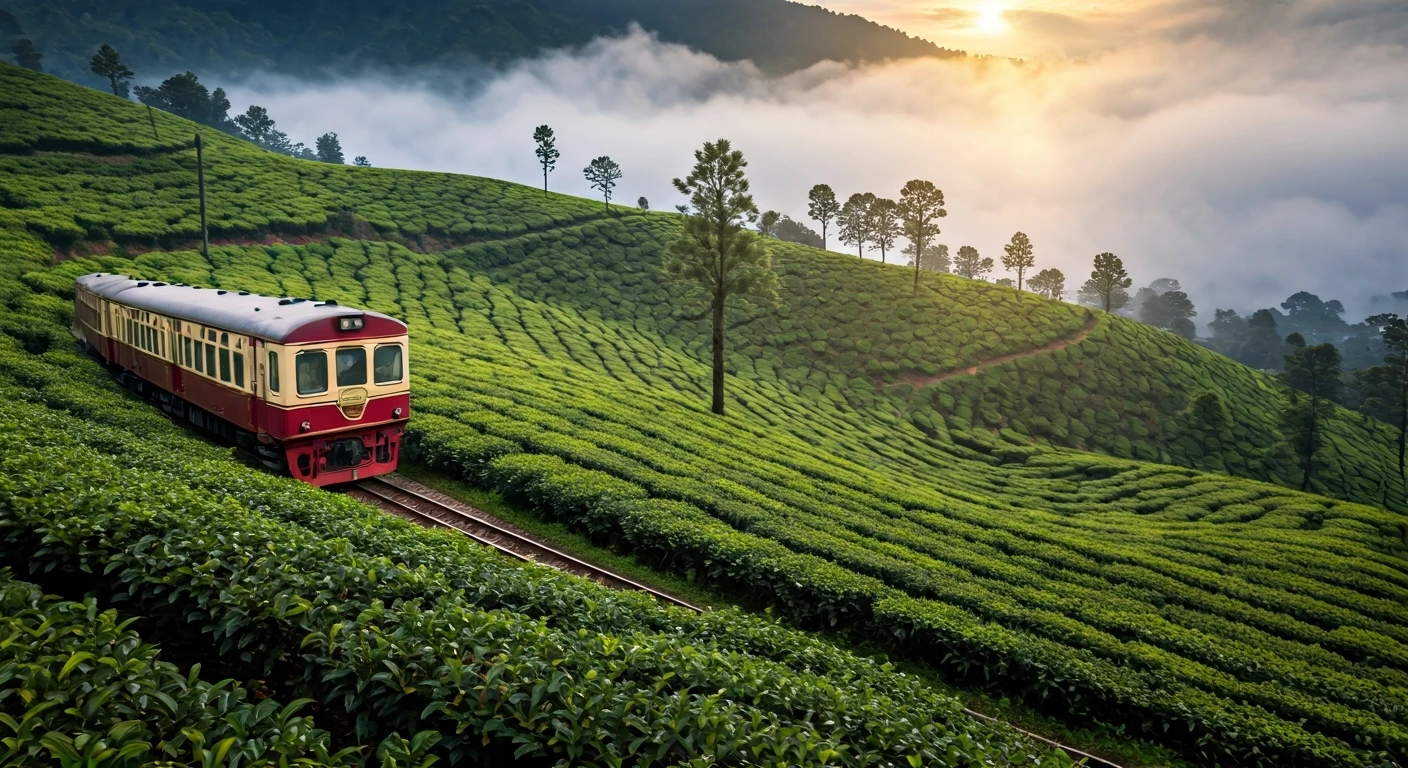
Perhaps no single experience captures Ooty’s charm better than a ride on the Nilgiri Mountain Railway. A UNESCO World Heritage site, this isn’t just a train; it’s a time machine. The bright blue and cream-colored carriages are hauled up the steep inclines by a vintage steam locomotive on the lower sections, chugging and hissing through dense forests, past cascading waterfalls, and across dozens of precariously high bridges. Known affectionately as the “toy train,” its slow, deliberate pace allows passengers to soak in the breathtaking scenery as it ascends from the plains to the highlands. The journey is an attraction in itself, a remnant of Victorian-era engineering that still feels like a grand adventure, connecting the modern world to Ooty’s historical roots.
Beyond the Colonial Echoes
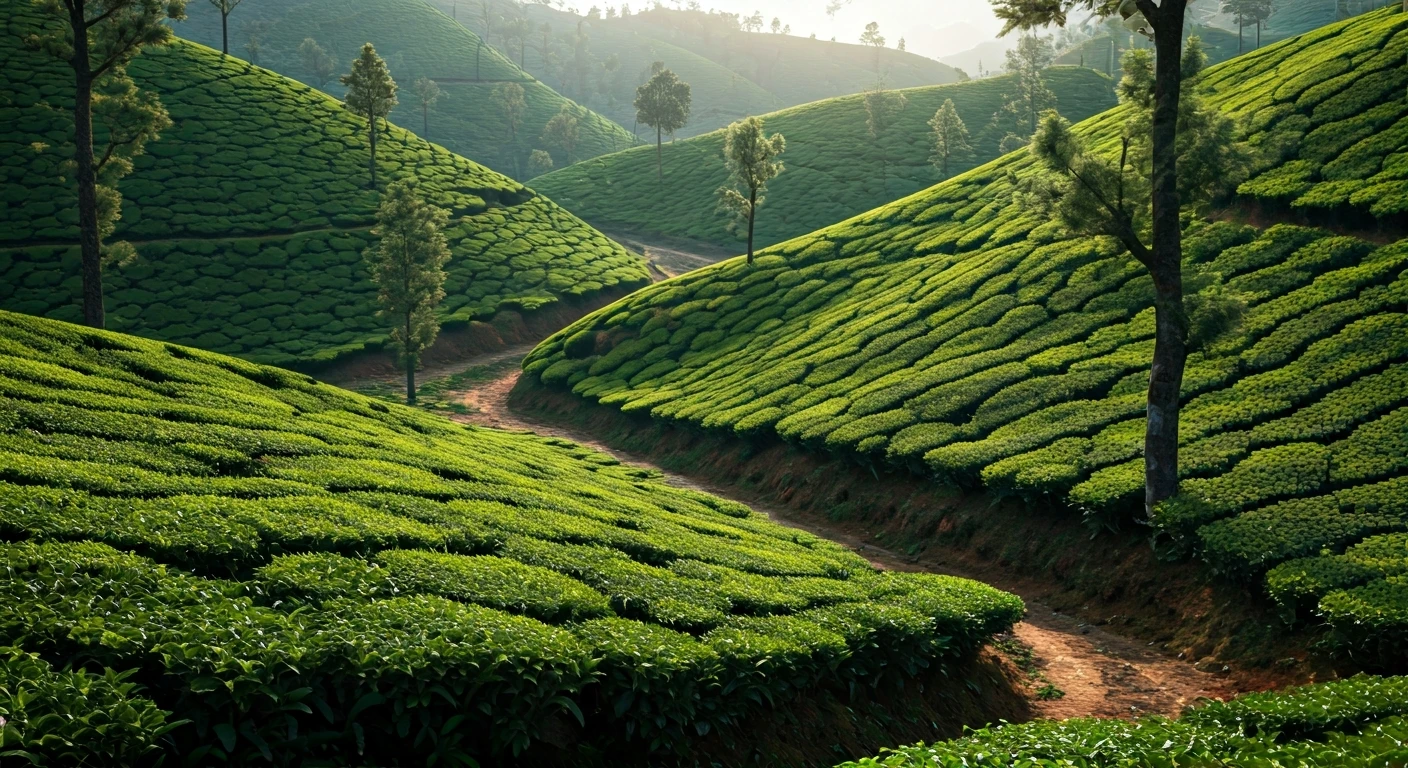
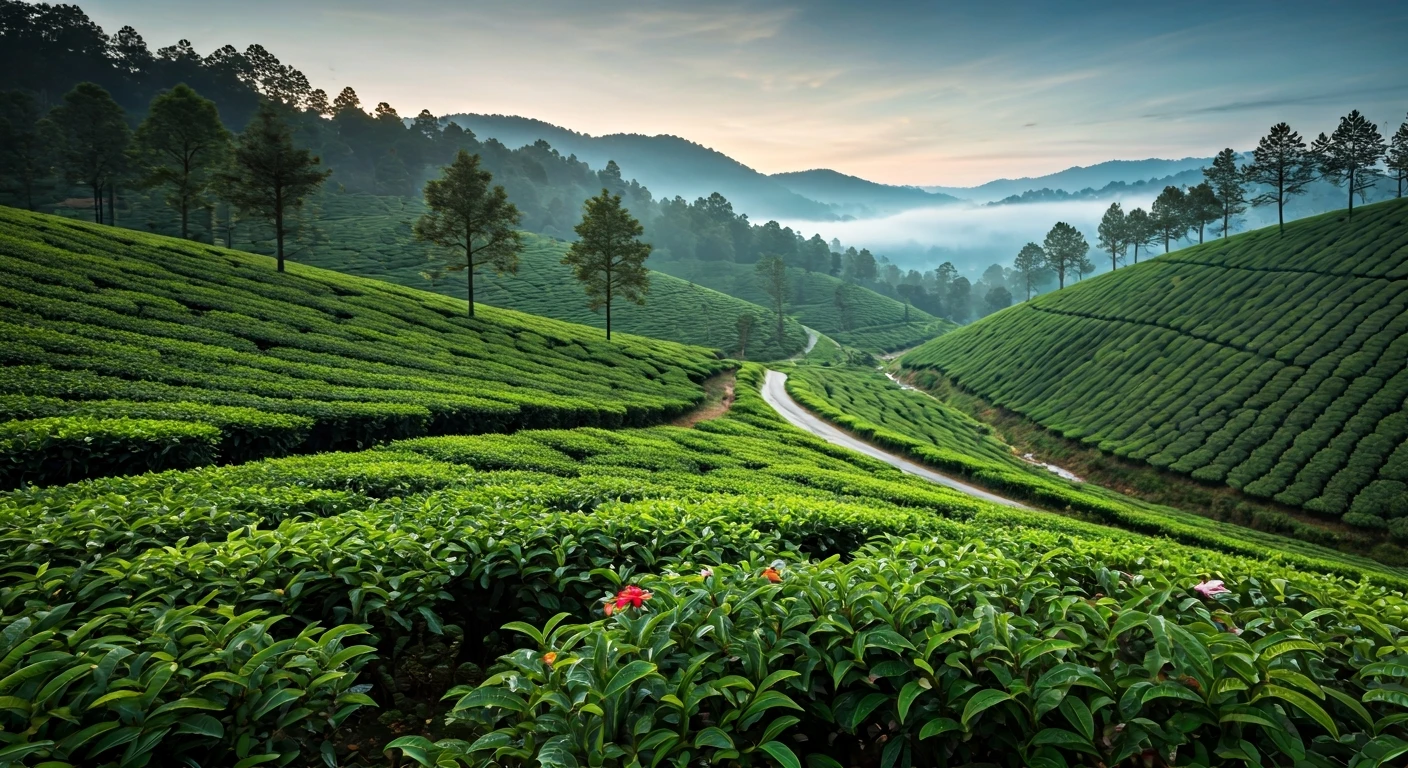
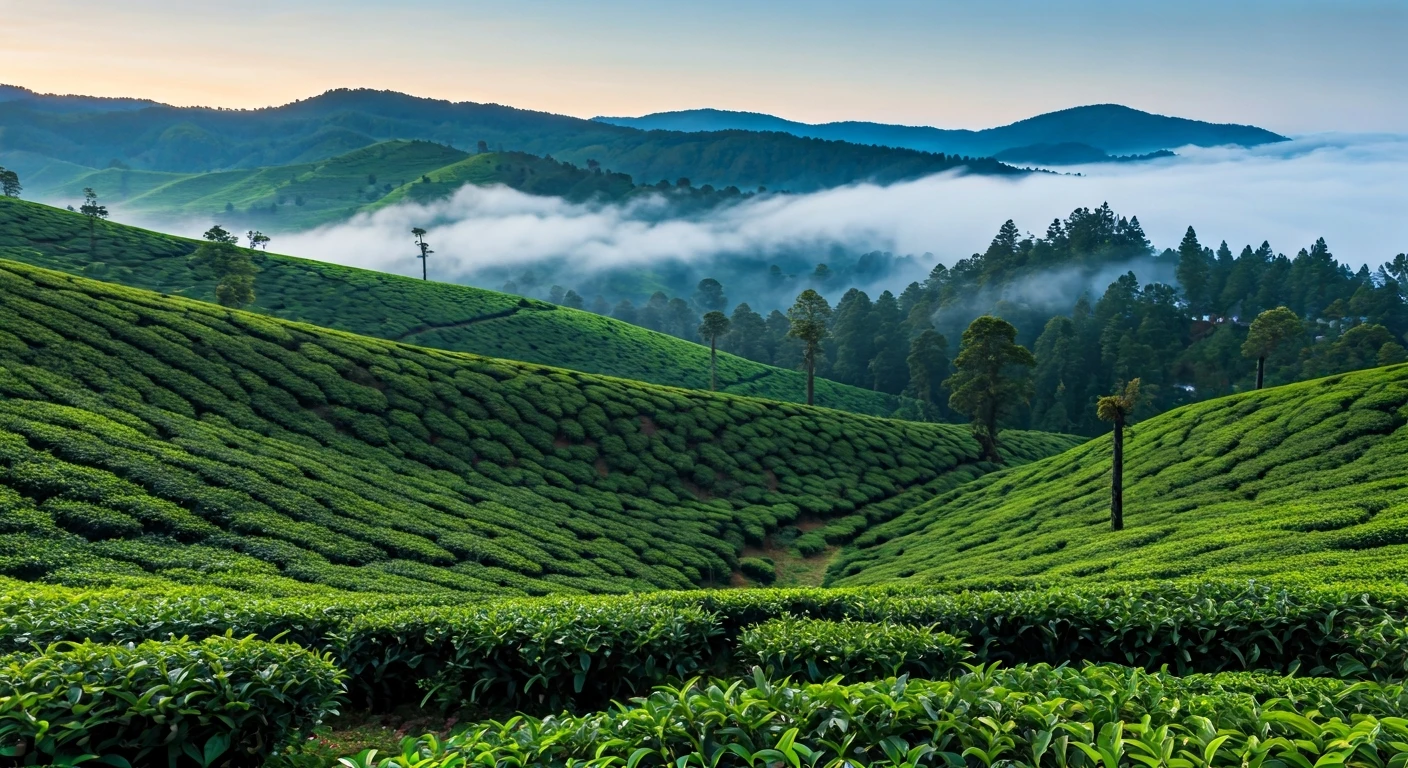
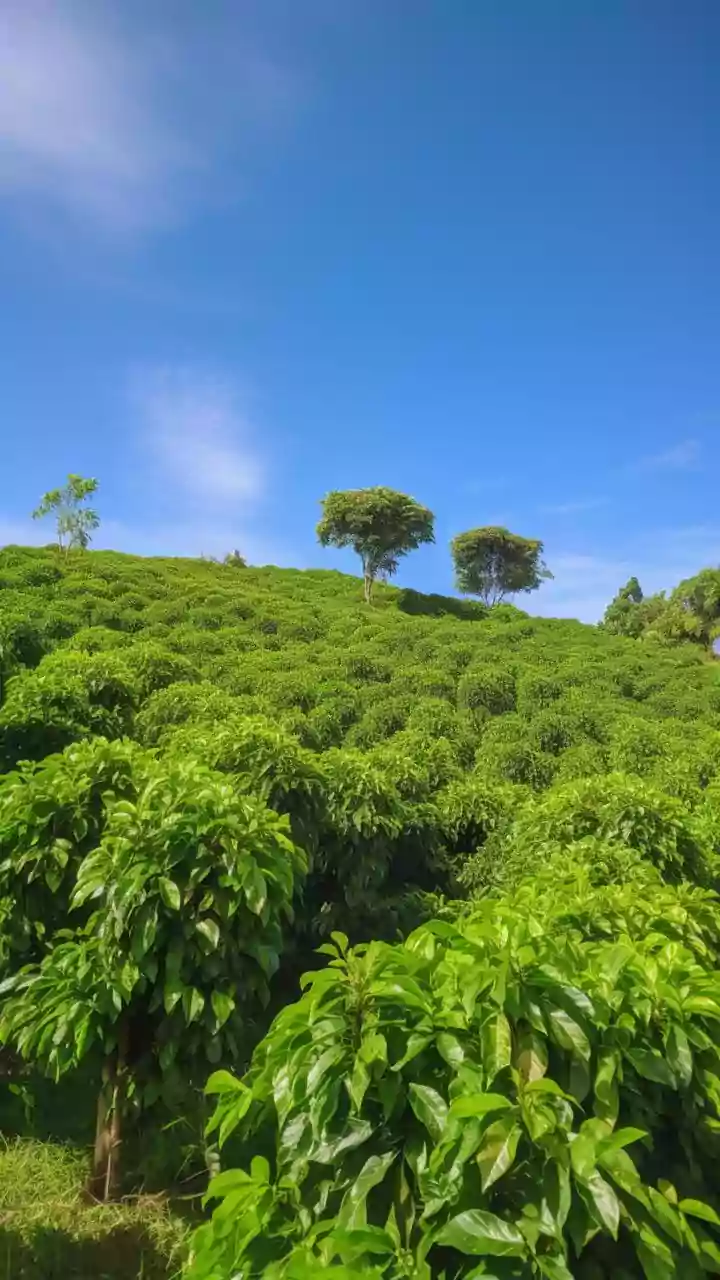
While its colonial past is a huge part of its identity, modern Ooty is a bustling Indian town with its own distinct rhythm. The landscape is dominated by rolling tea plantations that blanket the hillsides in a vibrant carpet of green. Visitors can tour these estates, watch the tea-plucking process, and sample fresh brews. At the heart of the town lies the Government Botanical Garden, another British-era creation that now showcases an incredible diversity of flora, including a 20-million-year-old fossilized tree. The town's central market is a riot of color and commerce, selling everything from local produce and fragrant spices to Ooty’s famous homemade chocolates. It’s a place where history and daily life coexist, where tourists and locals mingle against a backdrop of stunning natural beauty.