



Misjudging a Dust Storm
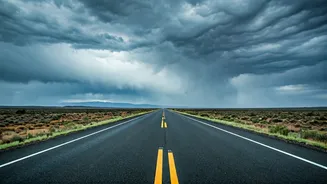
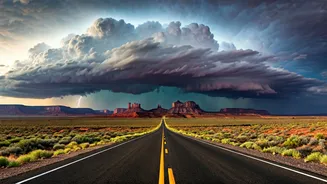
One of the most dramatic and dangerous monsoon events is the haboob, a towering wall of dust that can swallow the horizon in minutes. The biggest error is trying to drive through it. Visibility can drop to absolute zero instantly, creating a scenario
for high-speed, multi-car pileups. You cannot see the car stopped just a few feet ahead, nor can the truck behind you see you. Official guidance from departments of transportation in states like Arizona is unequivocal: do not enter a dust storm. If you see one approaching, the safest move is to exit the highway at the next opportunity. If you are caught, pull your vehicle as far off the pavement as possible, turn off all lights (including your brake lights and hazard lights), set the emergency brake, and keep your foot off the brake pedal. This prevents other drivers from following your lights and crashing into you from behind.
Underestimating Six Inches of Water
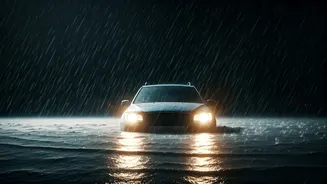
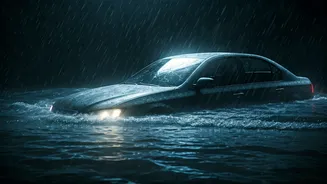
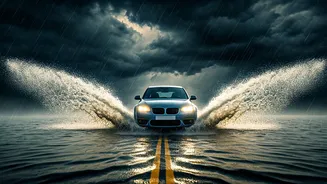
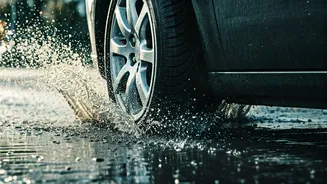
A monsoon downpour isn't a gentle shower; it's a deluge that can overwhelm dry, compacted desert soil. This leads to flash floods, where washes and low-lying roads become raging rivers in an instant. The most common fatal error is attempting to drive through moving water. It takes less than a foot of water to float most passenger cars, and just six inches of moving water can knock an adult off their feet. The water's depth is deceptive, and the road beneath may have been washed away entirely. States like Arizona have a "Stupid Motorist Law," which holds drivers financially responsible for the cost of their rescue if they bypass barricades and get stuck in a flooded area. The rule is simple and life-saving: Turn Around, Don’t Drown. It’s never worth the risk to find out how deep the water is.
Using Cruise Control
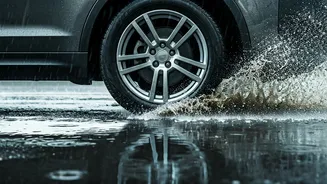
Cruise control is a fantastic tool for long, dry stretches of highway. In a monsoon, it's a liability. The function of cruise control is to maintain a constant speed, and it will apply acceleration to do so, even when conditions are unsafe. If your vehicle hydroplanes—loses traction when its tires ride on a thin layer of water—cruise control can make the situation worse. The system might try to accelerate to compensate for a perceived loss of speed, causing the wheels to spin faster and making it harder to regain control. During any wet or potentially slick conditions, your feet should be in full command of the gas and brake pedals. Disengage cruise control at the first sign of rain to ensure you have maximum control over your vehicle's speed and response.
Ignoring the First 15 Minutes of Rain
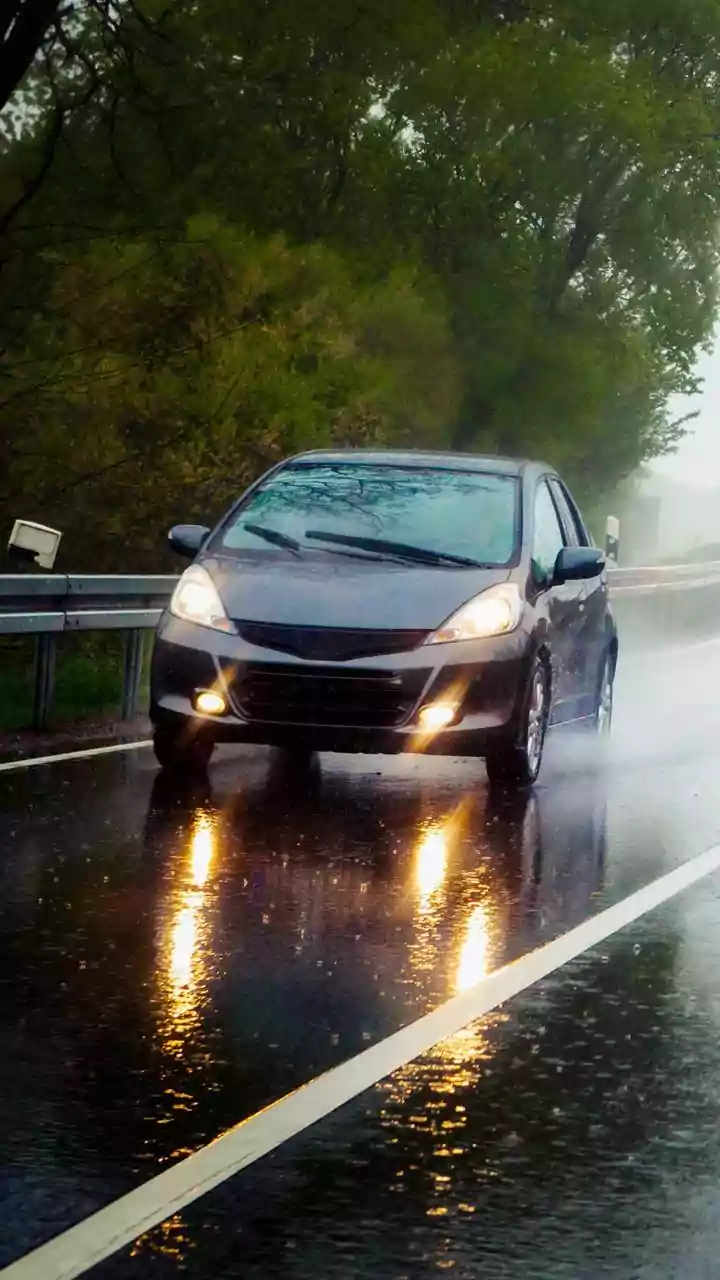
In arid regions, long dry spells allow oil, grease, and other automotive fluids to accumulate on the asphalt. The first rain of a monsoon storm mixes with this buildup, creating an incredibly slick, almost greasy surface. This is often the most dangerous time to be on the road, as traction is significantly reduced before the rain has had a chance to wash the oils away. Many drivers fail to adjust their speed and following distance for these initial conditions, leading to skids and collisions. The error is treating the start of a downpour like any other rain. Instead, be hyper-vigilant during the first 10-15 minutes of a storm. Reduce your speed dramatically and double or triple your normal following distance to give yourself ample time to react and brake.
Following Too Closely in Downpours
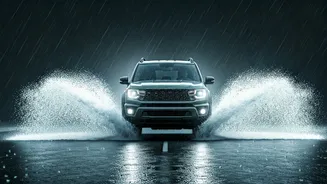
While tailgating is always a bad idea, it becomes exponentially more dangerous in a monsoon downpour. Heavy rain severely limits visibility and dramatically increases your vehicle’s stopping distance. The spray kicked up by the vehicle in front of you can create a blinding whiteout effect, making it impossible to see their brake lights or any hazards ahead. You are effectively driving blind. The four-second rule—a common guideline for following distance in good weather—is insufficient. In heavy rain, you should aim for a minimum of six to eight seconds of following distance. This gives you the time and space needed to perceive a hazard, react, and brake safely without losing control on a wet surface.