




An Escape from India’s ‘Other’ Silicon Valley
First, a quick geography lesson for the uninitiated. Pune, a sprawling metropolis in the state of Maharashtra, is often called the “Oxford of the East” for its many universities and has a booming IT sector that gives it a vibe akin to Austin or a nascent
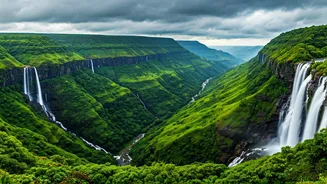
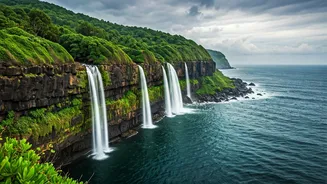
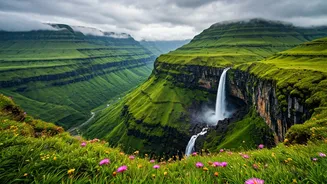
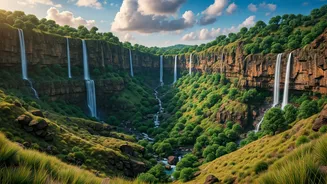
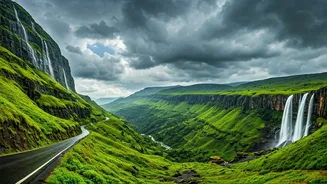
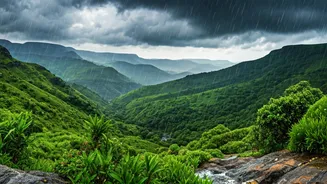
Silicon Valley. With this intense, screen-focused work life comes a powerful urge to escape. While the headline mentions “coastal cliffs,” the reality is even more dramatic. Pune is inland, and the cliffs in question are the breathtaking escarpments of the Sahyadri mountains, part of the Western Ghats, a UNESCO World Heritage Site that forms a rugged spine between the city and the Arabian Sea. These aren't gentle hills; they are sheer, volcanic rock faces, ancient fortresses, and deep valleys that have become a magnet for a new generation of Indian adventurers.
Where Gravity Is the Main Attraction
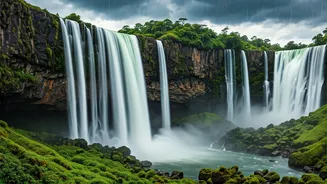
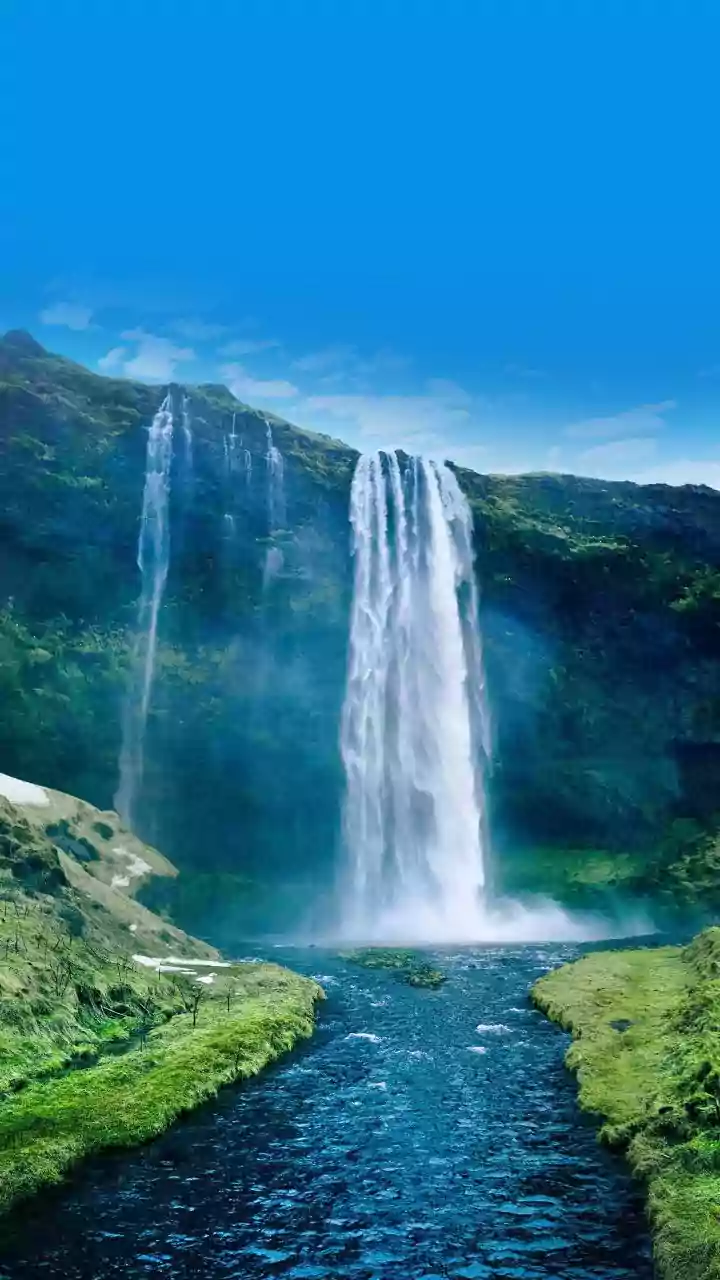
The activity that truly defines this weekend buzz is rappelling, or abseiling. On any given Saturday or Sunday, groups of young professionals and college students gather at spots like Duke’s Nose, a massive pinnacle near the town of Lonavala. Led by a growing number of local adventure companies, they gear up in helmets and harnesses to descend cliff faces that can be over 300 feet high. During the monsoon season (roughly June to September), the experience gets an upgrade: waterfall rappelling. Here, adventurers descend directly through the torrent of a seasonal waterfall, battling the force of the water as they navigate the slippery rock. It’s a thrilling, multisensory experience that offers a complete reset from the noise and order of city life. The combination of physical challenge and stunning natural beauty provides an adrenaline rush that a week in a cubicle simply can’t match.
A Full-Fledged Adventure Playground
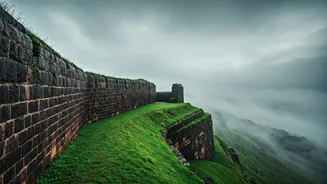
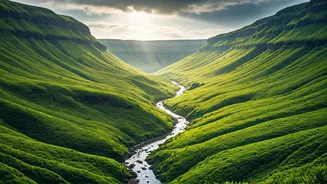
But the scene is much more than just rappelling. The area around Pune has evolved into a comprehensive adventure hub. Just a short drive away is Kamshet, widely regarded as the paragliding capital of India. Here, colorful canopies dot the sky as tandem flyers and solo pilots soar on thermal currents, enjoying panoramic views of the lakes and plateaus below. The region is also crisscrossed with trekking trails that lead to historic hill forts, some dating back centuries. Climbing the stone steps of Lohagad Fort or navigating the tight ravines of Sandhan Valley (often called the “Valley of Shadows”) are rites of passage for local hikers. This ecosystem of activity means there’s something for every level of thrill-seeker, from first-time campers to seasoned rock climbers.
Fueled by Social Media and Accessibility
So why now? The boom is driven by a perfect storm of factors. First, accessibility. These world-class adventure spots are just a two-to-three-hour drive from Pune, making a weekend trip easy. Dozens of small, professional tour operators have sprung up, offering all-inclusive packages with transportation, gear, and expert guides for as little as $20-$40 a day, putting these experiences within reach of a young demographic. Second, and perhaps most importantly, is the influence of social media. An Instagram feed full of friends hanging off cliffs or soaring over valleys is a powerful motivator. The stunning visuals have turned these once-niche activities into aspirational, must-do experiences for a generation of Indians who increasingly prioritize collecting memories over material possessions. It’s a cultural shift playing out against one of the world's most dramatic backdrops.