





An Aesthetic Takes Root
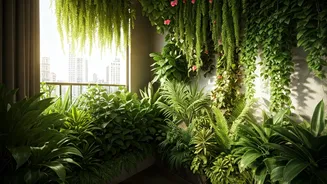
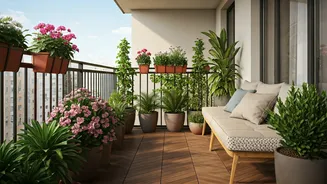
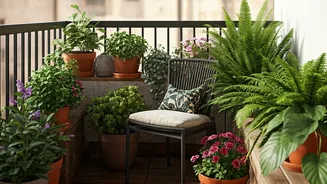
First, let's paint the picture. The trend isn't about simply putting a chair outside. It's about curation. The quintessential “cute balcony corner” features a specific vocabulary of design elements. Lush greenery is non-negotiable, with a mix of monstera,
snake plants, and money plants spilling from terracotta pots and macrame hangers. Seating is often a single, inviting piece—a chic rattan chair, a traditional wooden swing (a *jhoola*), or a plush floor cushion. The final touches are what make it magical: delicate fairy lights woven through railings, patterned outdoor rugs, and small, artisanal tables just big enough for a book and a hot drink. It’s less a functional outdoor space and more a meticulously styled, highly personal sanctuary designed for escape.
The Urban Squeeze Solution
To understand why this is happening, you have to understand the modern Indian metropolis. Cities like Mumbai, Bengaluru, and Delhi are dense, dynamic, and often chaotic. For millions of young professionals and families living in high-rise apartment buildings, personal space is the ultimate luxury. Public parks can be crowded and far away, and private gardens are a fantasy reserved for the ultra-wealthy. The balcony, no matter how small, becomes the only patch of private outdoor real estate available. It’s a literal breath of fresh air. This trend is a creative and resourceful response to the constraints of urban living, transforming a few square feet of concrete into a vital connection with the outdoors.
A Post-Pandemic Bloom
Like many home-centric trends, the balcony obsession was supercharged by the COVID-19 pandemic. During India’s stringent lockdowns, millions were confined to their apartments for months. The walls, both literal and metaphorical, began to close in. The balcony transformed from a place to hang laundry into an essential escape valve. It was a safe space to feel the sun, listen to the city from a distance, and connect with nature, however limited. This period forced a re-evaluation of home, and people began investing time, effort, and money into making their living spaces more livable and joyful. The balcony makeover became a popular, manageable project that offered an immediate and profound psychological reward.
Fueled by the Social Feed
This trend wouldn’t be the phenomenon it is without social media. Platforms like Instagram and Pinterest are flooded with images of these idyllic corners, tagged with hashtags like #balconygarden, #urbanjungle, and #balconymakeover. A powerful feedback loop has emerged: people see beautiful balconies online, get inspired to create their own, and then share their creations, inspiring others in turn. It has democratized interior design, with influencers and everyday users sharing DIY tips, plant care advice, and links to affordable decor. The visual nature of the trend makes it perfectly suited for the digital age, where a well-composed photo can communicate aspiration, taste, and a desirable lifestyle.
It’s About Wellness, Not Just Aesthetics
While the visuals are stunning, the movement runs deeper than just good looks. At its core, this is a wellness trend. The act of tending to plants, known as “garden therapy,” is a well-documented stress reliever. In a fast-paced, high-pressure urban environment, having a quiet, green space to unwind is a form of self-care. It’s a place for morning meditation, an evening cup of tea, or simply a moment of mindful disconnection from screens and work. This isn't just about decorating; it's about reclaiming a piece of the world and making it a place of peace. The “cute balcony corner” is a quiet rebellion against the noise and stress of modern city life.