





The Reign of the 'Reset'
Remember the peak detox era? It was a time when your co-worker would suddenly appear on Monday morning, pale and sipping a murky green liquid from a mason jar, proudly announcing they were on a three-day ‘reset.’ Instagram was flooded with flat-lay photos
of expensive cold-pressed juices, numbered and arranged like a science experiment. Celebrities swore by cayenne pepper-lemonade concoctions to fit into awards-show dresses, and ‘detox teas’ promised to flush out toxins and bloat with the help of powerful, and often problematic, laxatives. The appeal was undeniable. It promised a clean slate, a quick fix for our perceived dietary transgressions. The language was alluringly dramatic—purging, cleansing, flushing. It tapped into a deep-seated desire to feel in control of our bodies, offering a simple, if miserable, solution to complex health questions. The problem, as experts have long pointed out, is that it was mostly marketing theater built on a scientific misunderstanding.
Your Body's Built-In Detox System
The central flaw in detox logic has always been its premise: that our bodies are clogged with nefarious ‘toxins’ that require a special, often expensive, intervention. In reality, the human body is equipped with a highly sophisticated and efficient detoxification system that runs 24/7, free of charge. Your liver, kidneys, lungs, and skin are the real MVPs here. The liver acts as the primary filter, converting harmful substances into waste products. The kidneys then filter that waste from your blood and excrete it as urine. For years, registered dietitians and medical doctors have been the voices of reason in the wilderness, patiently explaining that no juice cleanse will ever outperform a healthy liver. The ‘gunk’ you might see after a colonic or the weight you drop from a laxative tea isn't some deep-seated toxin; it’s water, electrolytes, and gut bacteria—things your body desperately needs to function. The backlash from the scientific community, once a quiet murmur, has finally grown loud enough to change the conversation.
The New Vocabulary of Wellness
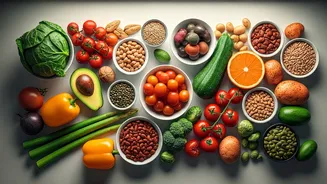
As ‘detox’ fades, a new, more nuanced vocabulary is taking its place. Instead of punishing cleanses, the focus is now on supporting the body’s natural processes. You’re now more likely to hear fitness influencers and wellness experts talk about: * **Gut Health:** Recognizing the microbiome as a cornerstone of overall health, from immunity to mood. The goal isn’t to ‘flush’ it but to nourish it with fiber, prebiotics, and probiotics. * **Metabolic Flexibility:** This refers to training your body to efficiently switch between fuel sources (carbs and fats). It’s achieved through balanced nutrition and exercise, not starvation. * **Sustainable Habits:** The conversation has shifted from dramatic, short-term interventions to building small, consistent habits that last a lifetime—like adding more protein to breakfast or taking a daily walk. * **Strength and Longevity:** Fitness goals are becoming less about aesthetics and more about function. People are training to be strong, prevent injury, and maintain mobility as they age, not just to shrink themselves.
From Deprivation to Empowerment
This shift represents more than just a change in buzzwords; it’s a fundamental change in philosophy. The old model was rooted in deprivation and shame. It told you your body was dirty and needed to be punished. The new approach is about nourishment and support. It views the body as an ally to be cared for, not an enemy to be conquered. This is an empowering evolution for anyone who has felt trapped in the cycle of restriction and bingeing. It frees you from the pressure of perfection and the guilt of enjoying a piece of cake. The goal is no longer to be ‘good’ for three days on a liquid diet, but to be consistently good *to* your body over the long haul. It prioritizes feeling strong in the gym, having energy for your kids, and eating in a way that fuels your life without consuming it.