

The Great Indian Heat Wave
Every year, as spring gives way to summer, a familiar narrative unfolds across India’s vast northern plains. But this isn't just your standard summer heat. Recent years, driven by climate change, have brought blistering, record-shattering heat waves that
make daily life unbearable and dangerous. In cities like Delhi, Jaipur, and Lucknow, relentless heat radiates from the asphalt and concrete, turning urban centers into ovens. Air conditioners strain, power grids falter, and the simple act of stepping outside requires a risk assessment. This annual ordeal has supercharged a century-old tradition: the mass exodus to higher ground. What was once a luxury is increasingly becoming a necessity for anyone who can manage it.
A Legacy Born of Empire
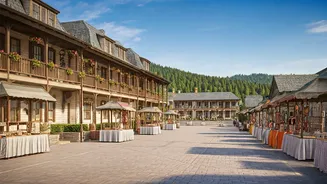
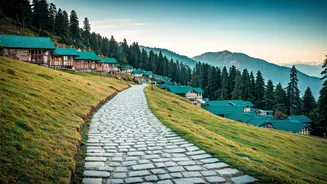
The concept of the “hill station” is a direct legacy of the British Raj. Unable to cope with the subcontinent’s punishing summers, British administrators and their families established mountain enclaves that mimicked the cool climes of England. Places like Shimla, Darjeeling, and Ooty were meticulously planned, complete with mock-Tudor cottages, Anglican churches, and manicured gardens. Shimla even became the official summer capital of British India, with the entire government moving its operations, lock, stock, and barrel, into the Himalayas for months at a time. While the colonizers have long since departed, the infrastructure and allure of these towns remain. Today, they are cherished by Indians as vital, lung-like escapes from the sweltering, populous cities below.
Shimla: The Queen of Hills
If there is one quintessential hill station, it is Shimla. The capital of Himachal Pradesh still carries its colonial-era grandeur with pride. Its heart is The Mall, a wide pedestrian promenade where families, couples, and groups of friends stroll in the cool mountain air, munching on roasted corn on the cob or soft-serve ice cream. The street is lined with heritage buildings, including the imposing Christ Church and the Gaiety Theatre. A ride on the Kalka-Shimla Railway, a UNESCO World Heritage Site, is a journey back in time, as the narrow-gauge “toy train” winds its way through over 100 tunnels and across 800 bridges, offering breathtaking views of the pine-clad valleys below. It is the perfect blend of historical charm and natural beauty.
Manali: Adventure in the Himalayas
Further north, nestled in the Beas River Valley, Manali offers a wilder, more adventurous alternative. While it has its own colonial past, its modern identity is defined by backpacking, trekking, and adrenaline. Old Manali, with its laid-back cafes, guesthouses, and winding lanes, is a haven for a younger, more bohemian crowd. The town serves as a gateway to epic Himalayan treks, paragliding in the Solang Valley, and the high-altitude mountain passes leading to Ladakh. The air here smells of pine and the rushing river, a stark, invigorating contrast to the stagnant heat of the plains. It’s where travelers come not just to cool down, but to feel alive.
Darjeeling: Tea, Toy Trains, and Titan Views
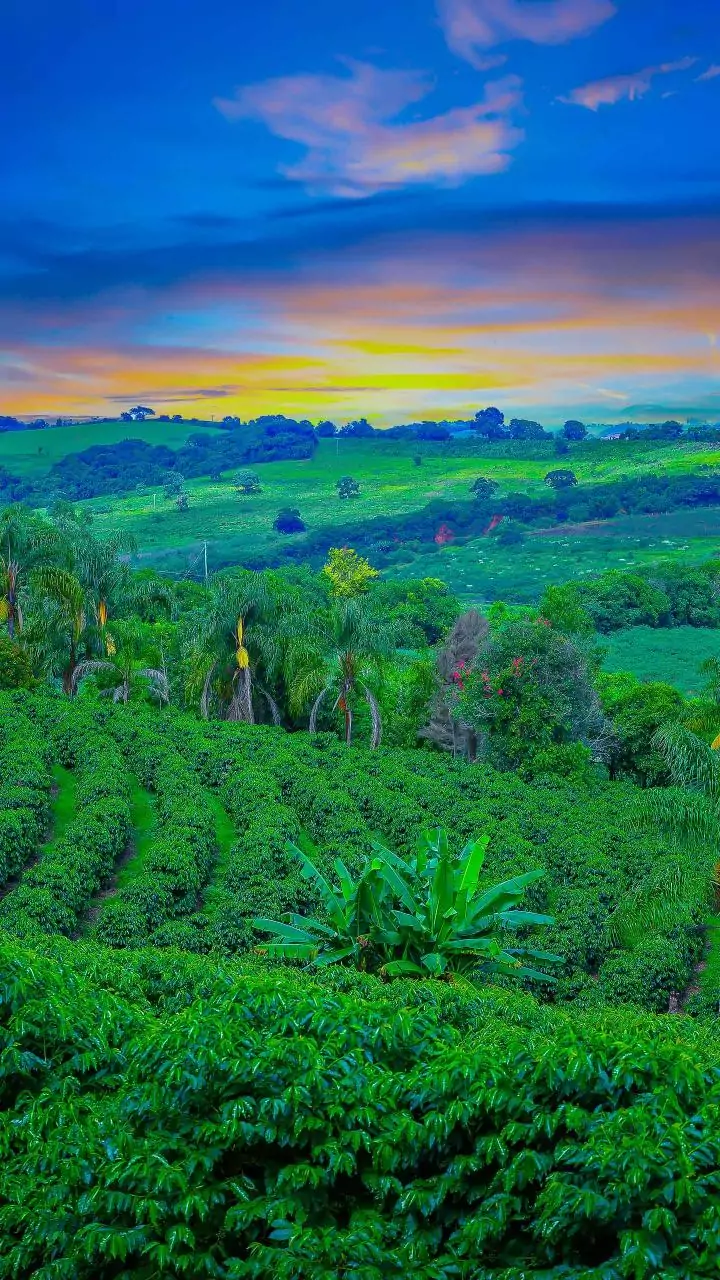
In India's east, Darjeeling offers a unique flavor. Famous the world over for its delicate tea, the town is surrounded by rolling hills blanketed in impossibly green plantations. Visitors can tour estates like Glenburn or Makaibari to learn about the journey from leaf to cup. Like Shimla, Darjeeling boasts its own historic toy train, which chugs its way up steep gradients. But the ultimate prize is the view. On a clear morning, the sight of the sun rising over the snow-capped peak of Kanchenjunga—the third-highest mountain in the world—is a spiritual, soul-stirring experience that makes the arduous journey from the plains entirely worth it.