




The Appeal of an Unfiltered Himalaya
For decades, American travelers seeking Himalayan vistas in India flocked to well-trodden hubs like Manali or Shimla. These towns, while beautiful, now grapple with the familiar pressures of mass tourism: traffic jams, commercialized main streets, and
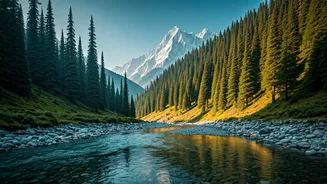
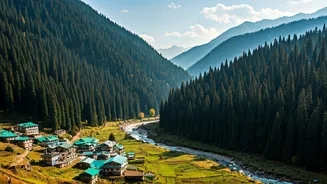
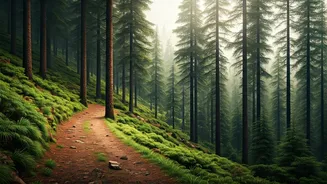
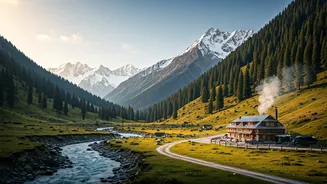
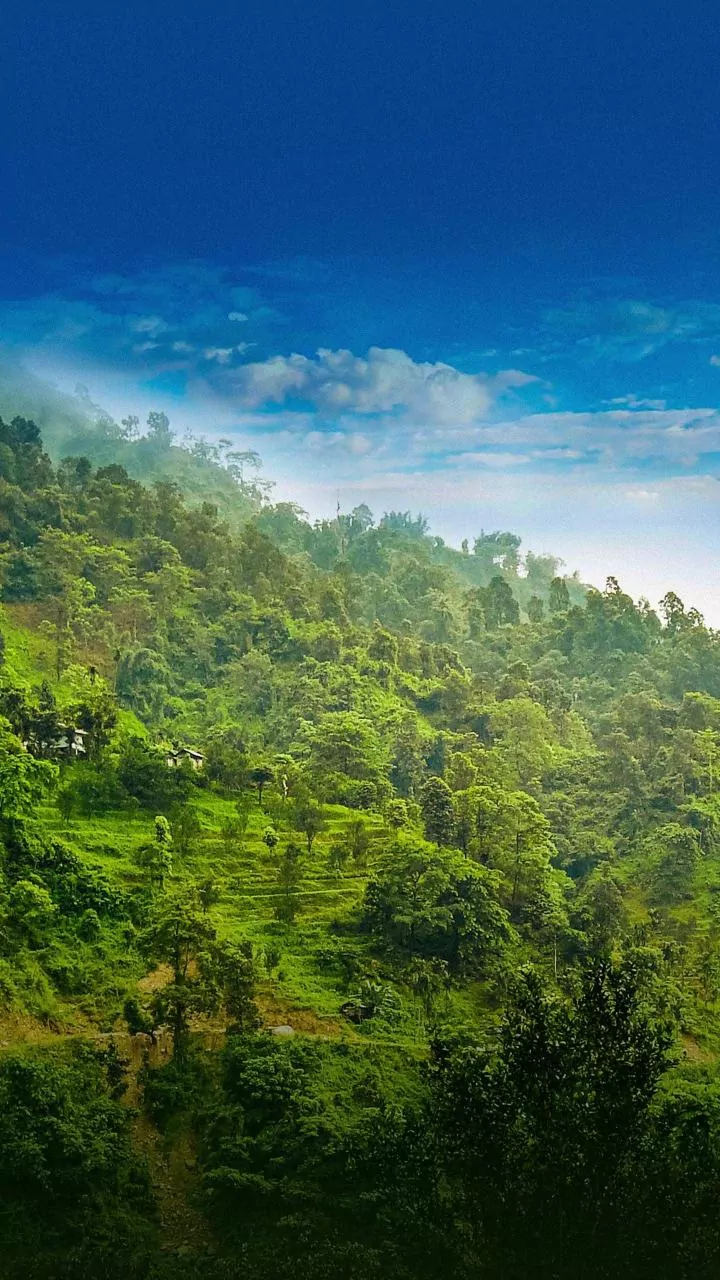
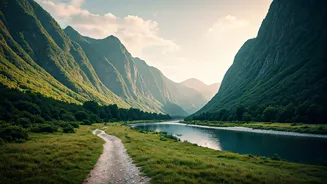
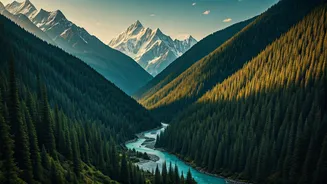
a constant thrum of activity. In response, a growing number of visitors are searching for a more authentic, peaceful alternative. This shift has put a spotlight on the serene valleys of Jibhi and Tirthan in the state of Himachal Pradesh. Fueled by social media and a post-pandemic desire for wide-open spaces, these neighboring destinations are trending not for their nightlife or luxury resorts, but for their pristine rivers, dense pine forests, and a pace of life that encourages you to slow down. They represent a return to nature-first travel, where the main attractions are hiking trails, tranquil afternoons by a river, and conversations with local homestay owners.
Tirthan Valley: The Eco-Tourism Paradise
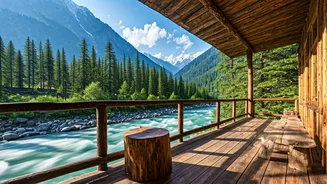
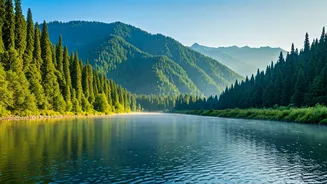
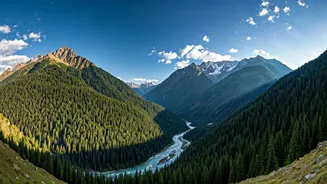
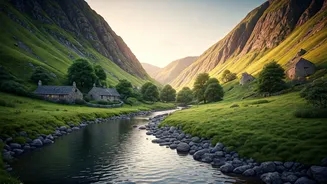
Tirthan Valley, often called the “Gateway to the Great Himalayan National Park,” is an eco-tourism success story. The valley is centered around the crystal-clear Tirthan River, which flows down from the glacial sources within the park, a UNESCO World Heritage Site. The area is a designated “no-plastic zone,” and its development is carefully managed to preserve its natural character. The primary draw here is the river itself. It’s famous for its trout, making it one of the premier angling destinations in India. But even for non-anglers, the riverside is the heart of the experience—perfect for picnicking, camping, or simply sitting on a sun-warmed boulder and listening to the water. The valley is also the starting point for numerous treks, from easy day hikes to multi-day expeditions into the National Park, a sanctuary for elusive species like the snow leopard and Himalayan blue sheep. Accommodations are primarily rustic homestays and charming guesthouses that offer a direct connection to the local culture.
Jibhi: The Fairy-Tale Hamlet
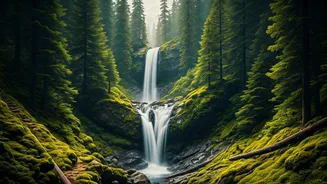
Just over a mountain pass from Tirthan lies Jibhi, a smaller, more bohemian village that feels like it’s been plucked from a storybook. Its defining features are its traditional Kath-Kuni architecture—intricate structures of stone and wood built without cement—and a cluster of traveler-friendly cafes. While Tirthan is more spread out, Jibhi has a cozy, concentrated village feel that has made it a darling of Instagrammers and digital nomads. The vibe is laid-back and communal. Days in Jibhi are spent hiking to the dramatic Jibhi Waterfall, exploring the historic Chehni Kothi (a towering wooden fort), or trekking to the sacred Serolsar Lake. It’s less about rigorous adventure and more about soaking in the atmosphere. The recent rise of “work-from-mountains” culture has seen a new wave of visitors settling in for weeks at a time, drawn by the reliable Wi-Fi in many cafes and guesthouses, combined with the unparalleled natural setting.
Who Should Go (and Who Shouldn't)
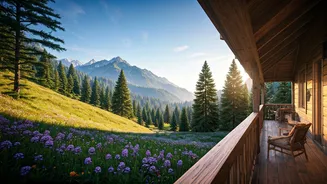
Jibhi and Tirthan are ideal for independent travelers who prioritize nature over manufactured entertainment. If your idea of a perfect vacation involves hiking, reading by a river, and enjoying simple, home-cooked meals, you’ll be in heaven. It’s a haven for bird-watchers, anglers, writers, and anyone looking to disconnect and recharge. However, these destinations are not for everyone. If you require five-star luxury, a bustling shopping scene, or a wide array of international dining options, you’ll be disappointed. The roads can be rough, cell service is spotty outside of the main villages, and the nearest ATM might be a 30-minute drive away. This is part of their charm, but it requires a level of self-sufficiency and an adventurous spirit. The experience is about embracing simplicity, not finding an escape from it.