




The Productivity Trap Off-Screen
We’ve become experts at optimizing our lives for efficiency. We have apps for our workflows, hacks for our mornings, and strategies for our inboxes. But a funny thing happened on the way to peak performance: the logic of the spreadsheet bled into our souls.
Now, even our leisure time is subject to performance reviews. When we finally tear ourselves away from our screens, we’re often met with a new kind of anxiety. Is this downtime being used *well*? Are we learning a new language, perfecting a sourdough starter, training for a 10K, or finally organizing the garage? This is the productivity trap, and it’s followed us offline. The cultural pressure to be constantly improving, growing, and producing has turned hobbies into side hustles and rest into a resource to be managed. Fun that doesn’t result in a tangible skill, a shareable photo, or a self-improvement story feels, to many of us, like a waste. We’ve forgotten that the point of an activity can simply be the activity itself.
The Case for Aimless Play
Remember being a kid and just… playing? There was no goal, no deliverable. The joy was intrinsic to the act of building a nonsensical Lego creation or running around outside until you were tired. That, in essence, is what psychologists call true play. It's an activity done for its own sake, driven by curiosity and enjoyment, not by an external goal. As adults, we’ve traded play for “leisure activities”—things that are often just work in a different costume. We feel guilty for “doing nothing,” so we fill our time with things that look productive. But the brain benefits immensely from unstructured, purposeless activity. When we aren’t trying to achieve something, our minds are free to wander, make novel connections, and process background thoughts. This state, often dismissed as daydreaming or zoning out, is critical for creativity, problem-solving, and emotional regulation. True rest isn’t about sleeping to recharge for more work; it’s about giving your mind the space to exist without a task list. It’s about being a human *being*, not a human *doing*.
Letting Go of the Guilt
The biggest hurdle to embracing unproductive fun is guilt. We’ve been conditioned to believe that time not spent improving is time wasted. To reclaim your leisure, you must first give yourself permission to be beautifully, gloriously unproductive. This doesn't mean you have to abandon your hobbies. If you genuinely love baking or knitting, that's wonderful. The key is the *why*. Are you doing it because you feel you *should* have a productive hobby, or because the process itself brings you joy, regardless of the outcome? The shift is subtle but profound. It’s the difference between taking a walk to hit a step count versus taking a walk to see what you notice. It’s the difference between listening to a podcast to become smarter versus listening to an album just to feel the music. Letting go of the productivity mandate means accepting that a weekend spent staring at the clouds, rereading a favorite old book, or just sitting on the porch doing absolutely nothing is not a failed weekend. It’s a successful one.
An Invitation to Do Nothing
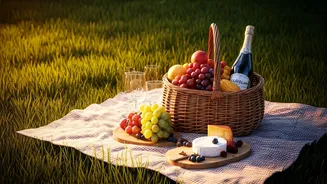
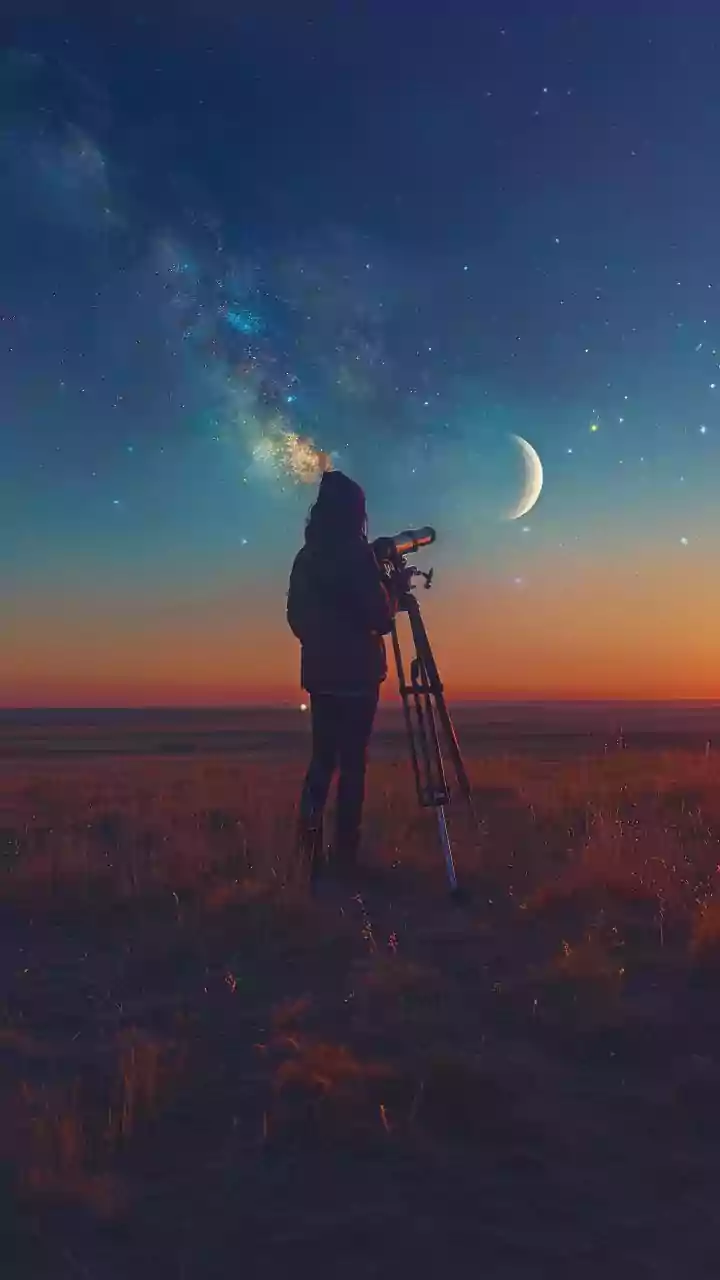
This isn't a to-do list, because that would defeat the entire point. Instead, consider this an invitation. The next time you have a spare 30 minutes, resist the urge to fill it with something “useful.” Don’t try to learn something, build something, or optimize something. Just be. Lie in the grass and watch the shapes of the clouds. Put on a record and close your eyes, doing nothing else. Take a drive with no destination. Allow yourself to be bored. See what thoughts bubble up when they aren't being chased away by a podcast or a push notification. You may find it deeply uncomfortable at first. That discomfort is the withdrawal symptom of a society addicted to constant stimulation and achievement. But on the other side of that discomfort is a quieter, more spacious kind of contentment. It’s the simple, uncomplicated pleasure of being present in your own life, without needing to prove it was time well spent.