

A Landscape That Humbles
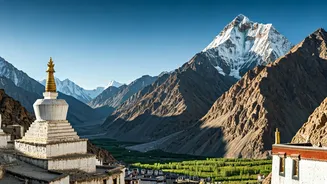
Before you can understand the festival, you have to understand the place. Ladakh, often called the “rooftop of the world,” is a high-altitude desert in the northernmost reaches of India. This isn't the lush, green wilderness of a national park; it's something
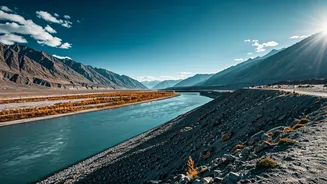
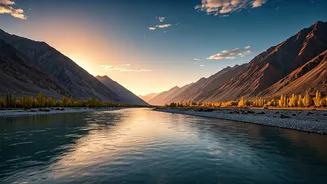
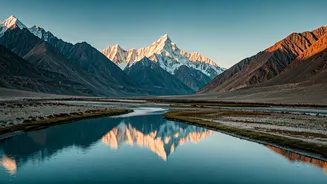
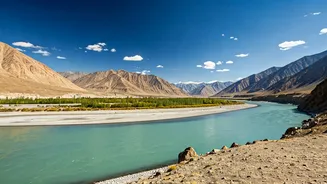
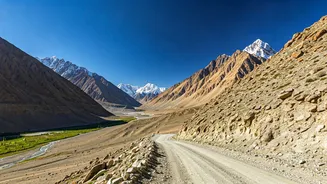
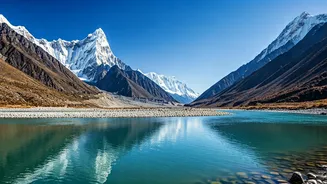
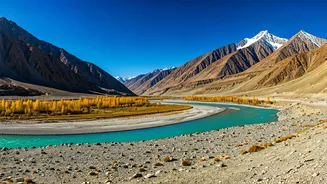
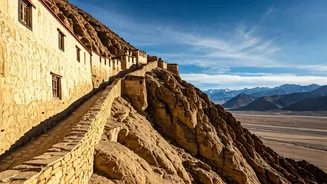
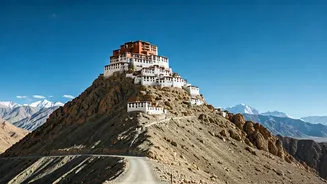
more primal and profound. The landscape is a canvas of stark, breathtaking beauty: rust-colored mountains stripped bare by wind and time, dramatic canyons carved by ancient glaciers, and a silence so deep you can almost hear the planet breathing. For the wilderness seeker tired of predictable trails, Ladakh offers a reset button for the soul. The air is thin, the sun is sharp, and the sheer scale of the environment forces a sense of humility. It’s a place that reminds you of your small, fleeting part in a much grander story, setting the stage for an experience that goes beyond mere sightseeing.
The River as a Lifeline
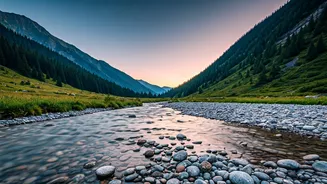
Flowing through this magnificent desolation is the Sindhu, known to the Western world as the Indus River. In a land that receives minimal rainfall, the Sindhu is not just a body of water; it is the source of all life. It’s the reason for the small, vibrant green patches of barley fields that cling to its banks, a stark contrast to the surrounding aridity. The river is a symbol of persistence, a life-giving artery that has sustained trade, culture, and spirituality for millennia. The Sindhu Darshan festival, held annually in June on the river’s banks near Leh, is a celebration of this lifeline. “Darshan” is a Sanskrit word meaning a reverential vision or viewing of a sacred object or deity. The festival literally invites you to come and pay homage to the river that makes life in this high-altitude wilderness possible. It reframes a natural feature as a spiritual anchor, something deeply resonant for anyone who finds meaning in the outdoors.
A Celebration of Unity and Culture
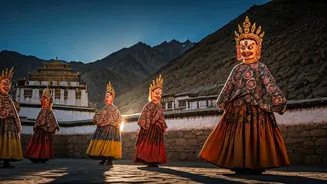
While the landscape provides the backdrop, the festival itself provides the “vibe.” Sindhu Darshan is a vibrant, colorful affair that brings together diverse cultural troupes from across India. Imagine sitting by the river, surrounded by the Himalayas, watching dancers in elaborate traditional costumes perform against the mountainous backdrop. The air fills with the sound of folk music, rhythmic drumming, and prayer chants. The festival was established to promote national identity and communal harmony, centered around the river that gives India its name. Participants bring water from their own local rivers in a symbolic act of unity, pouring it into the Sindhu. For a traveler, this isn't a performance put on for tourists; it’s a genuine, heartfelt gathering. The atmosphere is one of shared joy and reverence, breaking down barriers and connecting people through a shared appreciation for nature and culture.
The Internal Journey
Ultimately, the “peak vibe” of Sindhu Darshan is the seamless blend of the external and internal journey. The wilderness of Ladakh challenges you physically, while its beauty inspires you emotionally. The festival adds a rich layer of human connection and spiritual contemplation. It’s an experience that engages all the senses: the chill of the morning air, the warmth of the community, the visual feast of the landscape and performances, and the grounding sound of the flowing river. For wilderness seekers who are looking for more than just an adrenaline rush or a scenic photo op, this is it. It’s an opportunity to connect with a powerful landscape on a deeper level, to witness a culture celebrating its natural heritage, and to find a sense of peace and perspective that is increasingly rare in the modern world. You arrive seeking wilderness and leave with a profound understanding of the connection between land, water, and the human spirit.