




From Styling to Science
The beauty industry has officially entered its wellness era, and hair is the latest frontier. This shift moves away from products that offer a temporary fix—like sprays that mask damage or mousses that create fleeting volume—and toward routines that build
stronger, more resilient hair from the root. Think of it as the difference between covering a blemish with concealer versus using a skincare routine to prevent breakouts in the first place. This evolution is driven by a more educated consumer. Thanks to the internet and the transparency of 'skintellectuals' on social media, we're all becoming ingredient detectives. We learned to look for hyaluronic acid for hydration and vitamin C for brightness in our face creams. Now, that same scientific curiosity is being applied north of the forehead. Consumers are demanding to know *what* is in their hair products and *how* it works, fueling a boom in formulas that prioritize long-term vitality over short-term aesthetics.
The 'Skinification' of Haircare
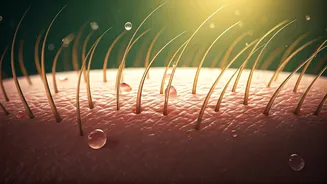
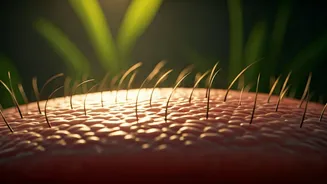
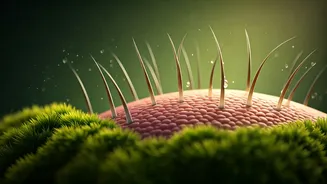
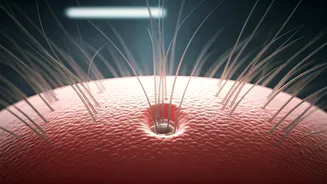
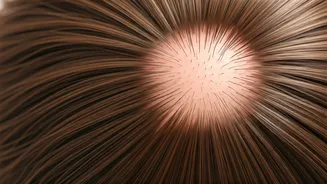
The buzziest word in this movement is 'skinification.' It’s the simple but revolutionary idea that the scalp is just an extension of the skin on your face, and it should be treated with the same care. For years, scalp care was an afterthought, limited to anti-dandruff shampoos. Today, the category has exploded. Just as you might use a chemical exfoliant on your face, you can now find scalp scrubs with salicylic acid to remove product buildup and dead skin cells, creating a healthier environment for hair follicles to thrive. There are scalp serums packed with peptides to encourage growth, hyaluronic acid for hydration, and niacinamide to balance oil production. This approach recognizes that you can't have healthy plants (hair) without healthy soil (scalp). By focusing on the root cause of issues like thinning, dullness, or breakage, these products promise more sustainable and visible results.
Meet the New Power Players
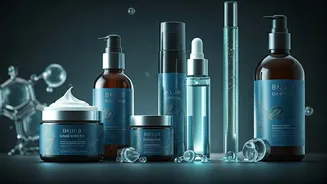
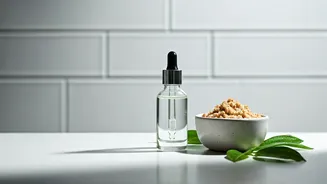
Navigating this new world of hair health means getting familiar with a new class of products and ingredients. Leading the charge are bond-building treatments. These revolutionary formulas work on a molecular level to repair the disulfide bonds in hair that are broken by bleach, heat, and chemical services. Instead of just coating the hair to make it feel smoother, they actively rebuild its internal structure, resulting in tangibly stronger strands. Alongside bond-builders, oils and pre-shampoo treatments are having a major moment. Used before washing, these products protect fragile hair from the stripping effects of shampoo and hard water. They nourish the hair shaft, lock in moisture, and can help detangle, minimizing the mechanical damage from brushing. Look for ingredients like rosemary oil, which has gained viral fame for its potential to support circulation and growth, and castor oil for its deep conditioning properties.
A Holistic View of Hair
Ultimately, this trend acknowledges that great hair isn’t just made in the shower. A truly holistic approach connects what’s on your head to your overall well-being. Trichologists—specialists who study diseases or problems related to the hair and scalp—are becoming more mainstream as people seek expert advice for issues like hair thinning and loss. Furthermore, the link between internal health and external appearance is clearer than ever. A balanced diet rich in proteins, vitamins (like biotin and iron), and healthy fats is critical for building strong hair. Managing stress is equally important, as high cortisol levels are known to contribute to hair shedding. The modern hair health journey, therefore, involves looking at everything from your plate to your pillowcase (silk pillowcases reduce friction) to your mental state. It's a 360-degree approach that treats your hair not as an accessory, but as a vital sign of your overall health.