



The Old Monsoon Mindset
Planning a trip to India used to be a binary choice. You either went during the dry, sunny high season (roughly October to March) or you didn’t go at all. The monsoon, which sweeps across the subcontinent from approximately June to September, was seen
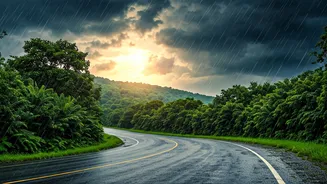
as a travel dealbreaker. For foreign tourists and domestic travelers alike, the season conjured images of torrential downpours, flash floods, washed-out roads, canceled trains, and suffocating humidity. Travel agents would wave red flags, and guidebooks would issue stark warnings. Popular destinations like the beaches of Goa or the backwaters of Kerala would transform into ghost towns, with businesses shuttering for months. The logic was sound: why risk having your entire vacation confined to a hotel room, or worse, getting stranded? The monsoon wasn't just weather; it was a force of nature that dictated the rhythm of life and travel, shutting down vast swathes of the country’s tourism landscape for a third of the year.
The Rise of the Rainfall Map
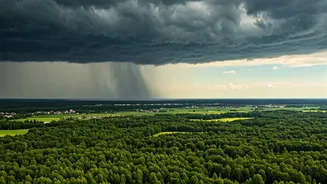
The game-changer hasn’t been a shift in the weather itself, but in our ability to see it with unprecedented precision. The “rainfall maps” shaping today’s travel plans aren’t your grandparent’s fuzzy evening weather report. They are sophisticated, real-time, and hyperlocal data streams accessible on any smartphone. Government bodies like the India Meteorological Department (IMD) have dramatically improved their forecasting, offering detailed satellite imagery and district-level predictions. Simultaneously, private-sector weather apps like Skymet and international services have flooded the market with user-friendly interfaces showing rain clouds moving in real time. This technology allows a traveler to do something that was previously impossible: distinguish between a statewide monsoon alert and a two-hour downpour in a specific valley. Instead of writing off an entire region for a whole month, a tourist can now see a forecast showing three days of sun followed by an afternoon of rain, and plan accordingly. It’s the difference between a blunt instrument and a surgical tool, empowering individuals with the kind of granular information that was once the exclusive domain of meteorologists.
From 'No-Go' to 'Go Smart'
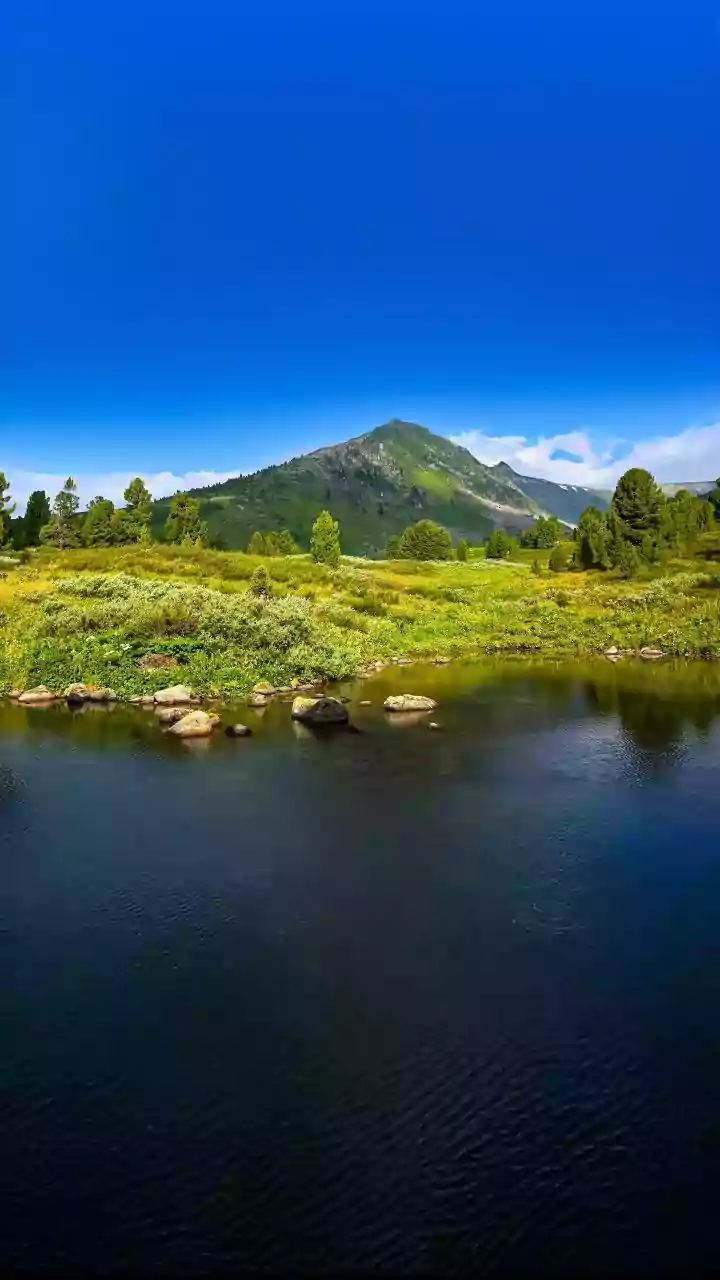
Armed with this data, a new type of travel is emerging. Rather than avoiding the monsoon, travelers are learning to navigate it. A family looking at a week in the Western Ghats—a mountain range famous for its spectacular monsoon greenery—can now plan their hikes for clear mornings and schedule indoor activities or scenic drives for rainy afternoons. Weekend warriors from cities like Mumbai or Bangalore can check the satellite map on a Friday and make a last-minute decision to drive to a nearby coastal town, confident they can dodge the worst of a storm system. This has fundamentally changed the risk calculation. The fear of the unknown is replaced by calculated decision-making. Travelers are discovering the unique beauty of the monsoon season: landscapes washed clean and bursting with lush, vibrant greens, waterfalls at their most powerful, and far fewer crowds. It’s fostering a more flexible, spontaneous travel culture, where “off-season” no longer means “off-limits.”
A Lifeline for Local Economies
This behavioral shift is providing a critical boost to local economies that once braced for a long, lean summer. Hotels and homestays in destinations like Goa, Coorg, or parts of Rajasthan are no longer forced into a four-month hibernation. Instead, they’re actively marketing “monsoon packages,” offering lower rates and unique rainy-day experiences. They can do so with confidence, knowing that potential guests aren’t just gambling on the weather—they’re making informed choices. The trend helps distribute tourist traffic more evenly throughout the year, easing the pressure on infrastructure during the peak winter months. For airlines, railways, and tour operators, it opens up a new shoulder season where there wasn't one before. This data-driven confidence is transforming the monsoon from a liability into an asset, unlocking economic potential and proving that with the right information, even the most formidable forces of nature can be embraced.