



From Forgotten Vegetable to Viral Sensation
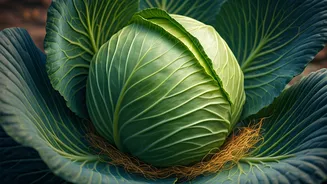
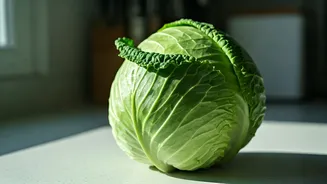
If your social media feeds are suddenly awash in vibrant purple slaws, glowing glasses of green juice, and bubbling pots of cabbage soup, you’re not alone. The cruciferous vegetable, long relegated to coleslaw at summer barbecues or as a sad, boiled side
dish, is having a major glow-up. On platforms like TikTok and Instagram, creators are rebranding cabbage as a powerhouse for everything from gut health to radiant skin. Videos showcasing “cabbage detox” juice have racked up millions of views, with proponents touting its alleged ability to reduce bloating and inflammation. Others feature visually stunning “rainbow” salads where shredded red and green cabbage provides the colorful, crunchy base. The perennial “cabbage soup diet” has also found a new generation of followers online, promoted not just for weight loss but as a short-term “reset” for the digestive system. The message is clear: this isn't your grandmother's cabbage anymore.
The Gut Health and Glow-Up Claims
So, what’s behind the hype? The primary driver of cabbage’s new wellness narrative is its connection to gut health. Influencers claim that drinking raw cabbage juice can help heal the gut lining, citing its high concentration of an amino acid called L-glutamine. Others point to its supposed anti-inflammatory properties, suggesting it can help calm digestive distress and even improve skin conditions like acne by “detoxifying” the system. These claims often come with dramatic before-and-after testimonials and a simplified, appealing logic: flooding your system with pure, plant-based nutrients will naturally lead to a healthier, more vibrant you. Cabbage is presented as a simple, accessible tool for achieving the clean-living aesthetic that dominates online wellness culture, promising a flatter stomach and clearer skin in just a few days or weeks.
What the Science Actually Says
While the “ultimate wellness” claims may be exaggerated, nutrition experts agree that cabbage is, unequivocally, good for you. It’s packed with nutrients. A single cup of chopped cabbage contains over half the recommended daily intake of Vitamin C, a powerful antioxidant, and is a fantastic source of Vitamin K, which is crucial for bone health and blood clotting. More importantly, it’s a fiber superstar. The fiber in cabbage aids digestion, promotes feelings of fullness, and feeds the beneficial bacteria in your gut—the foundation of true gut health. As for the specific claims, while cabbage does contain compounds like sulforaphane and glutamine that have shown anti-inflammatory and gut-supportive properties in studies, nutritionists caution against viewing it as a magic bullet. The benefits come from incorporating cabbage into a balanced diet, not from a three-day juice cleanse. A whole food is always more complex and beneficial than one isolated component.
An Unlikely Hero for Our Times
Perhaps the most compelling reason for cabbage’s resurgence has less to do with gut health and more to do with economics. In an era of soaring grocery prices, cabbage remains one of the most affordable and durable vegetables available. A large head can cost just a few dollars and can be stretched across multiple meals for a week or more. Its versatility is another major selling point. It can be eaten raw in salads, fermented into kimchi or sauerkraut (a probiotic powerhouse in its own right), roasted until sweet and caramelized, stir-fried, or simmered in soups. This combination of affordability, longevity, and culinary flexibility makes cabbage an unsung hero for budget-conscious home cooks. In a way, the online trend is simply a modern rediscovery of what thrifty cooks have known for centuries: cabbage is a reliable, nutritious, and economical staple.