

From Polished to Grounded
Walk into a trendy new apartment or a thoughtfully renovated bungalow in Mumbai or Bengaluru today, and you’ll notice a distinct change in the atmosphere. The cool, impersonal gleam that once signified modern luxury is being replaced by a warmer, more
tactile environment. This isn’t about rejecting modernity but reimagining it with a sense of place and personal well-being. The shift is away from a globalized, one-size-fits-all aesthetic and toward something deeply personal and rooted in the subcontinent’s own rich history of materials. Designers and homeowners are increasingly looking inward and locally, finding luxury not in perfection but in the beautiful imperfections of natural, handcrafted elements. It marks a maturation in design sensibilities, where the home is no longer just a status symbol but a sanctuary.
The Wellness Factor
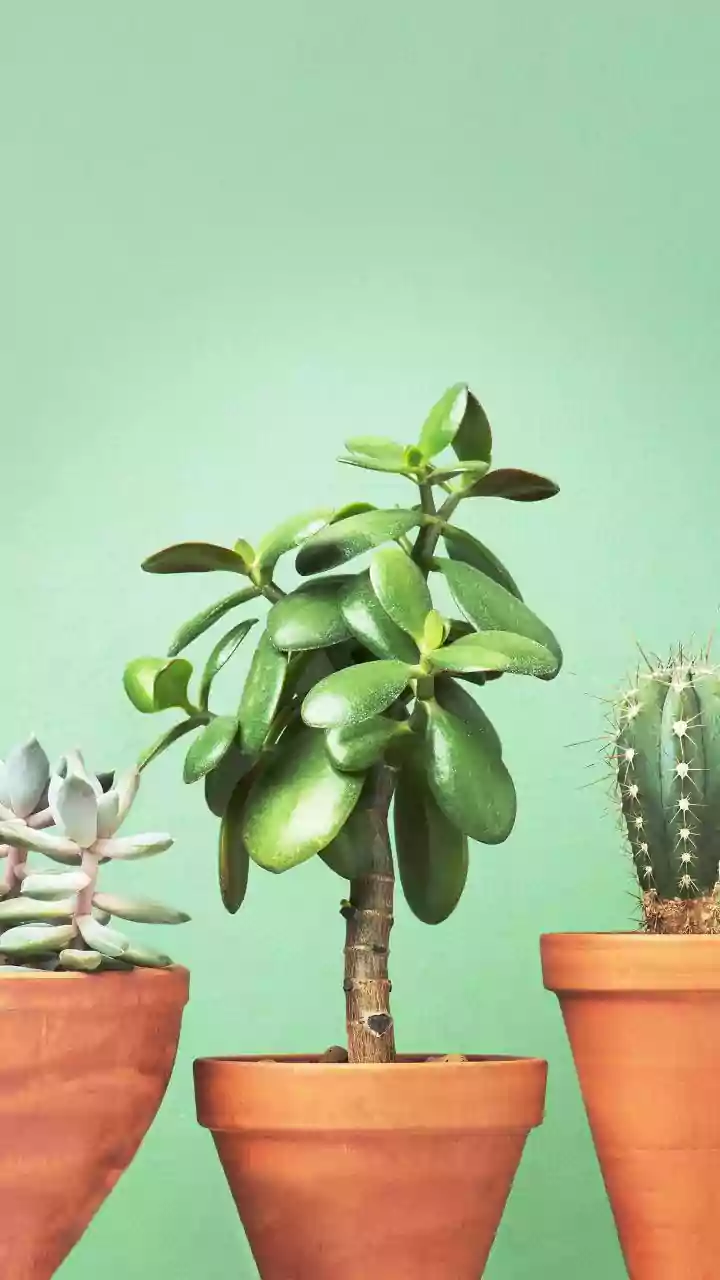
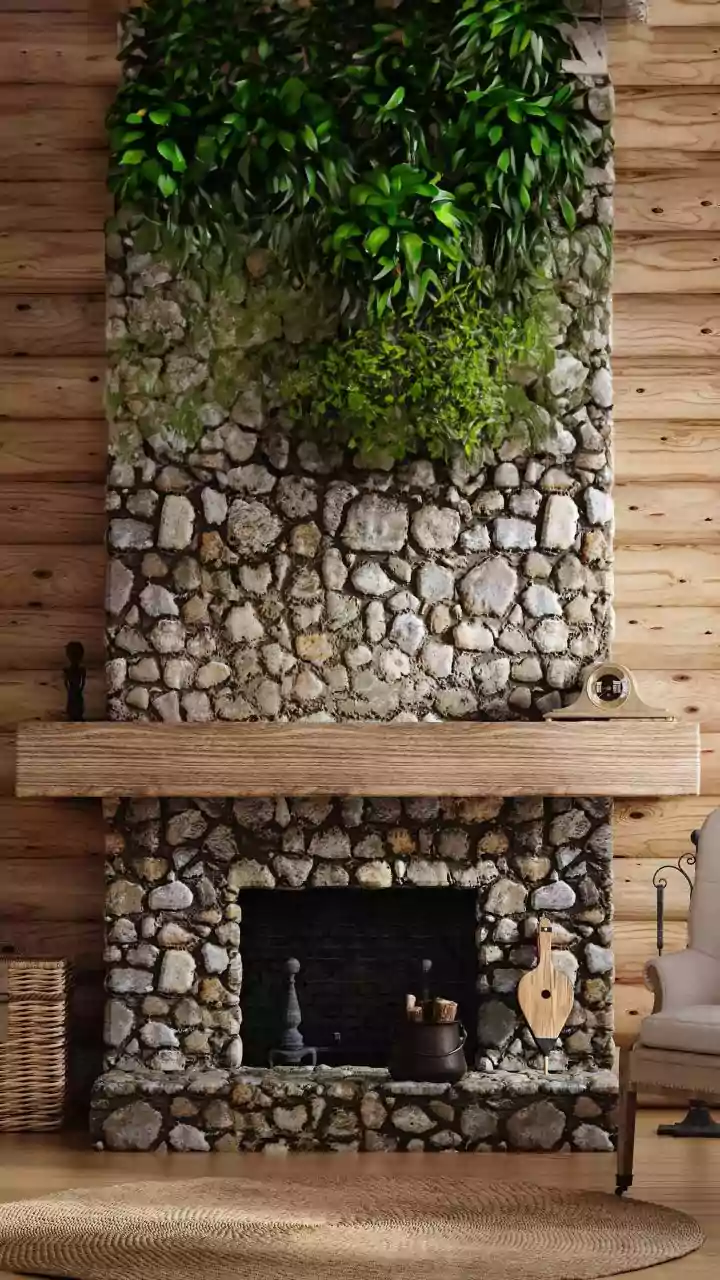
So, what’s driving this change? A huge part of it is a global-yet-local focus on wellness. In India’s bustling, often chaotic megacities, the home has become the last line of defense against sensory overload. The pandemic accelerated this, transforming living spaces into cocoons where comfort, calm, and mental health are paramount. Natural materials inherently serve this purpose. The visual warmth of wood, the earthy coolness of a terracotta tile, and the soft texture of a linen curtain all work to soothe the nervous system. This is biophilic design—the practice of connecting people with nature indoors—gone mainstream. It’s a response to a life lived increasingly online and in concrete jungles. The desire for a home that feels alive, breathable, and grounding is a powerful motivator, turning design choices into acts of self-care.
A Return to Earth and Weave
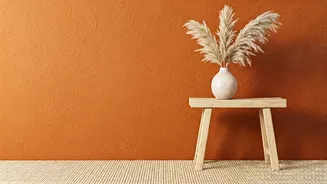
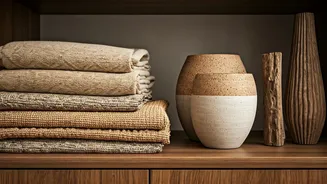
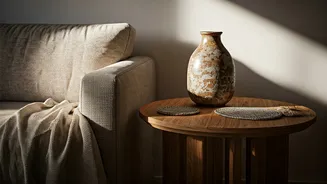
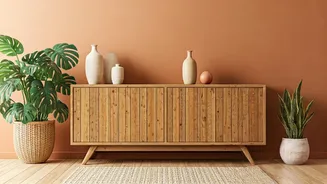
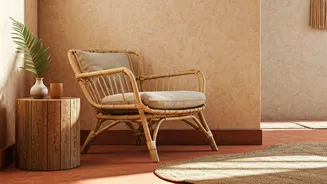
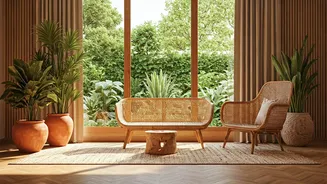
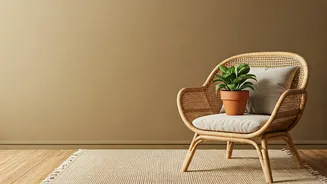
The material palette of this new Indian home is earthy and elemental. Terracotta and clay, once relegated to rustic pottery, are reappearing as floor tiles, wall cladding, and statement light fixtures. Lime plaster, or ‘chuna,’ an ancient Indian building material, is being celebrated for its soft, breathable finish that develops a beautiful patina over time. These materials connect a space to a pre-industrial past while feeling completely contemporary. Alongside these earthy elements, there is a massive revival of woven textures. Rattan, cane, and jute—materials that are lightweight, sustainable, and have long been part of Indian craft traditions—are being fashioned into elegant furniture, screens, and rugs. They introduce a layer of handcrafted artistry and visual lightness that balances the solidity of wood and clay. This is a far cry from the heavy, formal furniture that once dominated living rooms.
Celebrating Indian Craftsmanship
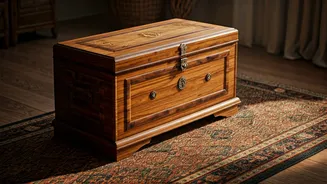
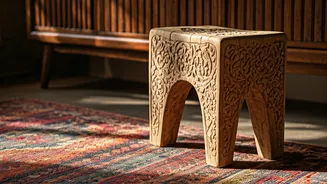
This trend is also a powerful vote of confidence in India’s own artisanal heritage. By choosing locally sourced wood, hand-thrown pottery, or handloom textiles like khadi and cotton, consumers are supporting local economies and helping to preserve centuries-old skills. For a long time, ‘imported’ was a byword for quality. Now, a new generation of architects and designers is championing the idea of ‘local’ as the ultimate luxury. They are working directly with artisan clusters to create bespoke pieces that tell a story. A hand-knotted rug from Rajasthan or a block-printed fabric from Gujarat is not just a decorative object; it’s a piece of cultural history. This movement re-centers Indian identity in design, creating spaces that feel authentic and uniquely tied to their geography, rather than copies of trends from Milan or New York.