



It's More Than Just a Plastic Bag
Let’s get one thing straight: a Ziploc bag is not a waterproof pouch. While a sandwich bag might offer a moment of protection in a light drizzle, it’s no match for a true downpour or accidental submersion. True waterproof pouches are engineered for this
exact scenario. They are typically made from durable materials like thick PVC (polyvinyl chloride) or more eco-friendly TPU (thermoplastic polyurethane). More importantly, they feature robust sealing mechanisms—like triple-lock zip seals, Velcro flaps, or roll-top closures—designed to create an airtight and watertight barrier. This is the difference between hoping your phone survives the day and knowing it will.
Find the Right Pouch for the Job
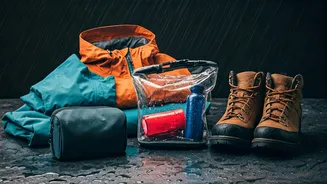
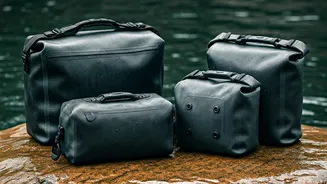
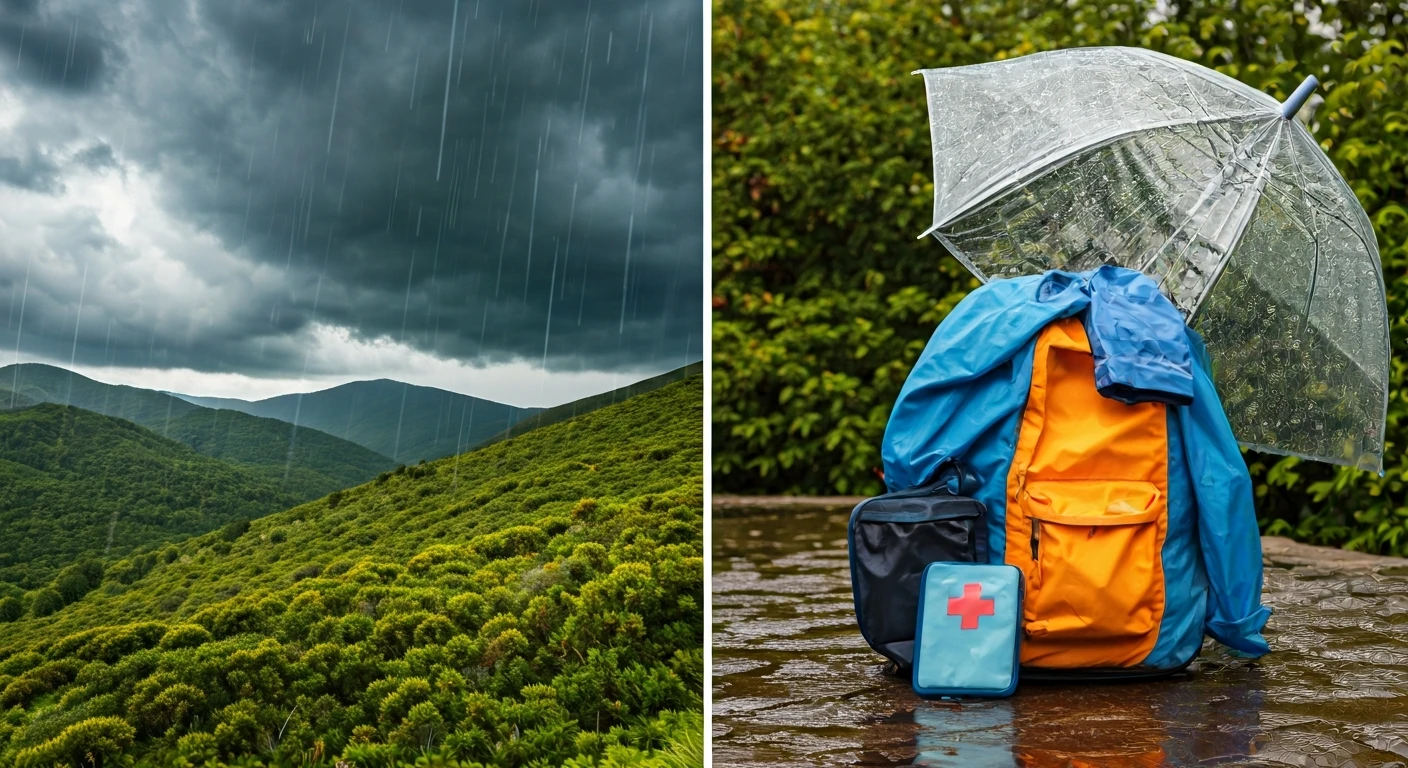
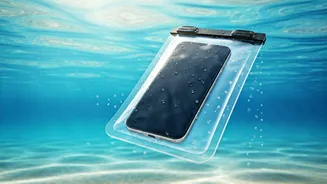
Not all waterproof bags are created equal, and different situations call for different gear. The most common and essential is the small, transparent phone pouch. These often come with a lanyard, allowing you to keep your phone, cash, and a credit card securely around your neck, accessible for photos but safe from the elements. For slightly more gear, a waterproof waist pack or “fanny pack” provides hands-free convenience for a phone, power bank, and travel documents. For travelers carrying more—like a day’s change of clothes, a book, or camera gear—a roll-top dry bag (ranging from 5 to 30 liters) is the gold standard. You can toss it in a larger backpack or carry it on its own as a simple, effective shield against the wet.
Decode the Waterproof Rating (IP Code)
When you're shopping, you’ll likely see ratings like “IPX7” or “IPX8” on the packaging. This isn't just marketing jargon; it's the Ingress Protection (IP) code, a universal standard for how resistant a device is to solids and liquids. The “X” means it hasn’t been rated for dust, but the final number is key for water. An IPX7 rating means the item can be submerged in up to 1 meter of water for 30 minutes. An IPX8 rating is even better, signifying protection in water deeper than 1 meter for a duration specified by the manufacturer. For most travel scenarios—getting caught in a storm, a wet boat ride, or an accidental drop into a puddle—a pouch with an IPX8 rating offers the ultimate peace of mind.
Protect Your 'Big Three': Phone, Passport, Money
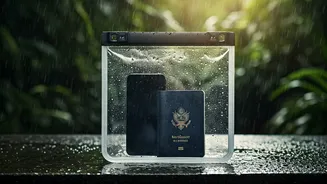
If you protect nothing else, protect your holy trinity of travel essentials: your phone, your passport, and your money (cash and cards). A water-damaged phone can sever your connection to maps, booking confirmations, and emergency contacts. A warped or ink-smeared passport can cause major headaches at immigration checkpoints. And of course, wet cash is a nuisance, while damaged cards can fail when you need them most. A small, wearable waterproof pouch is the perfect, low-cost insurance policy for these three items. It keeps them consolidated, secure on your person, and completely shielded from moisture, so you can navigate a rain-soaked street market or a boat tour with confidence.
Think in Layers: The Dry Bag System
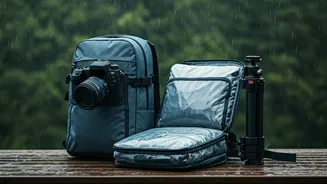
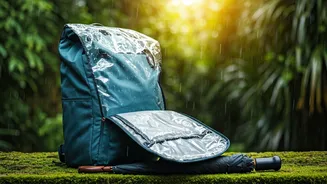
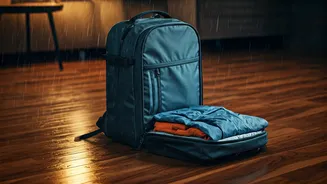
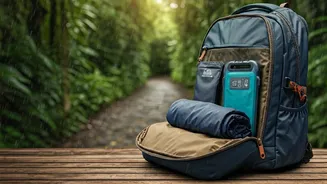
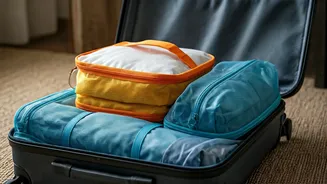
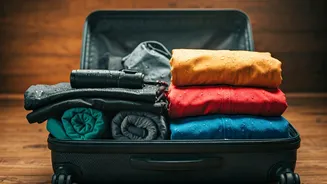
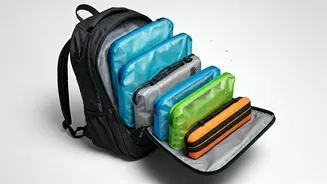
For backpackers and serious adventurers, one pouch is just the beginning. The best strategy is to think in layers by creating a full dry-bag system. Use smaller pouches for your immediate essentials, but also pack a larger 10- or 20-liter roll-top dry bag inside your main backpack. This larger bag becomes a fortress for your electronics, a spare set of dry clothes, and anything else that absolutely cannot get wet. This “bag-within-a-bag” method provides double protection and compartmentalizes your gear, so even if your main backpack gets soaked through, your most critical items remain perfectly dry and ready for use. It turns a potential trip-ruining disaster into a minor inconvenience.
Pro-Tips for Pouch Perfection
Before you trust your valuables to a new pouch, do a simple test at home. Seal a dry paper towel inside, submerge the pouch in a sink or bucket for a few minutes, and then check the towel. If it’s dry, you’re good to go. When using the pouch in humid climates, be aware of condensation. A small silica gel packet (the kind that comes in new shoe boxes) tossed inside can help absorb any ambient moisture. Finally, most modern phone pouches made of TPU allow you to use your touchscreen through the plastic, but facial recognition may not work. Be sure to have your passcode ready for quick unlocks.