




So, What Exactly Are Functional Meals?
Let’s get one thing straight: 'functional meal' isn't a branded diet plan or a pre-packaged box service. At its core, it’s a simple, age-old concept: eating foods that provide health benefits beyond basic nutrition. Think of it as eating with intention.
A functional food is any ingredient that has a potentially positive effect on health beyond simple sustenance. This can include foods that support gut health, reduce inflammation, boost brain function, or lower the risk of certain diseases. A functional *meal*, therefore, is simply a plate that combines these ingredients into a satisfying and beneficial whole. It’s not about magical 'superfoods' that promise to cure everything, but rather about the synergistic effect of whole, nutrient-dense ingredients working together. It’s the difference between just eating to feel full and eating to feel good, both now and in the long run.
The Rise of the 'Anti-Gimmick' Approach
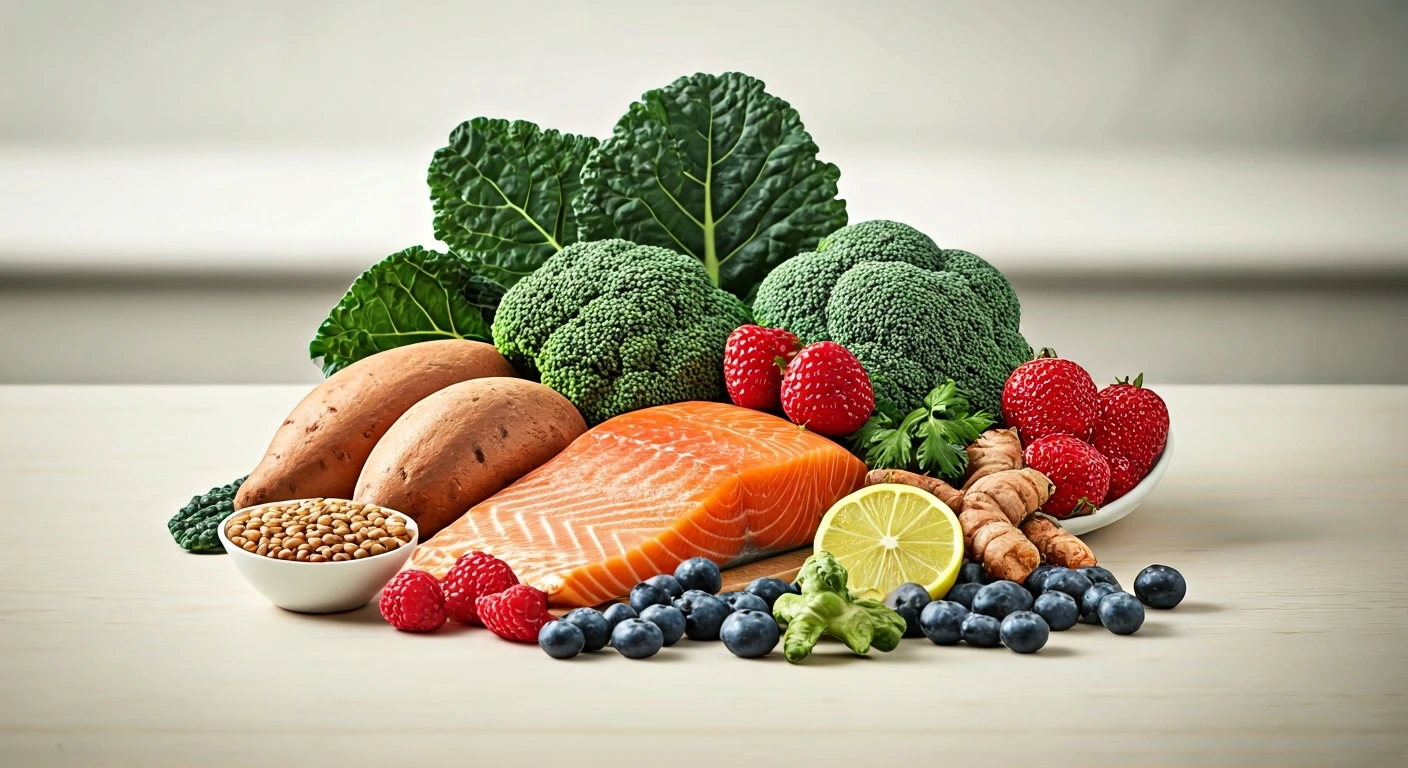
The appeal of functional meals lies in what they are not. They are not a 10-day cleanse, a restrictive list of 'forbidden' foods, or a convoluted system requiring an app and a monthly subscription. This trend is a direct and quiet rebellion against the high-cost, low-evidence gimmicks that have come to define so much of the modern wellness industry. Consumers are growing tired of being sold quick fixes that don’t work or, worse, promote disordered eating patterns. There's a palpable exhaustion with the cycle of hype and disappointment. Functional eating feels like an antidote. It’s accessible, grounded in common sense, and supported by decades of nutritional science. It doesn't ask you to buy a special powder or eliminate entire food groups. It just asks you to think a little more about the power of the broccoli, salmon, and blueberries you were probably going to eat anyway.
From Ingredients to a Balanced Plate
The key is to move beyond idolizing single ingredients. While kale, turmeric, and chia seeds have all had their moment in the spotlight, no single food can transform your health. A truly functional meal is a team effort. Instead of sprinkling 'superfood' dust on a pizza, it's about building a plate where every component serves a purpose.
Consider these examples:
* **For Brain Health & Focus:** A lunch of baked salmon (rich in omega-3 fatty acids), a side of leafy greens like spinach (packed with folate and antioxidants), and a handful of walnuts (more omega-3s and vitamin E).
* **For Gut Health & Digestion:** A breakfast of Greek yogurt or kefir (probiotics), topped with berries (fiber and prebiotics) and a sprinkle of flaxseeds (more fiber).
* **For Fighting Inflammation:** A dinner of lentil soup spiced with turmeric and ginger (both potent anti-inflammatories), served with a side of steamed broccoli (sulforaphane).
Notice a pattern? These aren't exotic or complicated meals. They are balanced, delicious, and built from ingredients you can find in any grocery store.
It's Not a Diet, It's Dinner
Perhaps the most appealing aspect of the functional meal philosophy is its emphasis on abundance over restriction. It’s a 'more of' approach, not a 'less of' one. Instead of focusing on cutting calories or carbs, you focus on adding color, fiber, and nutrients. This reframing is psychologically powerful. It shifts the goal from deprivation and weight loss to nourishment and well-being, making it a far more sustainable and enjoyable way to eat for life. When you start asking, 'What can I add to this meal to make it more beneficial?' instead of 'What do I need to remove?', your entire relationship with food can change for the better. It becomes a source of empowerment, not anxiety. This is the true 'anti-gimmick'—a return to food as both fuel and medicine, without the pseudoscience and hefty price tag.