




A Fortress That Breathes
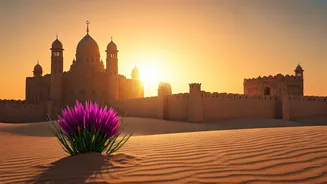
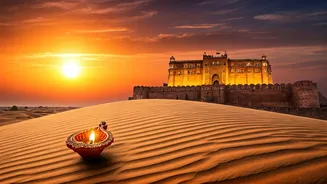
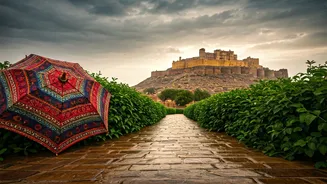
Most fortresses are museums, sterile monuments to a time long past. Jaisalmer Fort is different. It’s one of the few “living forts” in the world, a bustling, breathing city in its own right, contained within massive sandstone walls. A quarter of the old
city’s population still resides here, their lives unfolding in a labyrinth of narrow, winding lanes. Walking through its gates is like stepping into another century. The stone underfoot is worn smooth by generations of footsteps, and the air is filled with the scent of incense, frying samosas, and desert dust. Homes, guesthouses, temples, and tiny shops are carved directly into the ancient structure. You’ll find yourself sharing the path with wandering cows, schoolchildren in crisp uniforms, and women in vibrantly colored saris, their silver jewelry jingling with every step. The romance here is one of immersion; it’s about getting lost on purpose and discovering a hidden courtyard or a rooftop café with a staggering view of the city below.
Echoes of Silk Road Wealth
Beyond the main fort, the romance of Jaisalmer is written in stone. The city’s golden-yellow sandstone is soft enough to be carved with the intricacy of lace, a craft best displayed in its magnificent *havelis*. These are the historic mansions of wealthy merchants from the 18th and 19th centuries, men who made their fortunes on the camel caravan routes of the Silk Road. The most famous, like Patwon Ki Haveli and Nathmal Ki Haveli, aren't single buildings but clusters of breathtakingly ornate homes. Their facades are a riot of detailed latticework, projecting balconies, and detailed carvings depicting everything from floral motifs to daily life. Peering up at them from the narrow streets, you can almost hear the echoes of a bygone era of opulence and adventure. Exploring their preserved interiors, with their colored glass windows and cool, quiet courtyards, feels like uncovering a secret history of love, trade, and artistry.
An Ocean of Sand
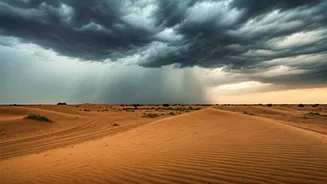
As captivating as the city is, its soul is tied to the great Thar Desert that surrounds it. This is where the second act of Jaisalmer’s romance begins. In the late afternoon, you leave the city’s hum behind for the profound silence of the dunes. The classic way to experience this is by camel, a slow, swaying journey that forces you to sync with the desert’s unhurried pace. As your guide leads you deeper into the landscape, the world simplifies. There is only the rhythmic plodding of the camel’s feet, the vastness of the sky, and the shifting shapes of the sand. The Sam Sand Dunes are a popular spot, where the desert unfolds in cinematic waves. Watching the sun dip below the horizon from atop a dune is a quintessential Jaisalmer experience. The sky explodes in shades of orange, pink, and purple, casting long, dramatic shadows and turning the sand from gold to a soft, dusky rose.
Dinner Under a Billion Stars
The desert evening culminates in an experience of simple, profound beauty. Many visitors opt for an overnight stay at a desert camp, ranging from rustic tents to more luxurious glamping setups. As darkness falls, a bonfire is lit, casting a warm, flickering glow. The entertainment isn't a flashy production but the heartfelt performance of local Manganiyar folk musicians, their songs telling ancient tales of love and longing. Dinner is often a simple but delicious Rajasthani meal cooked over the open fire. But the true headliner is the sky. With no city lights to compete, the cosmos reveals itself in breathtaking detail. The sheer number of stars is overwhelming, a glittering canopy that feels close enough to touch. It’s in this immense quiet, sharing a meal and listening to timeless music under a blanket of stars, that the romance of Jaisalmer becomes truly unforgettable—a connection not just with a person, but with a place and a pace of life that feels eternal.