



A Kingdom of Tigers and Ruins
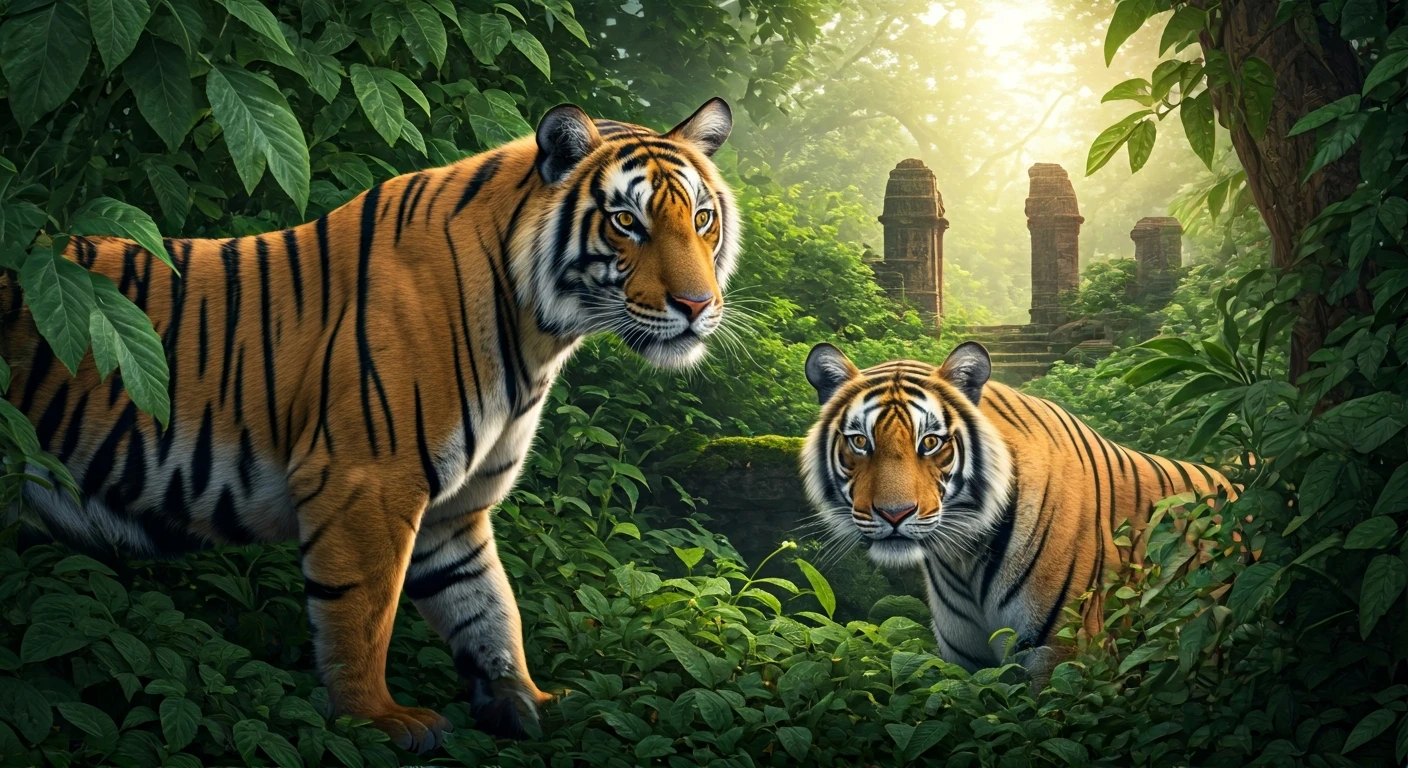
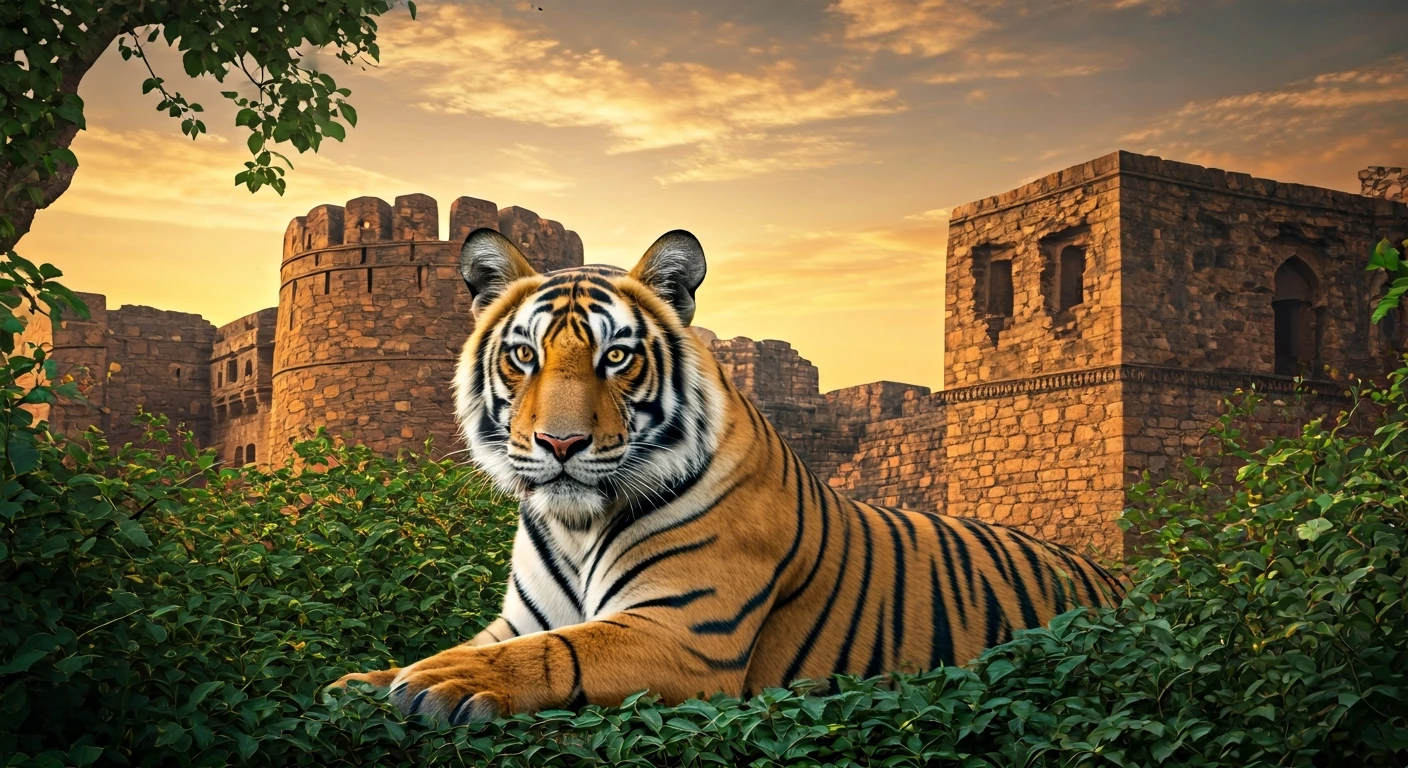
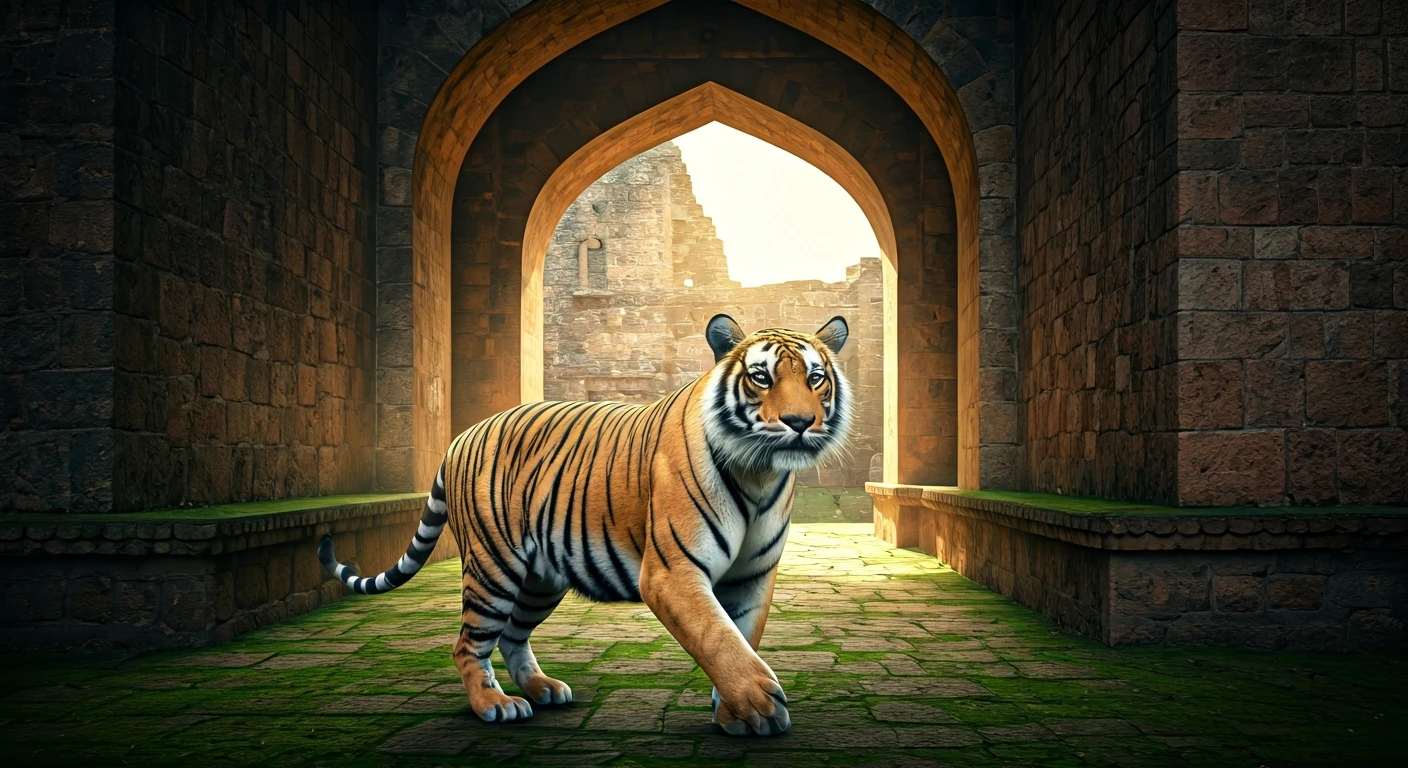
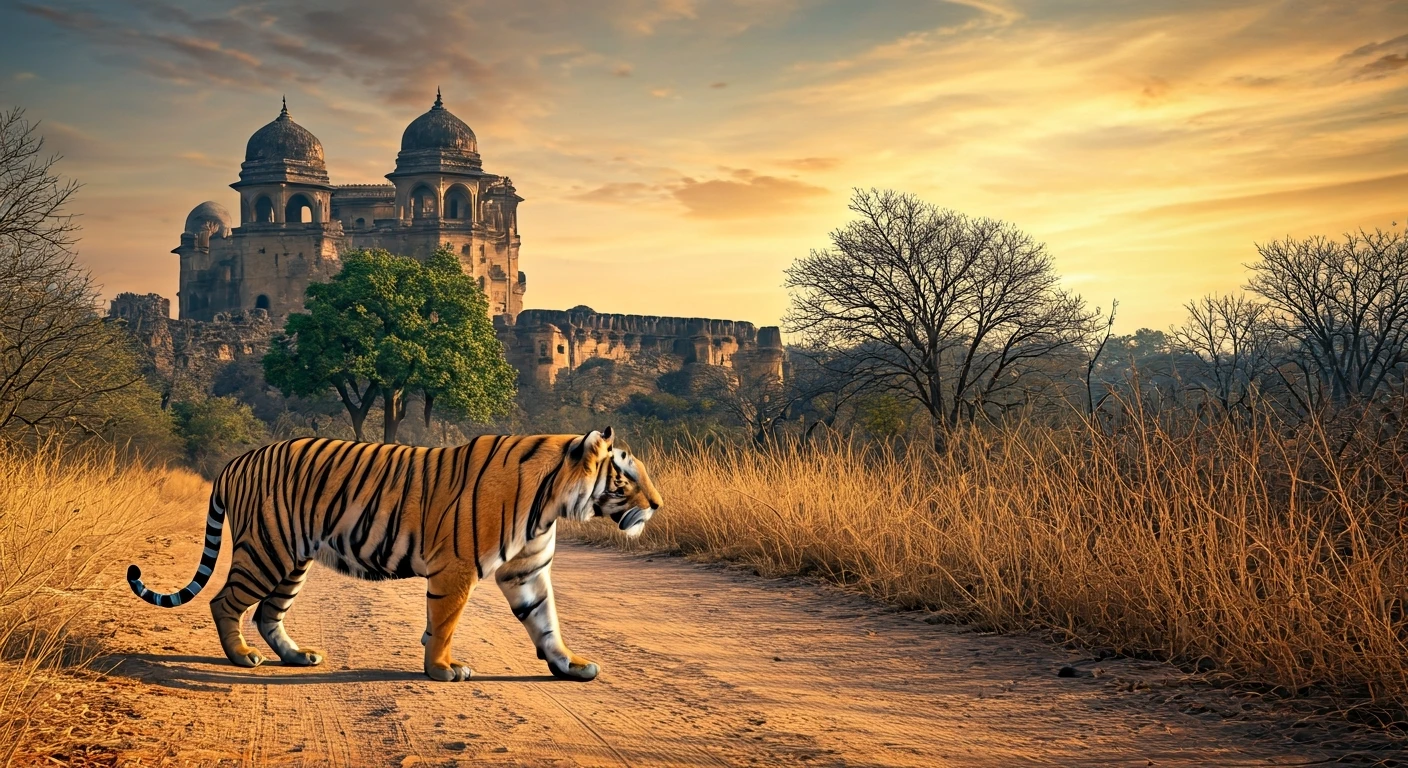
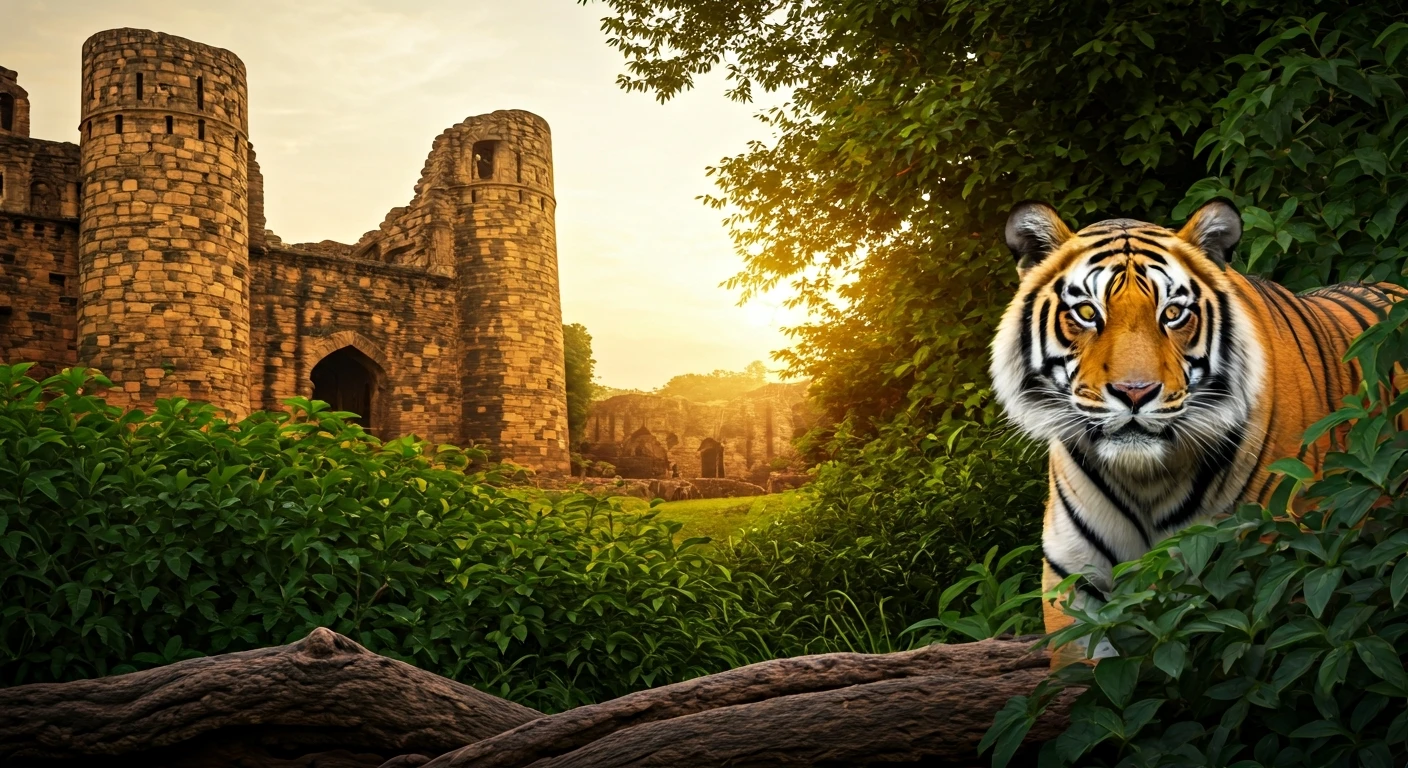
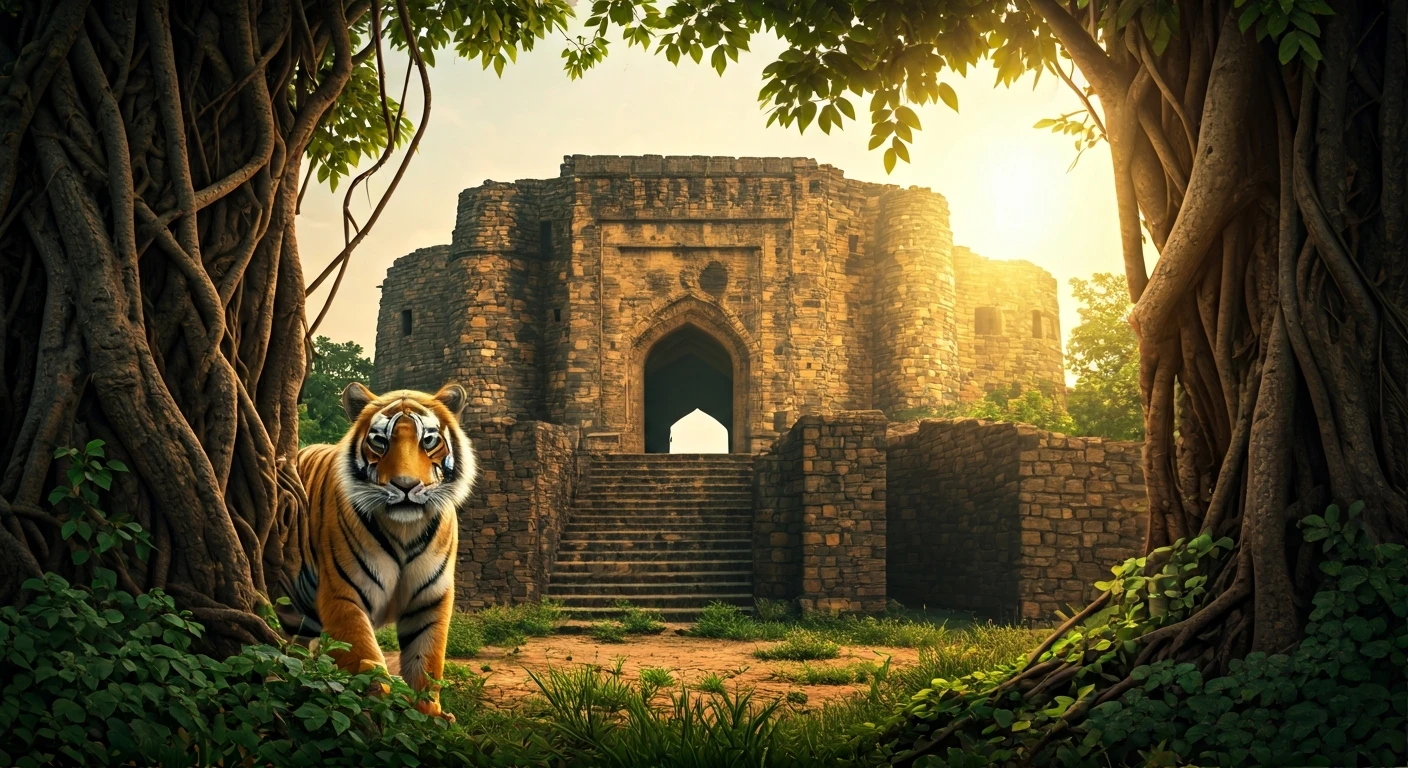
Forget the endless grasslands. The first thing that strikes you about Ranthambore is its dramatic, storybook setting. Located in Rajasthan, this former private hunting ground for maharajas is dominated by a 1,000-year-old fort that looms over the landscape.
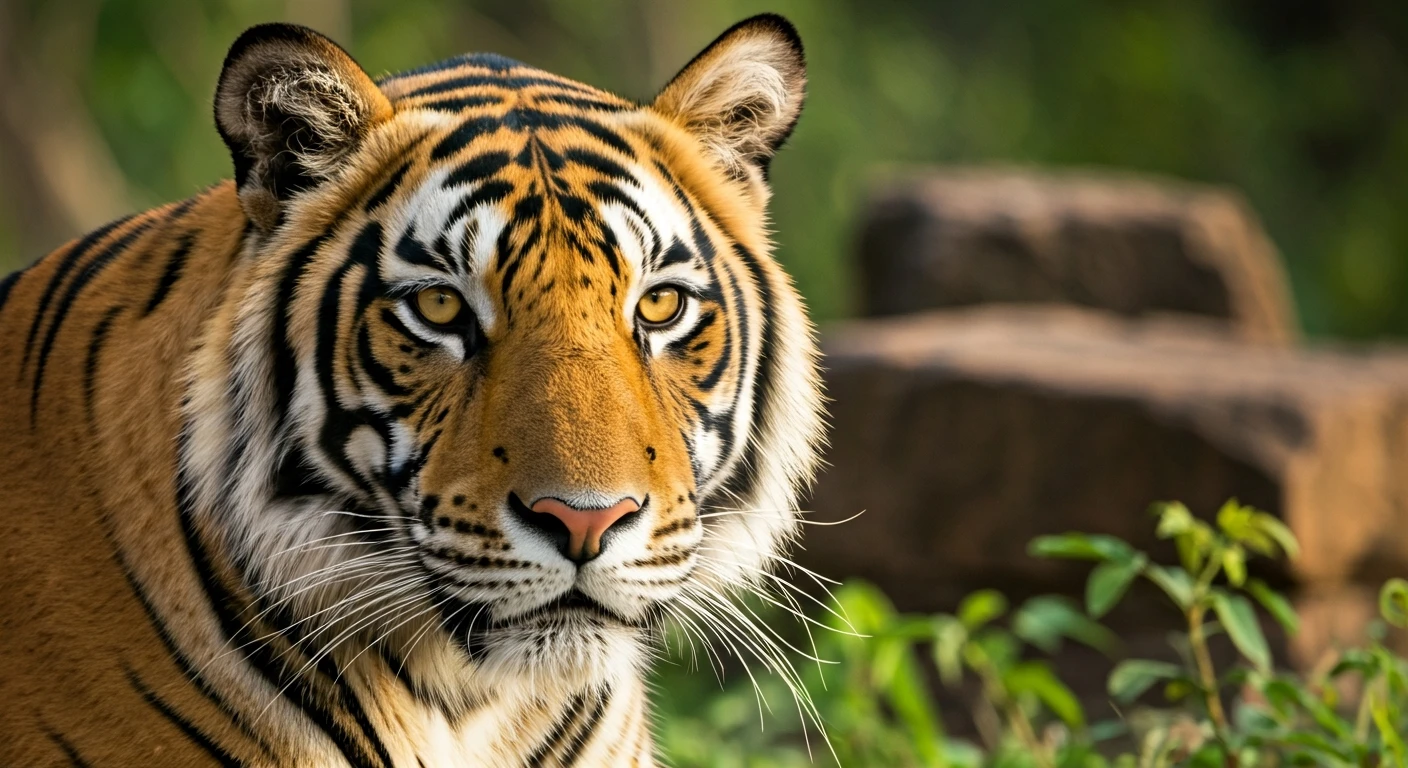
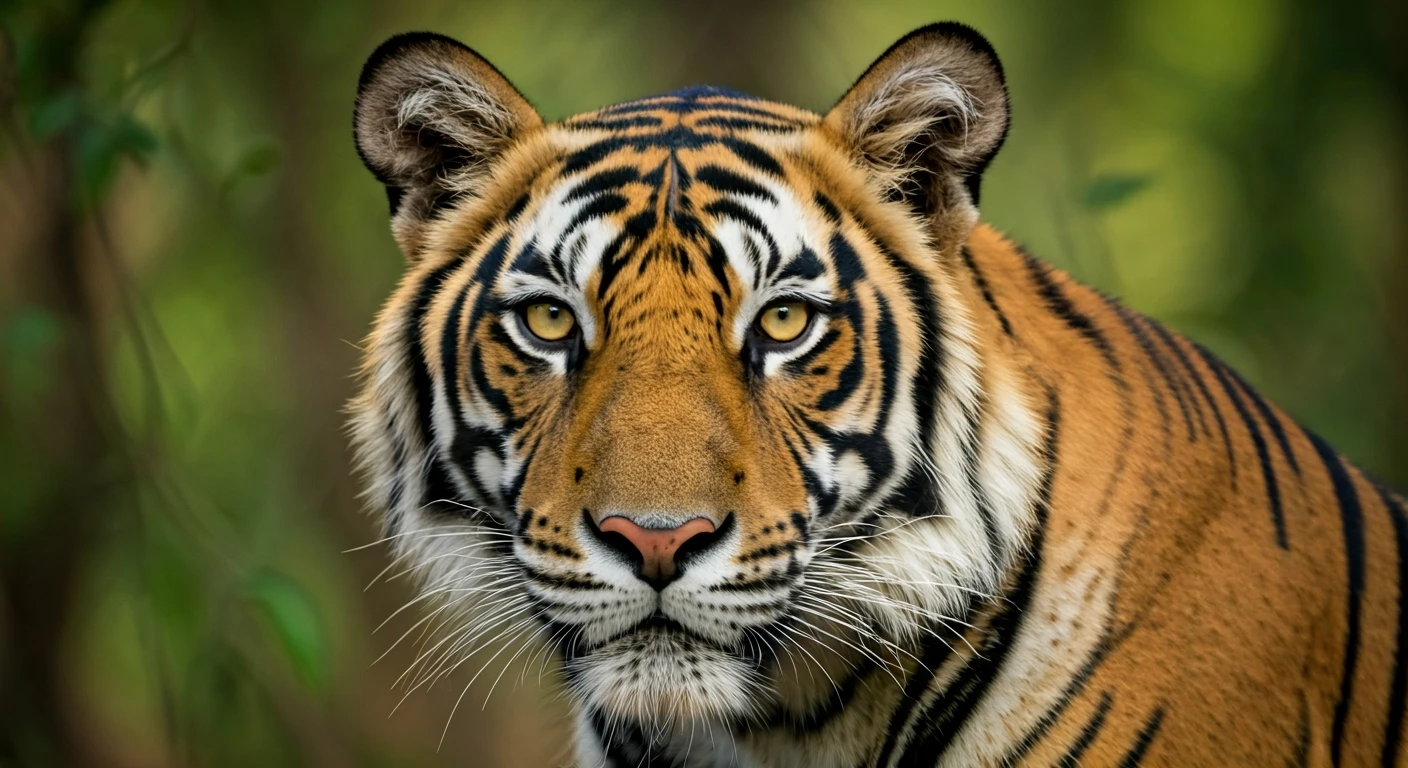
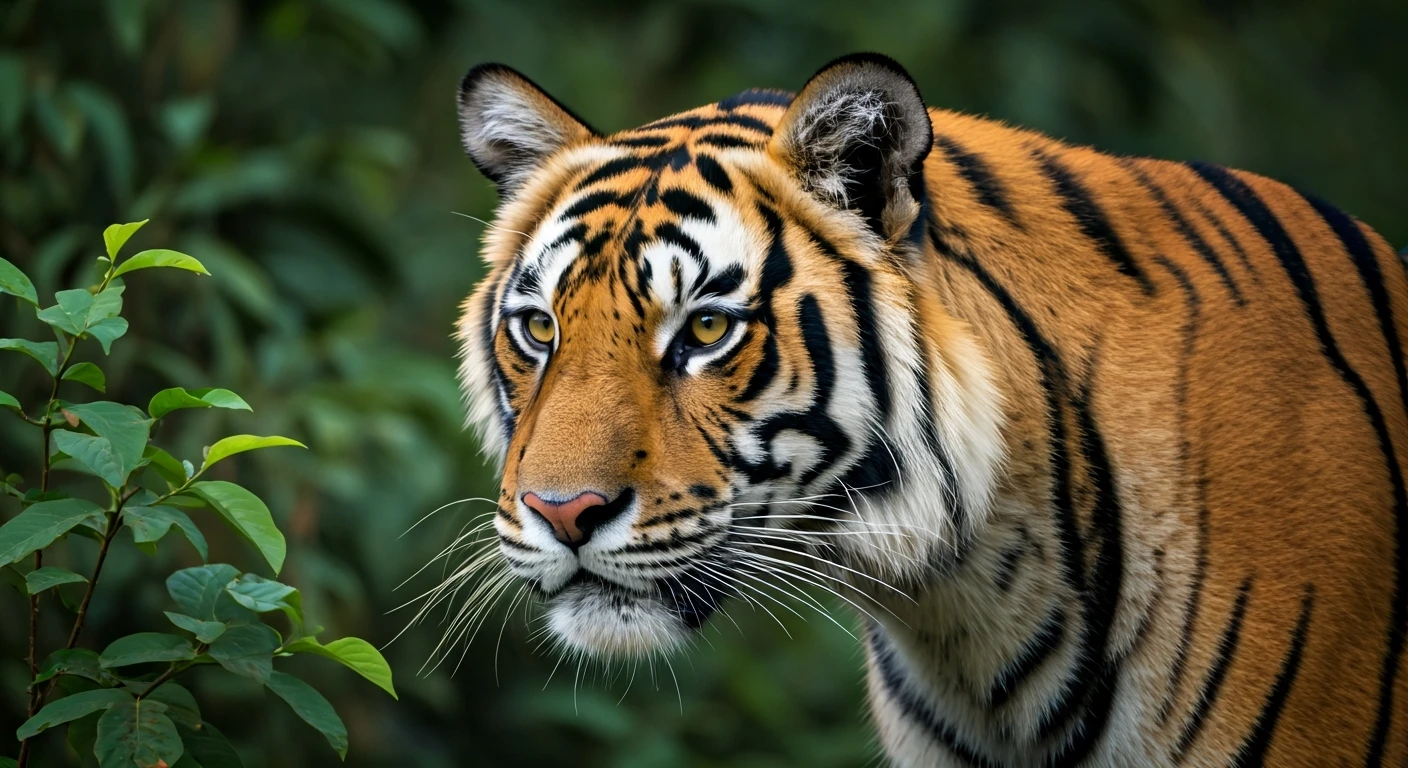
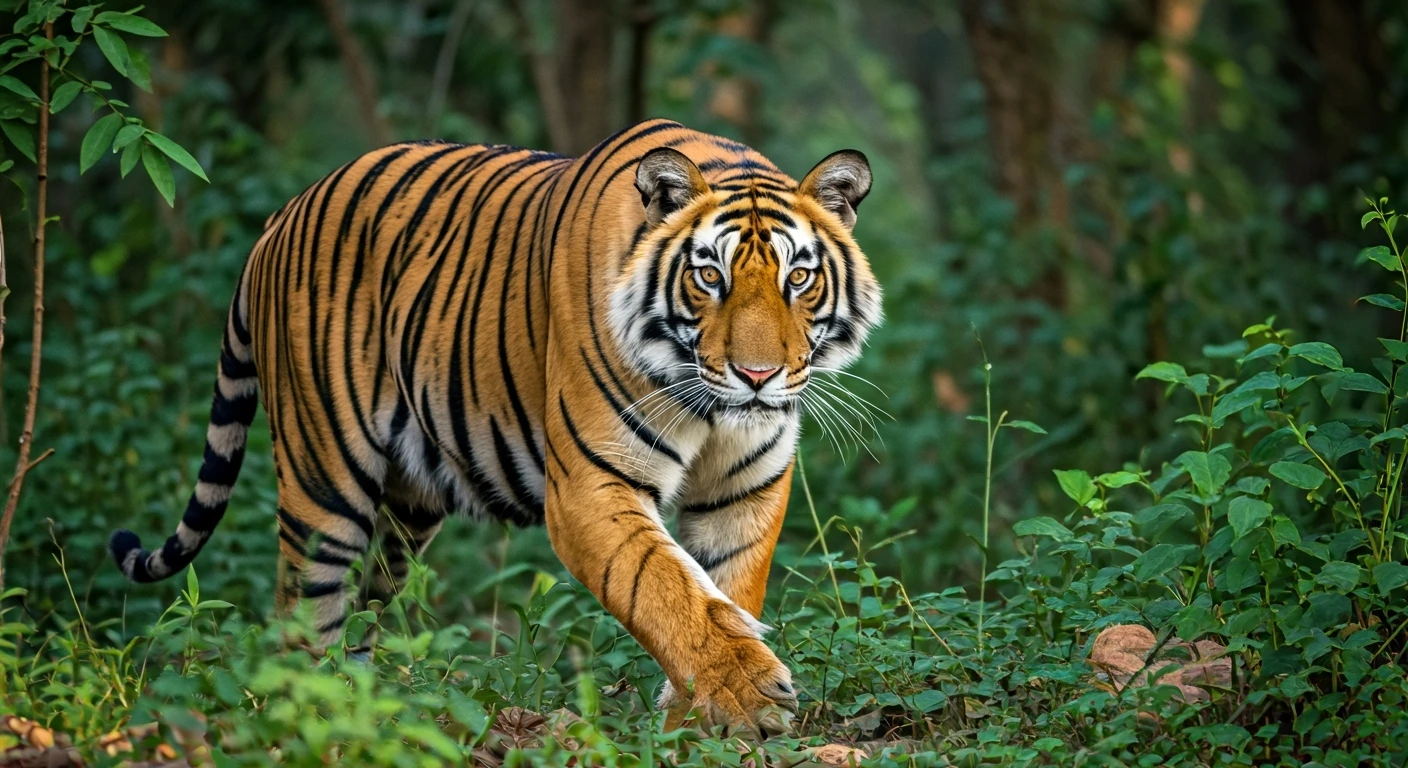
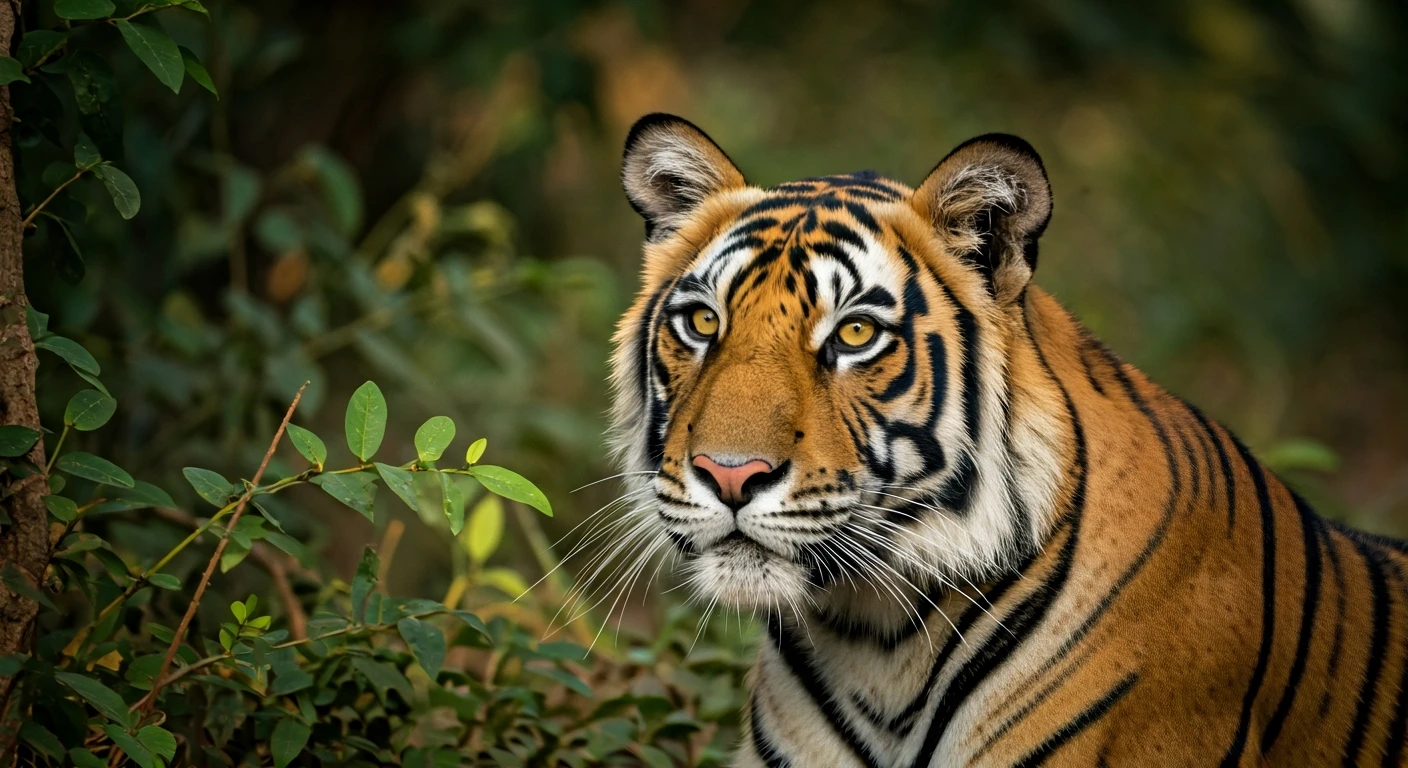
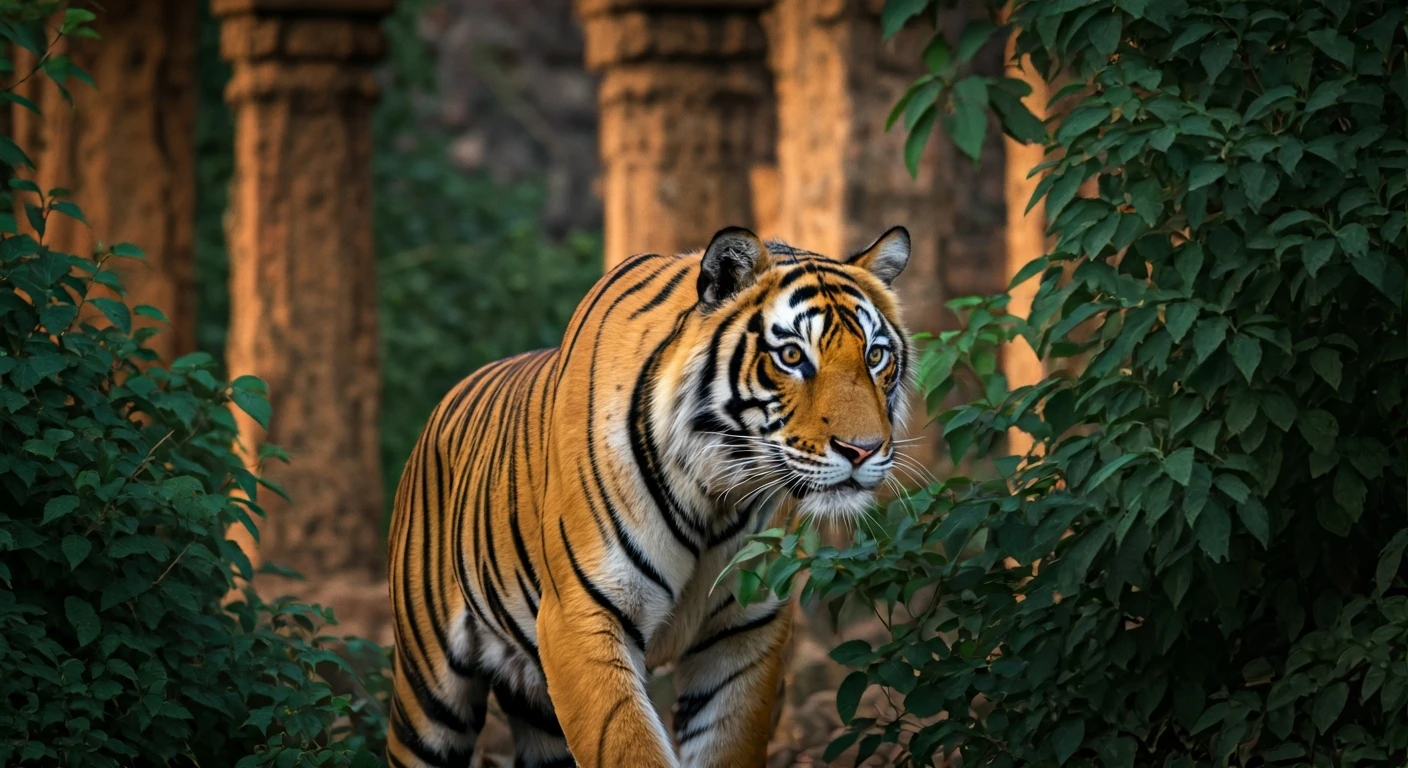
Ancient temples, crumbling pavilions, and serene lakes are scattered throughout the rugged, deciduous forest. This isn't just a park; it's a living museum where nature has reclaimed a kingdom. The undisputed ruler of this domain is the Bengal tiger. Ranthambore is world-renowned for being one of the best places to see these magnificent predators in their natural habitat. Thanks to decades of conservation, the tigers here are less nocturnal and more accustomed to the presence of safari vehicles, offering visitors a rare chance for daytime sightings.
The Thrill of the Chase
An African safari often involves scanning vast, open plains. The Ranthambore experience is more intimate and suspenseful. The search for a tiger is a true hunt, a jungle detective story played out in real-time. You'll ride in an open-air jeep, called a 'Gypsy,' with a local guide and driver who are masters of interpreting the forest's signals. The entire ecosystem alerts you to a tiger’s presence. A sudden alarm call from a sambar deer, the panicked chatter of langur monkeys from the treetops, or fresh pugmarks in the dusty track—these are the clues. The anticipation builds with every turn, culminating in the heart-stopping moment when a flash of orange and black emerges from the brush. It’s an adrenaline rush that sweeping savanna vistas, for all their beauty, can’t quite replicate.
Beyond the Stripes: A Rich Supporting Cast
While the tiger is the star, Ranthambore’s biodiversity is a major part of its appeal. The park is home to a rich cast of supporting characters. Stealthy leopards patrol the rocky outcrops, often harder to spot than tigers but just as rewarding. Shaggy-coated sloth bears shuffle through the undergrowth searching for termites, and massive marsh crocodiles bask on the banks of the park’s lakes. Herds of spotted and sambar deer are everywhere, providing the essential prey base for the big cats. For birders, Ranthambore is a paradise, with over 300 species, from the vibrant Indian peafowl (the national bird) to crested serpent eagles and painted storks. It may not offer the sheer volume of mammals seen on an African game drive, but the diversity is captivating.
Why Ranthambore Is Roaring Back
So why is Ranthambore suddenly dominating the conversation? The park never truly left, but its re-emergence is fueled by a perfect storm of travel trends. After years of restricted movement, American travelers are seeking more than just a vacation; they want an adventure with a deep sense of place. Ranthambore delivers this by blending wildlife with profound cultural and historical context. Furthermore, successful conservation efforts have made tiger sightings more reliable than ever. This comeback is also driven by travelers who may have already experienced the African 'Big Five' and are now asking, 'What’s next?' They are looking for a new kind of wildlife pilgrimage, one that feels more exotic, more focused, and perhaps a little more raw. Ranthambore is the answer.