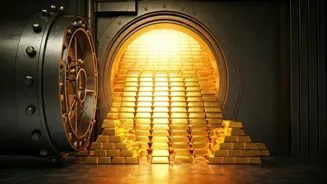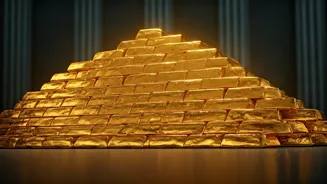






First, What Does 244 Tonnes Look Like?
Let’s get a sense of scale, because numbers like this can feel abstract. A single metric tonne of gold is about the weight of a small car. So, 244 tonnes is like stacking 244 Honda Civics in a vault. At current prices, this single-quarter haul is worth
well over $15 billion. It’s an almost incomprehensibly large amount of physical wealth being moved off the sidelines and into the world’s most secure vaults. This isn’t a handful of billionaires buying a few gold bars; this is a coordinated, strategic shift by some of the world's most powerful financial institutions.
The Buyers' Club: Who's Stacking Bullion?
The primary drivers of this massive buying spree are central banks, especially those in emerging markets. While the specific buyers in any given quarter can be secretive, data from the World Gold Council points to a clear trend. Countries like China, Poland, Turkey, and Singapore have been consistently adding to their reserves. This isn't an American or Western European phenomenon. In fact, it’s the opposite. The biggest buyers are nations looking to diversify their holdings and gain more economic independence. They are systematically converting their foreign currency reserves—mostly held in U.S. dollars—into physical gold.
The 'Why' Behind the Gold Binge
So why are these countries suddenly acting like dragons hoarding treasure? There are three main reasons, and they all intertwine. First is a hedge against uncertainty. With inflation remaining a global concern and economic forecasts looking shaky, gold is the ultimate “safe haven” asset. It holds its value when currencies and stocks might not. Second is geopolitical strategy. After seeing how the U.S. and its allies used the dollar-based financial system to impose powerful sanctions on Russia, many countries are looking to “sanction-proof” their economies. Owning physical gold within your own borders makes you less vulnerable to another country’s financial leverage. You can’t freeze or deplatform a gold bar.
A Quiet Challenge to the Dollar
The third and perhaps most significant reason is de-dollarization. For decades, the U.S. dollar has been the world’s undisputed reserve currency. Global trade is priced in it, and countries hold vast dollar reserves to facilitate that trade. This gives the United States immense economic and political power. By shifting reserves into gold, central banks are slowly, deliberately reducing their reliance on the dollar. This isn’t a dramatic overnight collapse, but a steady, quiet diversification away from a U.S.-centric financial system. Every tonne of gold purchased is a small vote of no-confidence in the long-term stability of the current world order.
So, What Does This Mean for You?
For the average American, this trend might seem distant, but its ripples can eventually reach your wallet. It doesn't mean the dollar is about to become worthless. The U.S. financial system is still the deepest and most liquid in the world. However, this massive gold buying spree is a clear indicator that the world is becoming more multipolar and less reliant on a single superpower. It signals a future where the dollar's global dominance may not be as absolute as it once was. It’s a long-term trend to watch, as a gradual decline in the dollar’s status could eventually impact everything from the cost of imported goods to the interest rates on your mortgage.